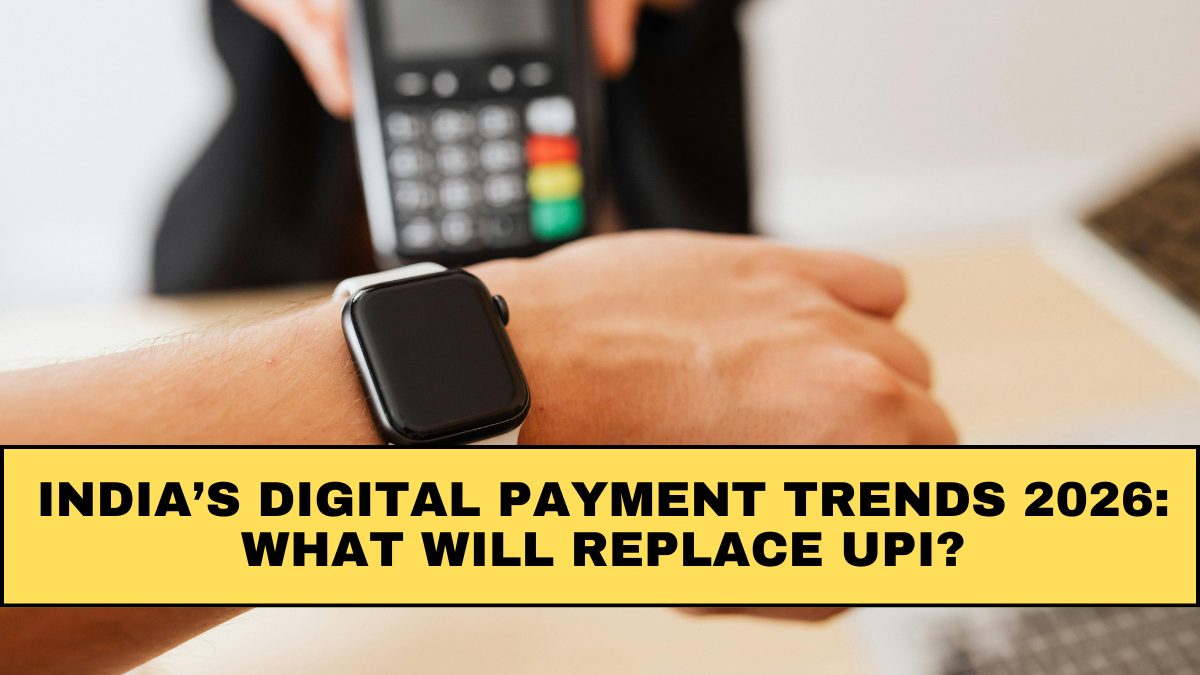
India’s payment ecosystem is rapidly evolving, and Digital Payments India 2026 signals the next stage in the country’s fintech journey. While UPI has dominated the digital payments space for years, innovations in blockchain, AI-powered wallets, and cross-border payment solutions are beginning to reshape the landscape. By 2026, India is expected to explore systems that are faster, more secure, and integrated with global financial networks.
The shift reflects a growing need for seamless, contactless transactions in retail, banking, and e-commerce. Consumers and businesses alike are seeking convenience, lower transaction costs, and enhanced security. The government and private fintech players are actively experimenting with alternative digital payment methods, preparing India for a more advanced financial infrastructure.

Emerging Payment Technologies
Several promising technologies are influencing the future of digital payments in India. Blockchain-based systems offer transparency, security, and fraud prevention, while AI-driven platforms can provide predictive analytics, personalized financial insights, and fraud detection. Mobile wallets and smart cards continue to evolve, combining traditional UPI convenience with advanced features like biometric authentication and international usability.
Cryptocurrencies and stablecoins are also being tested for regulated transactions, offering cross-border settlement solutions. These developments could complement existing UPI frameworks while addressing limitations in speed, scalability, and global integration.
Implications for Consumers and Businesses
For consumers, the next wave of digital payments promises faster checkouts, enhanced security, and broader access to financial services. Merchants may benefit from reduced transaction fees, easier reconciliation, and improved payment analytics. Overall, businesses that adopt these technologies early could gain a competitive edge in an increasingly cashless economy.
Additionally, financial inclusion may improve as new digital solutions enable secure access for rural populations and underbanked communities. This aligns with India’s broader goal of universal digital financial access by 2026.
Challenges and Future Outlook
Despite advancements, challenges remain. Regulatory frameworks, cybersecurity threats, and infrastructure limitations must be addressed to ensure smooth adoption. Education and awareness campaigns are also essential to encourage users to trust and utilize new payment technologies.
The coming years will likely see hybrid systems where UPI coexists with emerging fintech solutions, gradually expanding India’s digital payment ecosystem. By embracing innovation responsibly, India can position itself as a global leader in fintech adoption.
Conclusion
Digital Payments India 2026 points to a future beyond UPI, characterized by faster, safer, and globally integrated payment systems. Innovations in blockchain, AI, and digital wallets will redefine how Indians transact, offering convenience, security, and financial inclusion. Consumers, businesses, and regulators all play a crucial role in shaping this evolving fintech landscape.
FAQs
Will UPI be completely replaced by 2026?
UPI is likely to coexist with new digital payment systems, gradually integrating with emerging technologies.
What technologies are driving future digital payments in India?
Blockchain, AI, smart wallets, biometrics, and regulated cryptocurrencies are key drivers.
How will new systems benefit consumers?
Faster transactions, enhanced security, global usability, and personalized financial insights.
Will businesses face challenges adopting these systems?
Yes, challenges include cybersecurity, infrastructure upgrades, and regulatory compliance.
Can digital payments improve financial inclusion?
Yes, new solutions can provide secure access to underbanked and rural populations, promoting inclusion.