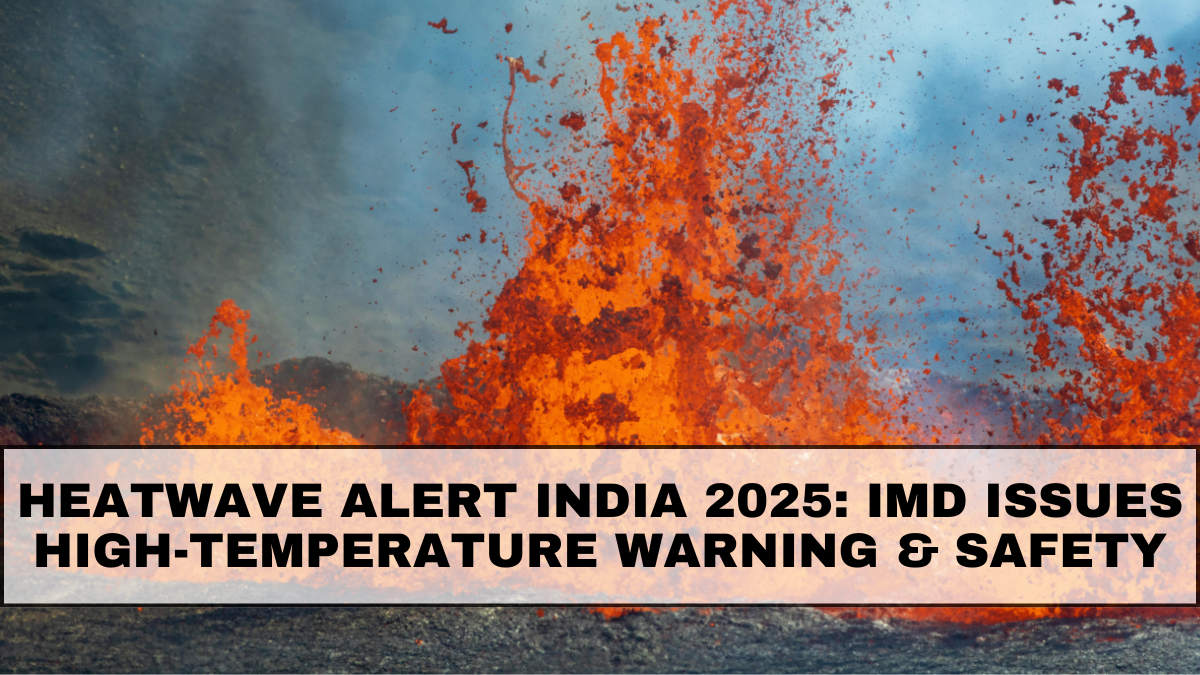
The Heatwave Alert India issued by the India Meteorological Department (IMD) has put several regions on high alert as temperatures climb significantly across the country. In 2025, the rise in temperature has impacted daily life, urban mobility, water demand, and health. With back-to-back alerts being issued for major cities and vulnerable districts, the Heatwave Alert India update has become essential for residents, travelers, and outdoor workers.
The latest temperature update highlights unusually high maximum temperatures in northern, central, and eastern states. IMD’s warnings help people prepare for extreme heat conditions through timely safety guidelines, hydration reminders, and exposure management. As cities continue to struggle with rising heat intensity, understanding the impact and precautions becomes crucial.
IMD Heatwave Alert India: What the Latest Warning Says
The IMD alert under the Heatwave Alert India update warns that many regions will continue to experience high temperatures due to dry winds, low humidity, and clear skies that trap heat. Cities in Rajasthan, Gujarat, Uttar Pradesh, Maharashtra, and parts of Delhi NCR are seeing maximum temperatures rise above seasonal norms.
The temperature rise is not uniform across the country, with coastal regions experiencing comparatively lower heat levels due to sea breeze influence. However, IMD advisories emphasize that prolonged exposure to high temperatures can cause heat exhaustion, dehydration, and heatstroke. The IMD alert also recommends that citizens avoid outdoor activities during peak afternoon hours and follow basic preventive measures.
City-Wise Temperature Update Under Heatwave Alert India
The temperature update shared by IMD under Heatwave Alert India highlights several cities crossing alarming levels. Many regions in north and northwest India have recorded extreme daytime temperatures, resulting in multiple warnings being issued.
Some of the major city-wise temperature trends include:
-
Delhi NCR experiencing high temperatures with hot winds
-
Jaipur, Jodhpur, and Bikaner crossing severe heatwave thresholds
-
Ahmedabad and Gandhinagar showing persistent high-temperature patterns
-
Nagpur and Vidarbha region witnessing intense dry heat
-
Lucknow, Kanpur, and Prayagraj recording above-normal heat levels
-
Patna, Gaya, and Bhagalpur seeing strong temperature spikes
-
Hyderabad, Bengaluru, and Chennai showing moderate but rising heat variations
These figures are part of IMD’s detailed analysis of current weather patterns, enabling better planning for residents under the Heatwave Alert India advisory.
Why India Is Facing Intense Heatwaves in 2025
Multiple weather factors contribute to the intensity of Heatwave Alert India conditions. Dry north-westerly winds, persistent clear skies, and moisture shortage in the atmosphere are major drivers behind the recent temperature spikes. Many central and northern regions are already dealing with climate-induced warming trends, which make heatwaves more frequent.
Urban heat islands in major metropolitan areas further intensify the effect. Cities with dense concrete structures trap heat throughout the day and release it slowly at night, preventing temperature relief. The combined effect of these factors leads to more days under IMD alert and severe discomfort for residents.
Health Impact of Heatwave Alert India: What People Should Know
A major concern under the Heatwave Alert India update is public health. Extreme heat affects daily functioning, especially for vulnerable groups such as elderly citizens, children, and outdoor workers. IMD’s temperature update highlights the risk of dehydration, fatigue, heat cramps, and potentially life-threatening heatstroke.
People with medical conditions like hypertension, respiratory diseases, and diabetes must be extra cautious. Doctors recommend avoiding long exposure to sunlight, drinking adequate water even when not thirsty, and wearing comfortable cotton clothing. Public health advisories emphasize that early detection of symptoms like dizziness, nausea, and heavy sweating can prevent serious emergencies.
Safety Guidelines During Heatwave Alert India
To stay safe under Heatwave Alert India, IMD provides clear safety instructions. These guidelines aim to help people manage daily activities while minimizing health risks.
Some essential safety measures include:
-
Drink water frequently, even before feeling thirsty
-
Avoid stepping out during peak afternoon hours
-
Use ORS and electrolyte drinks to prevent dehydration
-
Wear caps, sunglasses, and breathable cotton clothes
-
Keep homes ventilated or use fans and coolers
-
Avoid intense outdoor exercise
-
Never leave children or pets in parked vehicles
-
Check on elderly family members regularly
-
Eat light meals and consume more fruits and liquids
Following these precautions can significantly reduce the risks associated with high temperatures under the Heatwave Alert India advisory.
How Heatwave Alert India Affects Daily Life and Work
The Heatwave Alert India situation affects city life, work patterns, and public spaces. Many cities see reduced footfall during peak daytime hours as people prefer staying indoors. Outdoor workers, including delivery staff, construction workers, and vendors, face the highest risk during periods of extreme heat.
Public transport systems experience additional strain as commuters need shaded waiting areas, hydration access, and heat-safe travel conditions. Schools in some regions adjust timing or issue advisories for parents and students. These challenges underline the importance of adhering to IMD’s temperature update and safety advisories.
FAQs
What is the latest IMD heatwave alert for India?
IMD has issued a heatwave warning for several states due to high temperatures, strong hot winds, and dry weather conditions.
Which cities are most affected by Heatwave Alert India?
Cities in Rajasthan, Uttar Pradesh, Gujarat, Maharashtra, and parts of Delhi NCR are among the most affected.
How can people protect themselves during extreme heat?
Staying hydrated, avoiding direct sunlight, wearing cotton clothes, and minimizing outdoor work during peak hours are essential protective measures.
Does IMD provide daily temperature updates?
Yes, IMD releases daily city-wise and region-wise temperature updates to help residents stay informed.
Who is most vulnerable during a heatwave?
Elderly individuals, children, outdoor workers, and people with medical conditions are at higher risk under extreme heat.
Click here to know more.