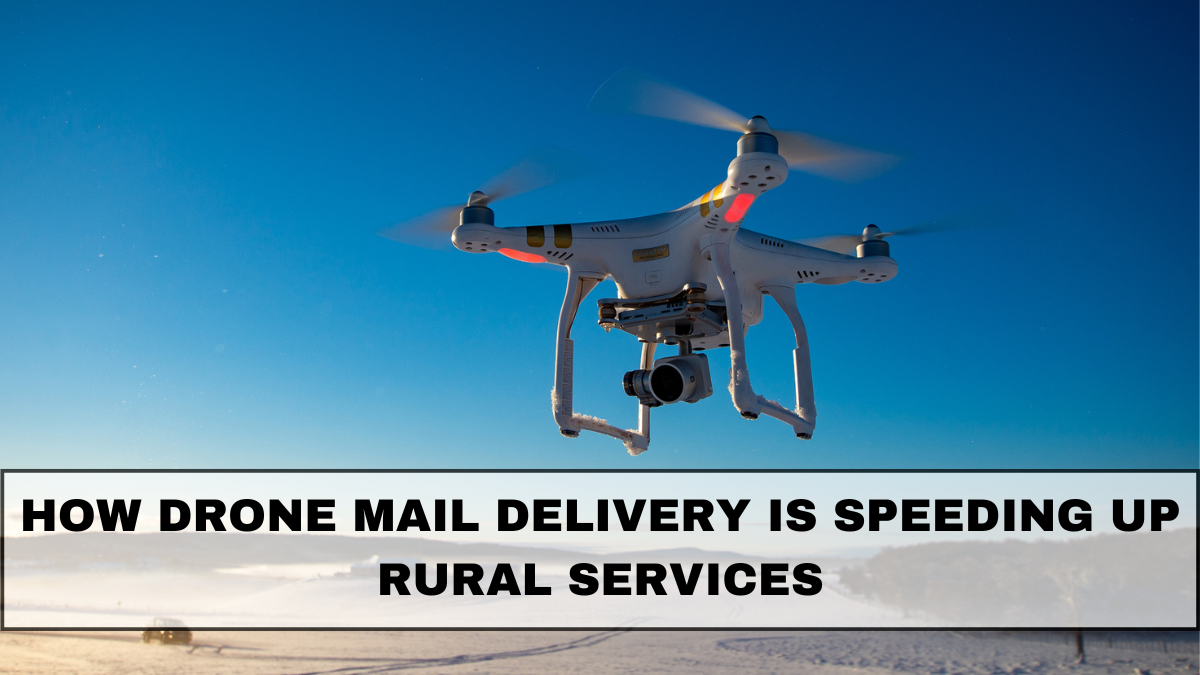
The rise of drone delivery is reshaping the landscape of rural logistics in a way that was unimaginable a decade ago. Remote villages and rural regions often struggle with delayed postal services because of difficult terrain, limited transportation options, and long travel times. Today, new drone-based mail delivery systems are offering faster and more reliable logistics solutions for these areas. With efficient routing, minimal human intervention, and the ability to access challenging locations, drone delivery is rapidly becoming a breakthrough in rural communication and services. As governments, logistics companies, and technology innovators come together, rural communities are beginning to experience a new era of connectivity and timely service.
Why Drone Delivery Matters for Rural Logistics
Remote villages frequently face delays in receiving essential documents, parcels, and important communications. Poor road conditions, extreme weather, and limited serviceability often disrupt traditional logistics networks. This is where drone delivery steps in as a practical game-changer. Drones can fly directly to destinations without being affected by roadblocks, traffic limitations, or geographical barriers. Their ability to bypass physical constraints makes them ideal for rural logistics.
Moreover, drones reduce delivery time from days to hours, enabling faster access to critical supplies. For rural citizens, this translates into earlier receipt of government documents, agricultural tools, educational materials, and even small medical supplies. The efficiency of drone delivery is helping bridge the service gap between urban and rural areas.
How Drone Technology Improves Delivery Speed
Speed is one of the strongest advantages of drone delivery. Traditional delivery systems rely on vehicles that must navigate long, uneven routes. In contrast, drones follow direct aerial paths, drastically cutting down travel time. High-capacity batteries, GPS navigation, and intelligent autopilot systems allow drones to fly swiftly and autonomously.
Key factors contributing to improved delivery speed include:
• Direct point-to-point travel
• No traffic interference
• Autonomous route optimisation
• Faster sorting and dispatch using automated systems
• Minimal handling during transit
In most rural zones, the drone’s ability to skip terrain obstacles—such as rivers, forests, hills, and unpaved roads—proves invaluable. For rural logistics providers, drone delivery offers a reliable way to maintain timely service even during harsh monsoon seasons or winter disruptions.
The Role of Drones in Enhancing Accessibility
Accessibility remains one of the biggest challenges in rural regions, especially in isolated pockets with little infrastructure. Drone delivery offers unprecedented access to communities that are often cut off from timely services. Many rural places have limited roads or depend on seasonal transport routes that become inaccessible for months.
Drones equipped with advanced sensors can safely navigate narrow valleys, dense forests, or hilly terrain. This greatly enhances the reach of rural logistics networks, allowing essential items to reach even the most remote households. The ability to land in small clearings or drop lightweight parcels at designated spots gives drone delivery an edge over traditional transport.
Additionally, drones can operate at any time—day or night—using advanced positioning and LED navigation lights. This ensures that communities receive their mail and parcels without unnecessary delays. For governments aiming to uplift rural communication networks, drone accessibility offers a sustainable, long-term solution.
Cost Efficiency and Sustainability Benefits
Beyond accessibility and speed, drone delivery contributes significantly to cost reduction and environmental sustainability. Traditional logistics require vehicles, fuel, drivers, and regular road maintenance, all of which add to operational expenses. In contrast, drones operate on electricity, sharply reducing fuel costs and carbon emissions.
Cost-related advantages include:
• Lower fuel consumption
• Fewer manpower requirements
• Minimal maintenance for aerial routes
• Reduced wear and tear compared to road vehicles
• Longer operational hours without additional cost
In rural regions where transportation expenses are typically high due to long distances and poor roads, drones present a more economical alternative. Their eco-friendly operation also supports sustainability goals, making drone delivery a future-ready option for rural logistics.
Use Cases of Drone Delivery in Rural Areas
Different sectors are benefitting from drone delivery, leading to improvements in essential services across rural communities. Some of the most impactful use cases include:
• Postal services: Faster mail and document delivery for citizens and government offices.
• Healthcare: Delivery of small first-aid kits, lab samples, and basic medicines to remote villages.
• Agriculture: Quick supply of seeds, crop samples, drone spare parts, and farming tools.
• Education: Distribution of textbooks, exam papers, stationery, and digital storage materials.
• Emergency services: Rapid dispatch of relief kits, communication tools, and safety equipment during natural disasters.
These applications highlight the diverse potential of drone delivery in improving everyday life for rural populations.
Challenges in Implementing Drone Delivery
Despite numerous advantages, the implementation of drone delivery in rural logistics comes with challenges. Key concerns include:
• Regulatory approvals for drone flight paths
• Weather conditions affecting drone stability
• Battery life limitations for long distances
• Need for trained operators and monitoring systems
• Safety concerns in areas with wildlife or tall structures
However, ongoing advancements in drone technology, safety protocols, and government policy frameworks are steadily addressing these issues.
Future Potential of Drone-Based Rural Logistics
Drone infrastructure has already started making a substantial impact, and its continued development promises even greater transformation. More reliable long-range drones, advanced navigation systems, and enhanced payload capacities are being introduced. The growing integration of automation and AI will further streamline the way drones manage rural deliveries.
For rural communities, drone delivery signifies empowerment through faster services, improved logistics efficiency, and better access to essential goods. As the technology continues to evolve, rural logistics will experience significant improvements in reliability, affordability, and coverage.
FAQs
How fast is drone delivery compared to normal mail services?
Drone delivery is significantly faster, cutting delivery times from days to hours by avoiding road delays and travelling through direct aerial routes.
Can drones deliver packages during bad weather?
Some drones can operate in light rain and moderate winds, but extreme weather may delay operations depending on safety protocols.
Is drone delivery safe for rural communities?
Yes, modern drones include collision-avoidance sensors, GPS tracking, and safety mechanisms to ensure secure deliveries.
What types of items can drones deliver?
Drones typically carry small parcels such as documents, medicines, seeds, and lightweight essential supplies.
Do drones require specialised landing areas in villages?
Not always. Many drones can land in open fields, rooftops, or designated drop-off points depending on the model.
Click here to know more.