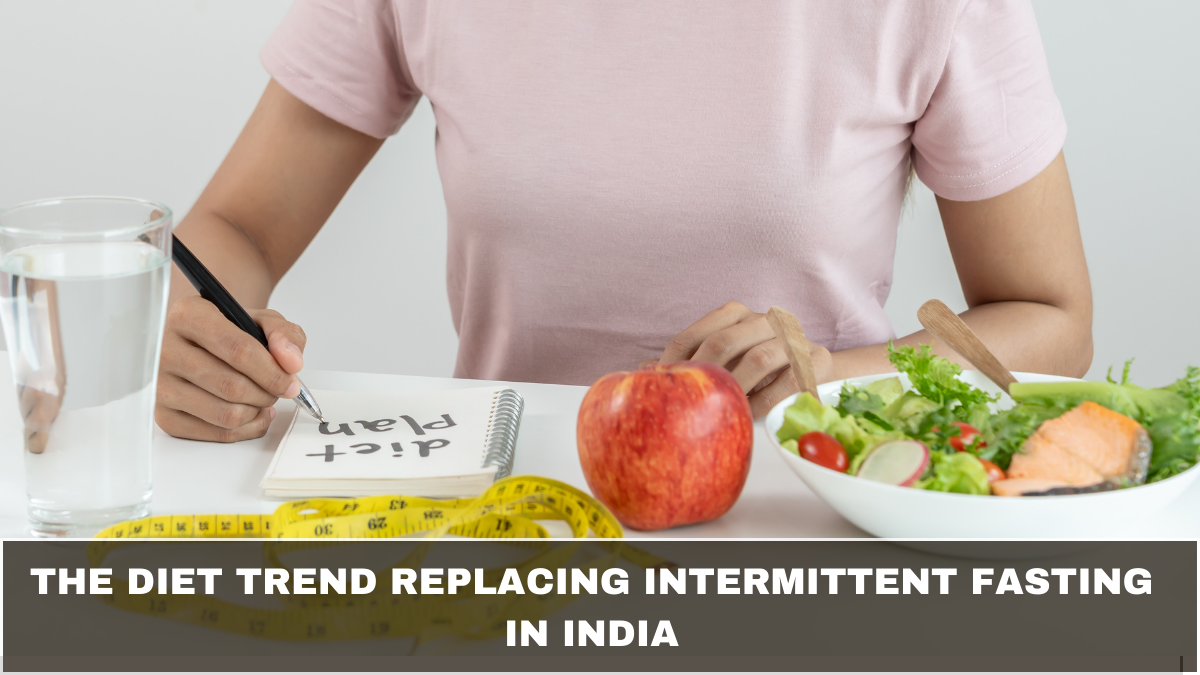
Intermittent fasting has dominated Indian wellness conversations for years, touted as a powerful method to improve metabolic health, boost energy, and aid weight management. However, a new diet trend is emerging in India, gradually replacing traditional fasting routines. This approach focuses on sustainable eating patterns, metabolic flexibility, and nutrient timing rather than prolonged periods of food restriction. The growing awareness of mental wellbeing, energy balance, and lifestyle sustainability has driven this shift, making intermittent fasting replacement trends one of the most searched topics in Indian health and wellness circles today.
Nutritionists and fitness experts in India note that while intermittent fasting offers short-term benefits, many individuals struggle to adhere to strict eating windows, leading to fatigue, irritability, and nutrient deficiencies. The replacement diet trend addresses these concerns by promoting flexibility, personalization, and a balance between metabolism and satiety.

Why Intermittent Fasting Is Losing Popularity
Several factors have contributed to the shift away from traditional intermittent fasting in India:
-
Strict fasting windows often clash with social meals and work schedules
-
Prolonged fasting can trigger energy dips and reduced productivity
-
Not suitable for adolescents, pregnant women, or individuals with certain health conditions
-
Risk of overeating during non-fasting periods
-
Difficulty maintaining long-term consistency
These challenges have prompted wellness enthusiasts and professionals to explore more flexible and sustainable dietary patterns. As a result, Indian searches for alternatives to intermittent fasting have increased, reflecting the need for diets that support health without extreme restrictions.
What the New Diet Trend Involves
The replacement trend focuses on metabolic flexibility and nutrient timing rather than rigid fasting. It encourages:
-
Eating multiple small, balanced meals throughout the day
-
Timing carbohydrate intake around active periods for energy optimization
-
Including protein, healthy fats, and fibre in every meal for satiety
-
Avoiding processed foods and added sugars
-
Mindful eating practices to reduce overconsumption
-
Hydration throughout the day
Unlike intermittent fasting, this approach does not require skipping meals or limiting eating to strict windows. Instead, it emphasizes listening to the body’s hunger cues while maintaining steady blood sugar levels and supporting gut health.
Benefits of the New Trend
Experts point out several advantages of this emerging diet trend:
-
Improved Metabolic Health: Balanced meals and nutrient timing help regulate blood sugar, improve insulin sensitivity, and maintain energy throughout the day.
-
Sustainable Weight Management: Flexible meal patterns reduce the risk of binge eating and support gradual, healthy weight loss.
-
Enhanced Mental Clarity: Stable energy levels prevent irritability and mood swings often associated with intermittent fasting.
-
Digestive Wellbeing: Regular, balanced meals promote better digestion, nutrient absorption, and gut health.
-
Flexibility for Social and Cultural Eating: Indian festivals, family meals, and social gatherings become easier to accommodate without breaking the diet routine.
The trend’s growing popularity in India reflects a move towards diets that are not only effective but also culturally and psychologically sustainable.
How Indians Are Adopting This Trend
Wellness coaches, nutritionists, and social media influencers are spreading awareness of this replacement trend through online guides, workshops, and meal plans. Indian urban populations, in particular, are experimenting with:
-
Breakfast-rich routines including oats, poha, or multigrain toast
-
Post-workout nutrient-dense meals
-
Early evening lighter meals with protein and vegetables
-
Herbal teas, infused water, and low-calorie snacks between meals
Apps and digital wellness platforms are offering personalized meal schedules based on body type, activity levels, and health goals. This flexibility ensures the diet can be maintained long-term without feeling restrictive.
Comparing Intermittent Fasting and the New Trend
While intermittent fasting focuses on when to eat, the replacement trend focuses on what to eat and how to distribute meals. Key differences include:
| Feature | Intermittent Fasting | New Diet Trend |
|---|---|---|
| Meal Timing | Strict eating windows | Flexible, body-responsive |
| Energy Levels | May dip during fasting hours | Stable throughout the day |
| Sustainability | Difficult for long-term adherence | Designed for lifestyle compatibility |
| Nutrient Intake | Risk of missing essential nutrients | Balanced, protein-rich, fibre-inclusive |
| Social Flexibility | Low | High, accommodates festivals and social meals |
This comparison highlights why many Indians are gradually transitioning to the new trend, as it provides a healthier balance of metabolic benefits, energy management, and lifestyle integration.
Conclusion
The intermittent fasting replacement trend in India reflects a growing awareness of holistic wellness. By focusing on nutrient timing, metabolic health, and sustainable eating, this approach offers a practical alternative to strict fasting schedules. Indians are increasingly prioritizing balanced energy, mental clarity, and long-term adherence over temporary dietary fads. With guidance from nutrition experts and digital wellness platforms, the trend is likely to continue growing, shaping the future of diet and wellness in India. For individuals seeking a flexible, effective, and health-conscious approach, this replacement trend offers an appealing path toward better metabolic health and overall wellbeing.
FAQs
What is the new diet trend replacing intermittent fasting in India?
It focuses on balanced meals, nutrient timing, and metabolic flexibility instead of strict fasting windows.
How does this diet improve metabolic health?
By maintaining steady blood sugar levels, improving insulin sensitivity, and promoting energy stability throughout the day.
Can anyone follow this trend?
Yes, it is suitable for most adults, including women, working professionals, and students, and is generally safer than strict fasting.
Is weight loss possible with this new diet?
Yes, the trend supports gradual and sustainable weight loss without extreme calorie restriction.
How is it different from intermittent fasting?
Unlike intermittent fasting, it prioritizes meal composition, frequency, and nutrient balance over strict timing restrictions.