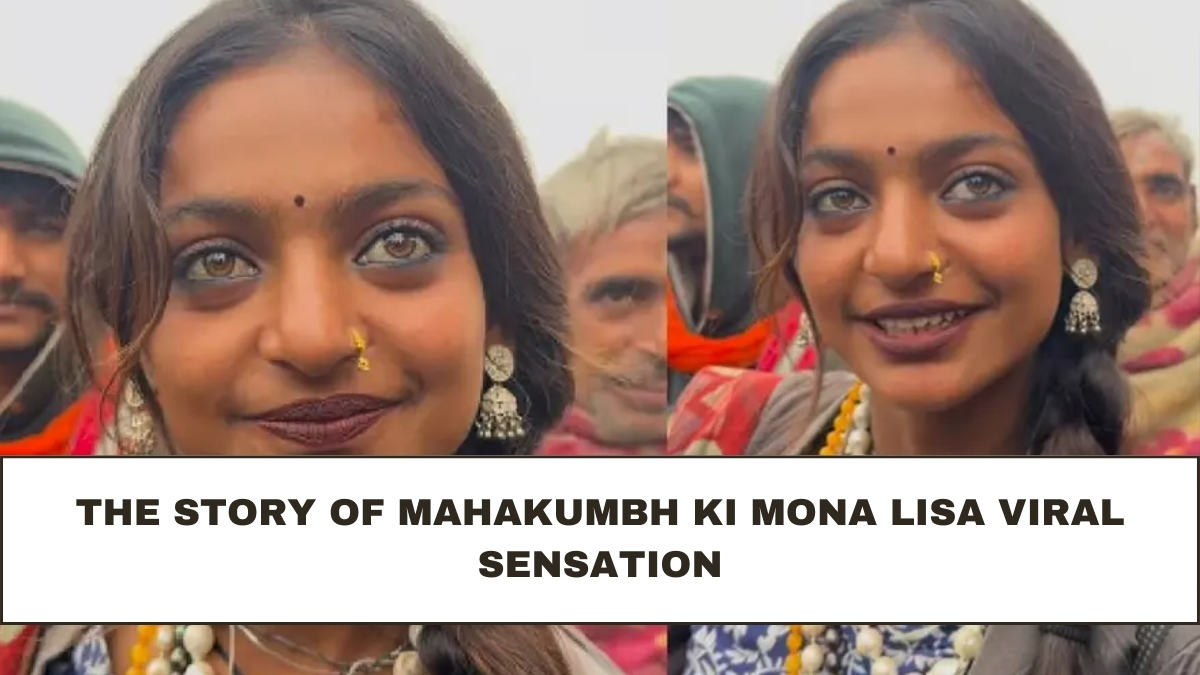
During the massive online chatter around Maha Kumbh, one unexpected moment captured the internet’s imagination — a young girl whose calm expression and striking presence earned her the nickname Mahakumbh Mona Lisa. Within hours, her image began circulating across platforms, turning into a viral symbol of the festival’s human side.
The Mahakumbh Mona Lisa trend reflects how India’s digital culture now finds stories not only in celebrities or events, but in ordinary faces that emotionally connect with millions. What started as a fleeting visual soon transformed into a nationwide conversation driven by curiosity, admiration, and social media storytelling.
Who Is the “Mahakumbh Mona Lisa”?
The title Mahakumbh Mona Lisa was given by internet users to a young girl spotted during Maha Kumbh coverage. Her composed expression, soft smile, and calm gaze reminded viewers of the famous Mona Lisa painting, leading to widespread comparisons.
She was not a celebrity, influencer, or public figure — just an ordinary participant caught in a moment that resonated deeply online. This authenticity played a major role in turning her into a festival viral face.
How the Viral Moment Started
The viral journey began when short clips and photos from Maha Kumbh started circulating on social media. Among crowds, rituals, and visuals, one frame stood out — the girl’s serene face looking directly into the camera.
Once shared, users began adding captions like “Mahakumbh ki Mona Lisa,” and the phrase quickly gained traction. Meme pages, culture accounts, and news portals amplified the trend, triggering massive social buzz.
Reasons the moment spread quickly include:
• Natural, unposed expression
• Strong emotional visual impact
• Easy-to-remember nickname
• Cultural familiarity with Mona Lisa reference
• Rapid resharing across platforms
Why Indians Connected With the Image
The popularity of the Mahakumbh Mona Lisa lies in emotional relatability. Indian audiences often respond strongly to visuals that feel pure, grounded, and real.
The girl’s expression conveyed calm amid chaos, which many interpreted as symbolic of faith, innocence, or quiet strength. This interpretation allowed people to project meaning onto the image, fueling deeper engagement.
In an age of filters and curated identities, such unfiltered moments stand out sharply.
Role of Social Media in Creating the Buzz
Social media played a defining role in shaping the festival viral face narrative. Once the nickname caught on, platforms turned it into a recognizable label.
The trend appeared through:
• Short reels with background music
• Screenshot posts with captions
• Reaction videos
• Meme-style edits
• Commentary posts discussing the phenomenon
Each format added a new layer to the story, increasing reach and curiosity.
How News Platforms Amplified the Trend
After the meme gained traction, digital news platforms picked it up as a human-interest story. Coverage focused on how a simple moment at Maha Kumbh turned into a viral sensation, further boosting the social buzz.
This crossover from social media to mainstream news is often what turns a viral moment into a cultural talking point. It also gives legitimacy to trends born purely online.
Cultural Meaning Behind the Viral Label
Calling her the Mahakumbh Mona Lisa was more symbolic than literal. The comparison reflects how Indians often use art and history references to describe emotions.
The phrase communicates:
• Mystery
• Calm expression
• Silent storytelling
• Visual impact
• Timeless feel
This blending of classical symbolism with modern virality is a hallmark of today’s digital culture.
Public Reactions and Online Sentiment
Most reactions toward the Mahakumbh Mona Lisa were positive and appreciative. Users described the moment as wholesome, peaceful, and refreshing compared to loud viral trends.
Common reactions included:
• Admiration for her natural expression
• Curiosity about her background
• Appreciation of festival authenticity
• Praise for simplicity
• Emotional responses
However, discussions also emerged around privacy and responsible sharing, reminding audiences to treat viral individuals respectfully.
Why Such Moments Go Viral During Festivals
Large festivals like Maha Kumbh naturally generate massive visual content. Amid this flood, unique human moments stand out more clearly.
Such moments go viral because:
• They feel spontaneous
• They represent emotion over spectacle
• They contrast with staged content
• They invite storytelling
• They feel “real”
The Mahakumbh Mona Lisa became memorable precisely because she symbolized quiet humanity within a grand event.
What This Trend Says About Digital India
This viral story highlights how India’s internet culture is evolving. Attention is no longer limited to celebrities or influencers — everyday individuals can become symbols of a moment.
The rise of the Mahakumbh Mona Lisa shows:
• Storytelling now happens visually
• Audiences value authenticity
• Virality is unpredictable
• Cultural context matters
• Emotion drives engagement
These elements define today’s social buzz ecosystem.
Final Thoughts
The story of the Mahakumbh Mona Lisa is a reminder that the internet often finds beauty in the most unexpected places. A single frame from a massive spiritual gathering turned into a nationwide talking point, driven by curiosity, admiration, and shared emotion.
As viral culture continues to evolve, such moments highlight how deeply human connection still lies at the heart of digital trends — even in an age ruled by algorithms.
FAQs
Who is Mahakumbh ki Mona Lisa?
She is a young girl whose calm expression during Maha Kumbh went viral, earning her the nickname online.
Why did Mahakumbh Mona Lisa trend?
Her image stood out for its emotional depth and resemblance to the iconic Mona Lisa expression.
Is she a public figure?
No, she is an ordinary individual who became viral due to a widely shared moment.
Which platforms made the trend popular?
The trend spread mainly through social media reels, posts, and news coverage.
Why do such festival moments go viral?
Because they combine emotion, authenticity, and cultural context, making them relatable and shareable.