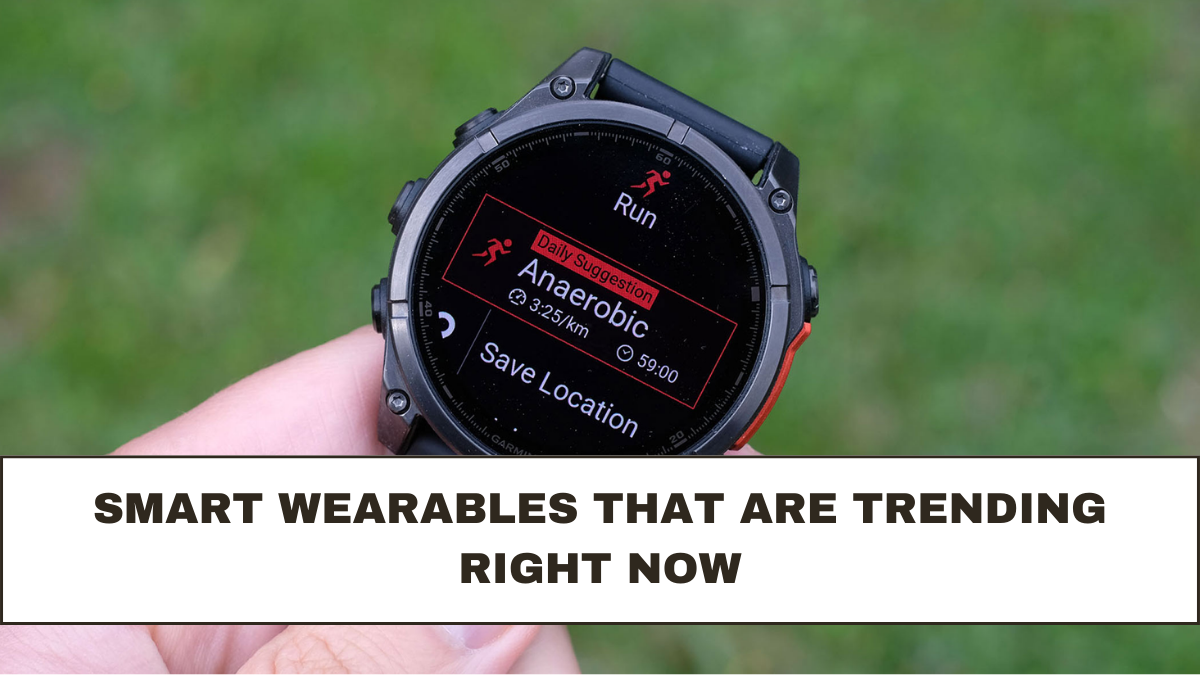
The smart wearables trend in 2026 is reshaping how people monitor their health, fitness, and overall wellbeing. Devices like fitness trackers, smartwatches, and health-focused wearables now offer advanced features that help users track activity, sleep, heart rate, and other vital metrics in real time. With health wearables becoming more accessible, even budget-conscious users can benefit from reliable monitoring.
Modern fitness tech goes beyond step counting — it combines data insights, AI-driven recommendations, and connectivity to apps and devices to help users stay on top of their health goals.
Why Smart Wearables Are Popular in 2026
The rising interest in smart wearables trend comes from their ability to simplify health tracking and improve lifestyle awareness. Consumers are increasingly looking for tools that provide actionable insights without manual logging.
Key factors driving popularity include:
• Continuous health monitoring
• Personalized insights and recommendations
• Integration with mobile apps
• Stylish, wearable designs
• Support for both fitness and medical tracking
Top Features of Health Wearables
Health wearables have evolved to include features that go beyond standard fitness tracking. Users now expect functionality that supports daily wellness and fitness objectives.
Common features include:
• Heart rate and oxygen level monitoring
• Sleep tracking with analysis
• Stress level detection
• Activity recognition (running, cycling, swimming)
• Notifications and reminders
These features make smart wearables trend devices a practical choice for anyone focused on personal health.
Fitness Tech and Activity Tracking
Fitness tech is at the core of smart wearable devices. These devices help users monitor progress and stay motivated through real-time feedback.
Capabilities often include:
• Step counting and distance tracking
• Calorie and nutrition estimates
• Workout tracking with guided sessions
• Goal-setting and achievement badges
• Social integration for challenges
These features make fitness tracking more interactive and goal-oriented.
Smart Wearables for Sleep and Recovery
Monitoring sleep is now a standard component of health wearables. Advanced devices track sleep stages, quality, and duration to provide actionable insights.
Key sleep-related features include:
• Sleep cycle tracking (light, deep, REM)
• Sleep quality scores
• Smart alarms for optimal waking
• Stress and recovery tracking
• Personalized tips to improve sleep habits
This helps users understand how rest affects their daily energy and performance.
Connectivity and App Integration
Smart wearables are most effective when paired with mobile apps. These apps provide analytics, historical trends, and personalized recommendations.
Common app features include:
• Centralized health dashboards
• Trend visualization
• AI-driven insights
• Workout and nutrition planning
• Alerts for abnormal readings
Integration ensures that smart wearables trend devices offer more than just raw data—they provide actionable health guidance.
Benefits for Everyday Life
Smart wearables are increasingly used for lifestyle management in addition to fitness. Daily benefits include:
• Monitoring heart rate during work or activity
• Encouraging movement through reminders
• Tracking water intake and hydration
• Stress management tips
• Easy access to notifications without phone dependency
These benefits make them useful for anyone seeking better personal health awareness.
Who Should Use Smart Wearables
Health wearables are suitable for a wide range of users, including:
• Fitness enthusiasts
• Individuals monitoring chronic conditions
• Busy professionals seeking health reminders
• Students or young adults focusing on wellness
• Anyone interested in quantified self-tracking
By providing insights in real time, wearables support proactive health management.
Challenges and Considerations
Despite their benefits, users should be aware of limitations:
• Accuracy may vary between devices
• Battery life can be limited with advanced features
• Dependence on mobile apps for full functionality
• Some features may require subscriptions
• Data privacy considerations
Understanding these factors ensures users select the right wearable for their needs.
The Future of Smart Wearables
The smart wearables trend shows no signs of slowing down. Devices are becoming more sophisticated, offering deeper health insights, better connectivity, and longer battery life. As fitness tech continues to evolve, wearables will play an even greater role in daily wellness, preventive health, and lifestyle optimization.
Conclusion
The smart wearables trend is transforming personal health monitoring in 2026. From advanced fitness tracking to sleep and stress management, health wearables offer a convenient and actionable way to monitor overall wellbeing. With continued innovation in fitness tech, these devices are set to become even more integral to healthy, active lifestyles.
FAQs
What are smart wearables?
Smart wearables are devices worn on the body that track health, fitness, and lifestyle metrics in real time.
How do health wearables track activity?
They use sensors to monitor heart rate, steps, sleep, and other metrics, often synced with mobile apps.
Are smart wearables suitable for everyone?
Yes, they are useful for fitness enthusiasts, professionals, students, and anyone interested in wellness.
Can smart wearables help with sleep?
Yes, most advanced wearables track sleep patterns and provide tips for better rest.
Do smart wearables require a smartphone?
Most devices work best when paired with an app, though basic features may work independently.
Click here to know more.