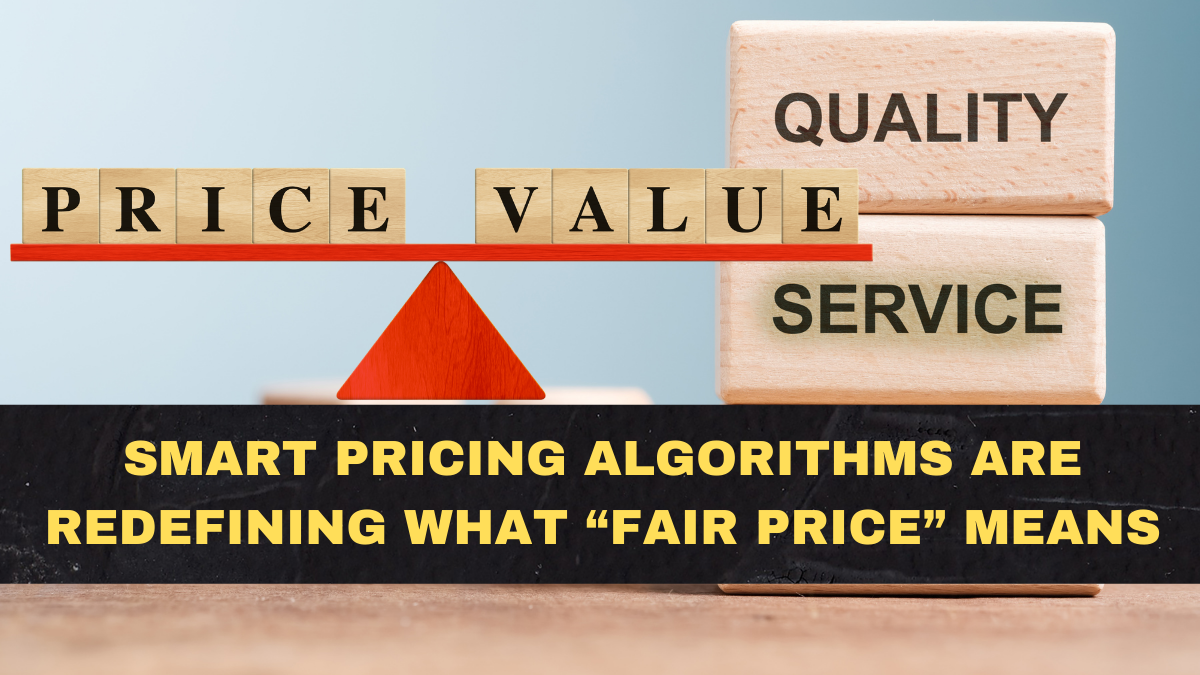
For decades, pricing felt simple: cost plus margin, maybe a discount here and there. In 2026, that mental model is obsolete. Smart pricing algorithms now adjust prices dynamically, quietly, and constantly—based on demand, behavior, competition, and timing. What customers perceive as a “fair price” is no longer fixed; it’s calculated.
This shift is driven by AI pricing tools that learn faster than human teams ever could and optimize retail margins with surgical precision. The result is a retail environment where prices feel personalized, fluid, and sometimes unsettling.
What Smart Pricing Algorithms Actually Do
Smart pricing algorithms are systems that set and update prices automatically using real-time data. They don’t just react—they predict.
Their inputs commonly include:
• Demand fluctuations by hour or day
• Inventory levels and supply constraints
• Competitor pricing changes
• Customer purchase history
• Conversion probability at different prices
Prices are no longer labels. They’re outcomes of continuous calculation.
How AI Pricing Tools Decide What You Pay
AI pricing tools segment customers implicitly. Two people can see different prices for the same product—without realizing it.
Decision factors include:
• Past willingness to pay
• Urgency signals (repeated views, cart behavior)
• Device, location, or time of day
• Loyalty status or return history
• Ongoing promotions and goals
The algorithm doesn’t ask what’s fair. It asks what will convert.
Why Retail Margins Are Improving With Less Visibility
From a business perspective, smart pricing algorithms are a breakthrough.
They help retailers:
• Protect margins during low demand
• Increase revenue during high demand
• Reduce blanket discounting
• Clear inventory efficiently
• Compete without constant manual changes
Profitability improves—even when prices appear “competitive.”
The Changing Meaning of “Fair Price”
Traditionally, fairness meant consistency. In 2026, fairness is framed as relevance.
New interpretations of fair price include:
• Paying what the market supports
• Paying less when demand is low
• Paying more for convenience or speed
• Paying dynamically based on context
Consumers accept variability—until it feels arbitrary.
Where Consumers Start to Push Back
Trust erodes when price logic becomes opaque.
Red flags for consumers include:
• Sudden price jumps within minutes
• Different prices across devices
• Discounts that feel performative
• “Limited-time” urgency that repeats
When smart pricing feels manipulative, backlash follows.
Industries Most Affected by Smart Pricing
Some sectors adopted algorithmic pricing faster than others.
Most impacted industries include:
• Airlines and travel
• Ride-hailing and delivery
• E-commerce marketplaces
• Event ticketing
• Hospitality and rentals
In these spaces, static pricing simply can’t keep up.
Regulatory and Ethical Tensions
As smart pricing algorithms spread, scrutiny increases.
Key concerns include:
• Discriminatory pricing outcomes
• Price collusion via algorithms
• Lack of transparency
• Consumer consent and awareness
Regulators struggle because intent is hard to prove when decisions are automated.
How Retailers Justify Algorithmic Pricing
Retailers frame smart pricing as efficiency, not exploitation.
Common justifications:
• Better matching of supply and demand
• Reduced waste and overstock
• More targeted discounts
• Competitive survival in thin-margin markets
The argument is pragmatic—even if consumers feel uneasy.
How Consumers Can Navigate Algorithmic Pricing
Shoppers aren’t powerless, but they need new habits.
Practical strategies include:
• Comparing prices across platforms
• Avoiding repeated refreshes
• Clearing carts before returning later
• Watching price trends over time
Awareness reduces the algorithm’s leverage.
What This Means for Retail Going Forward
Pricing is becoming a conversation between algorithms—not people.
By late 2026:
• Prices adjust continuously
• Discounts become individualized
• Static pricing feels outdated
• Transparency becomes a trust signal
Retail success depends on balancing optimization with credibility.
Conclusion
Smart pricing algorithms are redefining what “fair price” means in modern retail. Powered by AI pricing tools and focused on protecting retail margins, these systems optimize relentlessly—often invisibly. The efficiency gains are real, but so are the trust risks.
In 2026, fairness isn’t about one price for all. It’s about whether customers believe the price they see was earned—or engineered.
FAQs
What are smart pricing algorithms?
They are AI systems that automatically set and adjust prices based on real-time data and behavior.
Do smart pricing algorithms charge different people different prices?
They can, indirectly, by adjusting prices based on signals and context.
Are AI pricing tools legal?
Generally yes, but regulators are watching for discrimination and collusion risks.
Why do prices change so frequently online?
Because algorithms continuously respond to demand, inventory, and competition.
Can consumers avoid algorithmic pricing?
Not entirely, but awareness and comparison shopping reduce its impact.