You start using your AC to escape the heat, and within a month, your electricity bill jumps far higher than expected. This is one of the most common surprises for households in India during summer.
The truth is simple: AC is one of the highest electricity-consuming appliances in your home. Even a few hours of daily usage can significantly increase your total units consumed, pushing your bill into a higher slab without you realizing it.
Why Does This Matter More Than You Think?
Most people assume that using AC for comfort is a small addition to their bill. In reality, AC usage alone can contribute up to 40%–60% of your total electricity consumption during peak summer months.
This means your entire electricity cost structure changes just because of one appliance. If you don’t manage it properly, your bill can double compared to non-summer months.
What Is the Real Cost of Running an AC in India?
The cost depends on the AC type, usage hours, and electricity tariff, but the numbers are more serious than most people expect.
Here’s a simple estimate:
- A 1.5-ton AC consumes around 1.5 to 2 units per hour
- Running it for 8 hours daily = 12–16 units per day
- Monthly usage = 360–480 units
If your per-unit cost is ₹7–₹10, your AC alone can cost ₹2,500–₹5,000 per month.
How Does AC Usage Increase Your Bill So Fast?
The biggest issue is not just consumption — it’s slab-based pricing.
AC Usage Cost Impact
| Daily Usage Hours | Monthly Units (Approx) | Bill Impact |
|---|---|---|
| 2–3 hours | 90–150 units | Moderate increase |
| 4–6 hours | 180–300 units | High increase |
| 8+ hours | 360–480 units | Very high spike |
As your usage increases, you move into higher billing slabs, which increases per-unit cost as well.
What’s Happening in India Right Now?
India is experiencing rising temperatures and longer summer periods, which is increasing AC usage across households. At the same time, electricity tariffs and fuel costs are also rising.
This combination is creating a situation where electricity bills are increasing sharply, especially for urban households that rely heavily on cooling appliances.
What Should You Do to Reduce AC Electricity Cost?
You don’t need to stop using AC — you need to use it smartly.
- Set temperature at 24–26°C instead of very low settings
- Use energy-efficient (5-star rated) ACs
- Keep doors and windows closed while AC is running
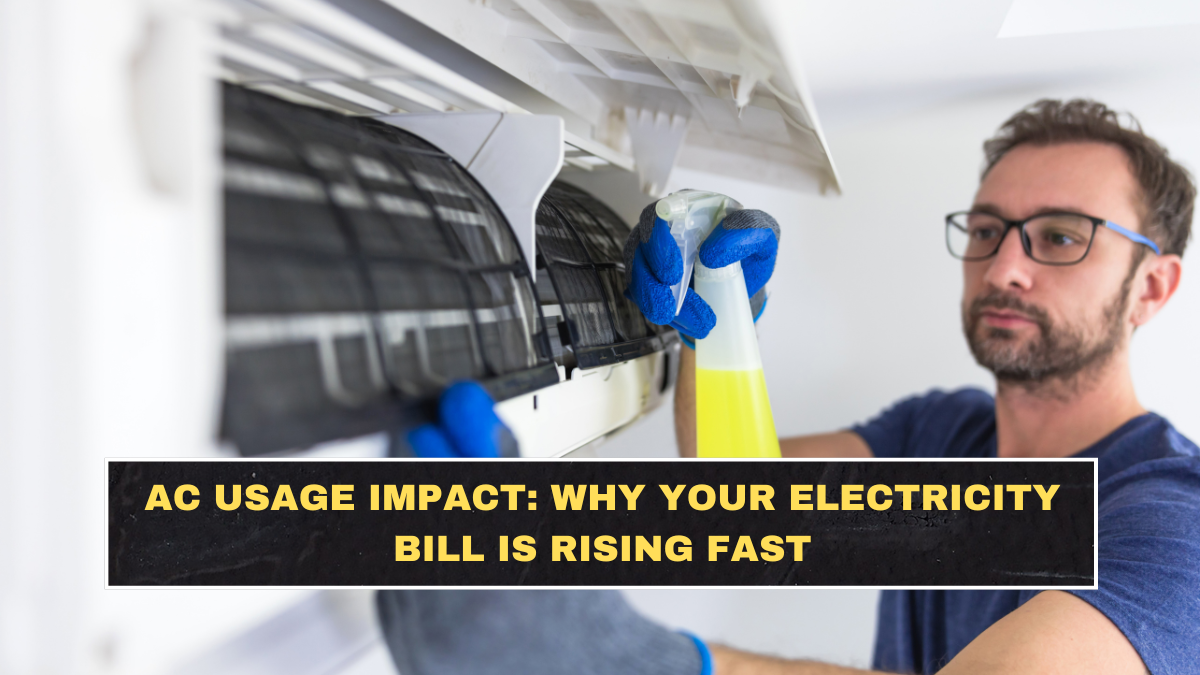
- Clean filters regularly for better efficiency
- Use ceiling fans along with AC to reduce load
Even small adjustments can reduce consumption significantly.
What Mistakes Are Increasing Your AC Cost?
Most people unknowingly increase their bill through poor usage habits.
Common mistakes include:
- Running AC at 18–20°C unnecessarily
- Keeping AC on even when the room is empty
- Using old or inefficient AC units
- Not maintaining the appliance properly
These habits increase energy consumption without providing extra comfort.
What Should You Watch Next?
Electricity demand and tariffs are likely to increase further during peak summer. If heatwaves continue, AC usage will rise even more, pushing bills higher.
Monitoring your usage and adjusting habits early can help avoid major cost spikes.
Reality Check: Is AC the Biggest Reason for High Bills?
In most households — yes.
AC is often the single largest contributor to electricity bills during summer. Ignoring its impact means ignoring the main reason your bill is increasing.
Conclusion: What Should You Take Seriously Right Now?
Stop treating AC usage casually.
It is not just a comfort device — it is a major cost driver. If you want to control your electricity bill, you must control how you use your AC.
Smart usage is the difference between a manageable bill and a shocking one.
FAQs
How much electricity does an AC consume?
A 1.5-ton AC consumes around 1.5–2 units per hour.
Does AC increase electricity bill a lot?
Yes, it can contribute up to 40%–60% of your total bill.
What is the best AC temperature setting?
24–26°C is ideal for both comfort and efficiency.
How can I reduce AC electricity cost?
Use efficient settings, maintain the AC, and avoid unnecessary usage.
Is inverter AC better for saving electricity?
Yes, inverter ACs are generally more energy-efficient than non-inverter models.
Click here to know more.