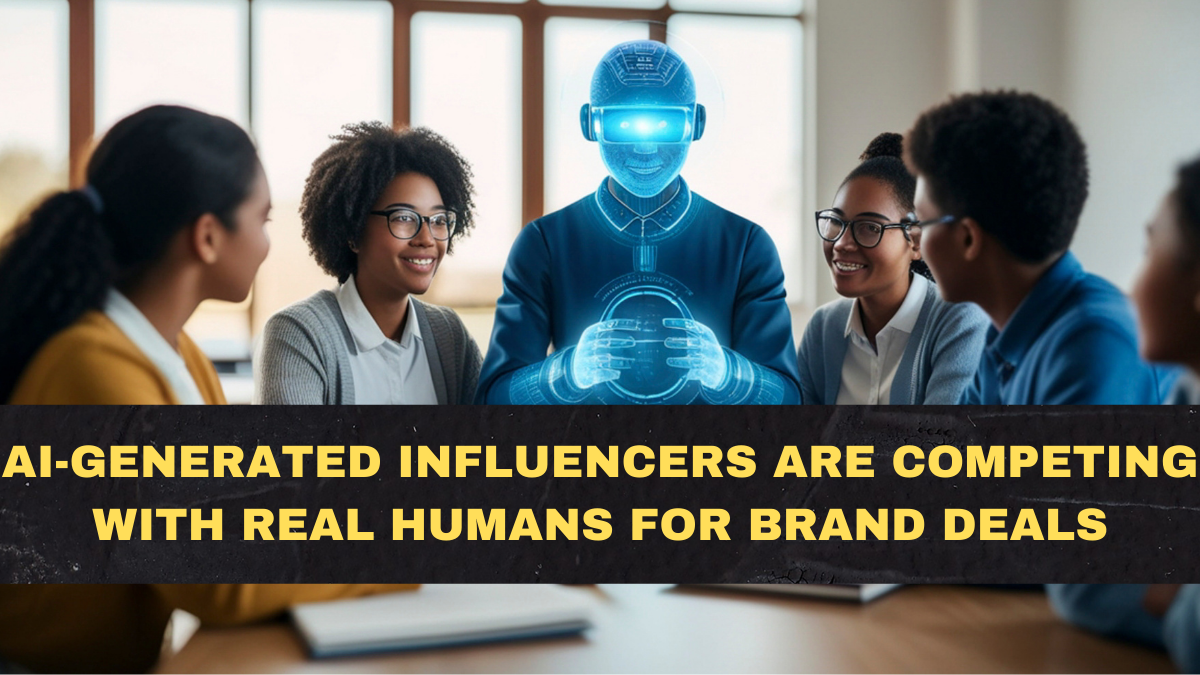
In 2026, the influencer economy crossed an uncomfortable line. AI generated influencers are no longer experiments or novelty accounts—they are signing real brand deals, gaining loyal followers, and outperforming human creators in consistency and control. What once felt futuristic now blends seamlessly into social feeds, where audiences often can’t—or don’t care to—distinguish between human and synthetic personalities.
This shift is powered by advances in virtual influencers and increasingly sophisticated social media AI systems that can generate faces, voices, captions, and even personalities at scale. The result is a creator landscape where authenticity is being redefined, not replaced.
What AI Generated Influencers Actually Are
AI generated influencers are digital personas created using AI models. They don’t age, miss deadlines, or make unpredictable choices.
Core characteristics include:
• Fully synthetic faces or stylized avatars
• AI-written captions and scripts
• Programmed personality traits
• Controlled posting schedules
• Predictable brand-safe behavior
Some are openly virtual. Others blur the line intentionally.
Why Brands Are Attracted to Virtual Influencers
From a brand’s perspective, AI influencers solve many long-standing problems.
Brands favor them because they:
• Never cause scandals
• Deliver consistent messaging
• Scale across platforms instantly
• Operate without burnout
• Offer full creative control
For campaigns requiring precision and risk minimization, this is hard to ignore.
How Social Media AI Makes Them Believable
The realism isn’t accidental. Social media AI now optimizes content for engagement with surgical accuracy.
These systems:
• Analyze trending aesthetics
• Generate captions tuned to platform tone
• Adapt personality based on audience response
• Post at optimal engagement windows
• Evolve style without identity drift
To the algorithm, engagement matters more than biology.
Why Audiences Follow AI Influencers
Surprisingly, many followers know the influencer isn’t human—and follow anyway.
Reasons include:
• Visual consistency
• Aspirational but non-judgmental presence
• Entertainment value
• Predictable content quality
• Curiosity about AI culture
For some users, the lack of “realness” feels refreshing.
Where Human Influencers Feel the Pressure
AI generated influencers raise uncomfortable comparisons.
Human creators struggle with:
• Irregular posting due to life constraints
• Emotional burnout
• Inconsistent brand alignment
• Algorithm penalties for breaks
AI doesn’t compete creatively—it competes operationally.
Authenticity vs Control: The Core Tension
Influencer marketing has always valued authenticity. AI challenges that assumption.
The tension looks like this:
• Humans offer lived experience
• AI offers perfect execution
• Humans bring unpredictability
• AI brings reliability
Brands now choose based on campaign goals, not ideology.
Ethical and Disclosure Concerns
As AI generated influencers spread, transparency becomes critical.
Key ethical questions include:
• Should AI influencers always be disclosed?
• Can audiences give informed consent?
• Who is responsible for misinformation?
• What happens when AI mimics real people?
Disclosure standards vary widely—and enforcement is weak.
How Creators Are Adapting Instead of Competing
Many human creators are choosing collaboration over competition.
Adaptation strategies include:
• Using AI for content assistance
• Leaning into lived experience and opinion
• Building community interaction AI can’t replicate
• Licensing likenesses for AI-driven projects
The edge shifts from volume to connection.
What This Means for Influencer Marketing
Influencer marketing is becoming a spectrum, not a category.
By late 2026:
• Campaigns mix human and AI creators
• Metrics matter more than personas
• Trust becomes segmented by audience type
• Disclosure becomes a brand risk factor
The market adjusts—quietly.
Will AI Influencers Replace Humans
Replacement is the wrong frame. Substitution is selective.
AI generated influencers will dominate:
• Product showcases
• Fashion and lifestyle visuals
• Always-on brand accounts
Human creators will remain essential for:
• Opinion-driven content
• Storytelling rooted in experience
• Community leadership
The future is hybrid.
Conclusion
AI generated influencers are no longer competing for attention—they’re competing for budgets. Powered by virtual influencers and optimized by social media AI, these digital personas offer brands control and consistency that human creators can’t always match. But influence isn’t just reach—it’s resonance.
In 2026, the most successful influencer strategies won’t ask “human or AI?” They’ll ask which voice the audience trusts—and why.
FAQs
What are AI generated influencers?
They are digital personas created using AI to produce content, visuals, and interactions on social platforms.
Do people know when an influencer is AI?
Sometimes yes, sometimes no. Disclosure practices vary widely.
Why do brands prefer AI influencers?
They offer consistency, control, and lower risk compared to human creators.
Are AI influencers ethical?
They raise ethical concerns around transparency, consent, and manipulation.
Will AI replace human influencers completely?
No. AI will complement and compete, but human experience still holds unique value.