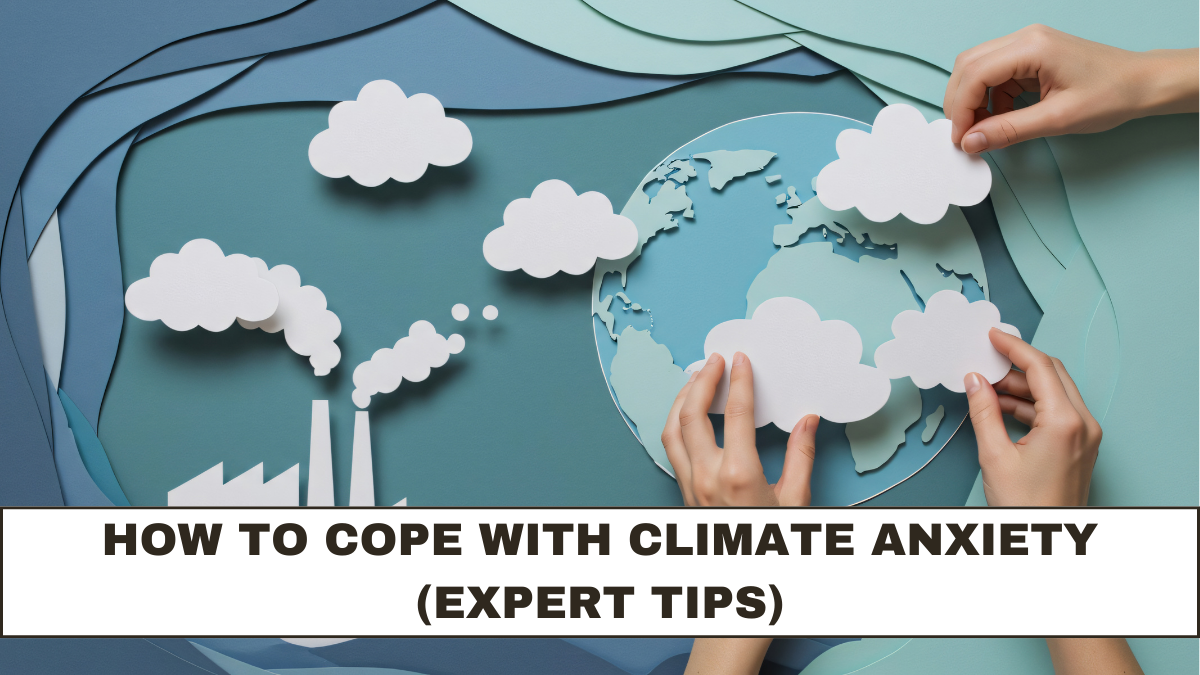
Concerns about the planet’s future are no longer limited to scientists or activists. Today, many people experience emotional distress linked to environmental change, giving rise to what experts call climate anxiety. Searches for climate anxiety coping tips are increasing as individuals look for healthy ways to manage fear, worry, and helplessness connected to climate issues. This form of eco stress affects emotional balance, daily focus, and overall mental wellness.
Understanding how to cope with climate anxiety does not mean ignoring reality. Instead, it involves learning how to process emotions, stay informed without becoming overwhelmed, and build resilience in uncertain times.

What Is Climate Anxiety and Why It’s Increasing
Climate anxiety refers to persistent worry, fear, or sadness related to environmental damage and the future of the planet. Unlike clinical anxiety, it is often rooted in real-world concerns.
The rise in climate anxiety coping tips searches is driven by:
• Constant exposure to climate news
• Social media discussions on environmental crises
• Fear about future generations
• Feelings of helplessness
• Uncertainty about global responses
This emotional reaction is increasingly recognized as a genuine mental health experience connected to eco stress.
Common Signs of Climate Anxiety
People experience climate anxiety in different ways. Recognizing early signs helps in applying effective climate anxiety coping tips.
Common symptoms include:
• Persistent worry about the environment
• Guilt about personal lifestyle choices
• Difficulty sleeping
• Feeling overwhelmed by news
• Loss of motivation
• Emotional exhaustion
When unmanaged, these feelings can affect overall mental wellness.
Why Climate Anxiety Affects Mental Health
Climate anxiety impacts mental health because it combines fear, uncertainty, and lack of control. Humans naturally seek stability, and environmental threats challenge that sense of safety.
Experts explain that eco stress can:
• Trigger chronic anxiety responses
• Increase feelings of hopelessness
• Lead to emotional fatigue
• Reduce concentration
• Affect daily functioning
Understanding this connection is the first step toward healthier coping strategies.
Healthy Ways to Cope With Climate Anxiety
Learning effective climate anxiety coping tips can help restore balance while staying informed and responsible. Experts recommend a combination of emotional, behavioral, and cognitive strategies.
Helpful approaches include:
• Acknowledging emotions without judgment
• Setting boundaries around news consumption
• Focusing on controllable actions
• Building supportive communities
• Practicing self-compassion
These steps protect mental wellness while maintaining awareness.
Limit Overexposure to Distressing Information
Constant exposure to alarming headlines intensifies eco stress. While staying informed is important, excessive consumption can overwhelm the nervous system.
To reduce overload:
• Limit daily news intake
• Avoid doom-scrolling
• Choose reliable information sources
• Schedule news-free hours
• Balance news with positive content
This approach supports emotional regulation and reduces anxiety triggers.
Turn Anxiety Into Purposeful Action
One of the most effective climate anxiety coping tips is transforming worry into meaningful action. Action restores a sense of control and purpose.
Positive actions include:
• Adopting eco-friendly habits
• Supporting environmental initiatives
• Participating in community efforts
• Learning sustainable practices
• Advocating for awareness
Taking action helps channel eco stress into constructive engagement.
Build Emotional Resilience Through Mindfulness
Mindfulness techniques play a key role in strengthening mental wellness. They help individuals stay present rather than overwhelmed by future uncertainties.
Helpful mindfulness practices include:
• Deep breathing exercises
• Meditation
• Grounding techniques
• Nature walks
• Journaling thoughts
These practices calm the nervous system and improve emotional resilience.
Talk About Your Feelings Openly
Discussing climate-related worries reduces isolation. Many people silently experience similar fears.
Ways to open up include:
• Talking with trusted friends
• Joining support groups
• Participating in climate discussions
• Seeking mental health professionals
Sharing experiences normalizes emotions and reduces eco stress.
Balance Hope With Realism
Healthy coping does not require ignoring problems. It involves holding concern and hope at the same time.
Experts recommend:
• Focusing on progress and innovation
• Celebrating small environmental wins
• Recognizing collective efforts
• Avoiding all-or-nothing thinking
This balanced mindset supports long-term mental wellness.
Support Mental Health Alongside Environmental Care
Taking care of the planet should not come at the cost of personal well-being. Sustainable activism includes emotional care.
Self-care strategies include:
• Rest and recovery
• Creative expression
• Healthy routines
• Social connection
• Setting emotional boundaries
These habits strengthen resilience and prevent burnout.
How Communities Help Reduce Climate Anxiety
Community involvement plays a powerful role in managing climate anxiety coping tips. Collective action reduces isolation and increases hope.
Community benefits include:
• Shared responsibility
• Emotional validation
• Collective problem-solving
• Encouragement and motivation
Feeling connected helps counter feelings of helplessness.
Teaching Children and Youth Healthy Coping Skills
Younger generations are especially vulnerable to eco stress. Teaching age-appropriate coping skills is essential.
Helpful approaches include:
• Honest but hopeful conversations
• Encouraging questions
• Focusing on solutions
• Promoting emotional expression
• Modeling calm responses
This supports long-term mental wellness from an early age.
Why Climate Anxiety Is a Valid Emotional Response
Experts emphasize that climate anxiety is not a disorder but a rational response to real concerns. Validating emotions is a core part of healing.
Understanding this helps people:
• Reduce self-blame
• Seek support confidently
• Practice compassion
• Normalize emotional reactions
Acceptance is a powerful coping tool.
Conclusion
Learning effective climate anxiety coping tips empowers individuals to face environmental concerns without losing emotional balance. By managing eco stress, setting boundaries, and nurturing mental wellness, people can stay informed, hopeful, and resilient. Coping does not mean ignoring reality — it means responding with awareness, compassion, and strength.
As conversations around climate and mental health grow, adopting healthy coping strategies becomes an essential part of living well in an uncertain world.
FAQs
What is climate anxiety?
Climate anxiety is emotional distress caused by concerns about environmental issues and future ecological impacts.
How can I cope with climate anxiety?
Use coping strategies such as limiting news exposure, practicing mindfulness, and taking positive action.
Is climate anxiety a mental illness?
No, it is a natural emotional response, but it can affect mental wellness if unmanaged.
Can eco stress affect daily life?
Yes, it can impact sleep, focus, motivation, and emotional balance.
Should I seek professional help for climate anxiety?
If anxiety becomes overwhelming or persistent, mental health support can be helpful.
Click here to know more.