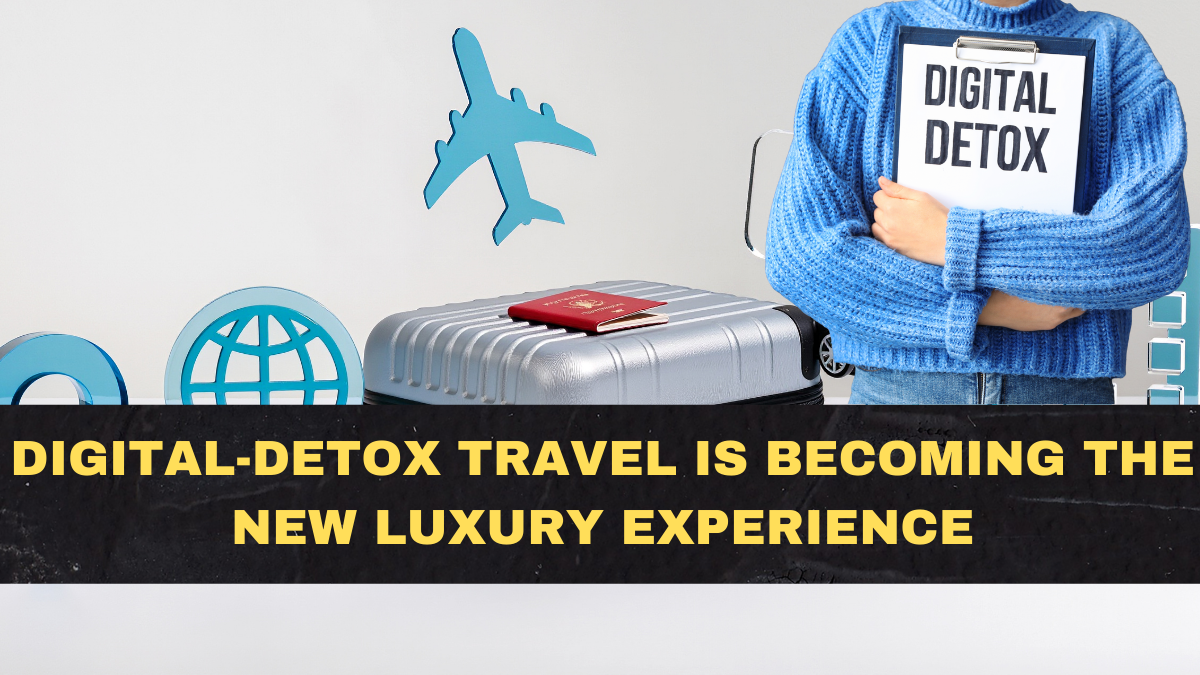
Luxury used to mean five-star hotels, room service, and fast Wi-Fi. In 2026, that definition is quietly flipping. Digital detox travel is emerging as a new form of status—one where the real privilege is being unreachable. As burnout, notification fatigue, and screen dependence peak, travelers are actively seeking offline vacations that promise silence, presence, and mental reset.
This trend isn’t driven by nostalgia or anti-tech sentiment. It’s driven by exhaustion. As work, social life, and entertainment collapse into the same screen, people are willing to pay more for experiences that disconnect them on purpose. That shift has turned wellness tourism into one of the fastest-evolving segments of travel.
What Digital Detox Travel Really Means
Digital detox travel is not just “bad Wi-Fi.” It’s intentional disconnection designed into the experience.
Key elements usually include:
• No televisions or smart screens
• Limited or zero internet access
• Phone-free common areas
• Scheduled offline activities
• Clear expectations about connectivity
The goal isn’t inconvenience—it’s mental relief.
Why Offline Vacations Are Suddenly in Demand
People aren’t quitting technology. They’re trying to escape its constant pull.
Drivers behind the rise of offline vacations include:
• Always-on work culture
• Notification-driven anxiety
• Social media fatigue
• Blurred boundaries between rest and productivity
• Sleep disruption from screen exposure
Vacations now double as nervous-system resets.
How Wellness Tourism Is Redefining Luxury
Wellness tourism once focused on spas and fitness. In 2026, it focuses on attention.
New luxury signals include:
• Quiet environments over crowded attractions
• Slow schedules instead of packed itineraries
• Nature immersion over entertainment
• Guided reflection and journaling
• Presence without documentation
Not posting the trip becomes part of the appeal.
Who Is Choosing Digital Detox Travel
This trend isn’t limited to one age group.
Common profiles include:
• Remote professionals with screen-heavy jobs
• Founders and executives experiencing burnout
• Creators overwhelmed by constant engagement
• Couples seeking reconnection
• Families wanting screen-free bonding
Digital detox travel appeals to those who feel over-stimulated, not under-entertained.
How Travel Providers Are Designing Detox Experiences
Hotels and retreats are no longer relying on self-discipline alone. They design friction intentionally.
Design choices include:
• Lockable phone storage on arrival
• Scheduled check-in windows for messages
• Analog tools like books and board games
• Nature-based activities replacing screens
• Staff trained to support offline routines
The environment does the work for you.
Why This Feels Like a Luxury, Not a Restriction
In daily life, being unreachable is risky. In detox travel, it’s protected.
Luxury emerges because:
• You’ve paid for permission to disconnect
• Others expect you to be offline
• There’s no social penalty for silence
• Time slows down perceptibly
Disconnection becomes a service, not a sacrifice.
Mental Health Benefits Driving the Trend
The psychological impact of digital detox travel is measurable.
Reported benefits include:
• Reduced anxiety
• Improved sleep quality
• Better focus and clarity
• Stronger interpersonal connection
• Renewed sense of time
These effects are hard to replicate in everyday settings.
Common Misconceptions About Digital Detox Trips
Not everyone understands the appeal.
Misconceptions include:
• “It’s boring”
• “It’s anti-technology”
• “It’s only for wellness influencers”
• “It’s impractical”
In reality, most travelers return feeling more productive—not disconnected.
Challenges and Limitations
Digital detox travel isn’t effortless for everyone.
Challenges include:
• Initial withdrawal discomfort
• Work emergencies requiring access
• Anxiety about missing updates
• Family responsibilities
That’s why many programs offer partial detox options rather than total shutdowns.
How People Prepare for Offline Vacations
Preparation is key to enjoying the experience.
Smart preparation includes:
• Informing contacts in advance
• Setting clear out-of-office messages
• Downloading essentials offline
• Planning post-trip reentry
Intentional exit leads to a smoother return.
What This Trend Signals About Modern Life
Digital detox travel reflects a deeper truth: attention has become scarce.
By late 2026:
• Being offline signals control, not neglect
• Luxury shifts from access to absence
• Mental space becomes a premium asset
Travel is no longer about escape from place—it’s escape from noise.
Conclusion
Digital detox travel has become the new marker of luxury in a hyper-connected world. As offline vacations and wellness tourism gain momentum, travelers are redefining rest as disconnection, not indulgence. In 2026, the most valuable upgrade isn’t a better room—it’s fewer notifications.
The future of luxury isn’t faster Wi-Fi. It’s the freedom to log off without guilt.
FAQs
What is digital detox travel?
It’s travel designed to limit or eliminate digital connectivity for mental and emotional reset.
Are offline vacations practical for working professionals?
Yes, with preparation and clear boundaries, many professionals use them to prevent burnout.
Is digital detox travel expensive?
It can be, but the cost reflects curated experiences and intentional design—not amenities alone.
Do digital detox trips ban phones completely?
Not always. Many offer structured or partial detox options.
Why is this considered a luxury trend?
Because disconnection requires permission, planning, and protection—resources not everyone has.