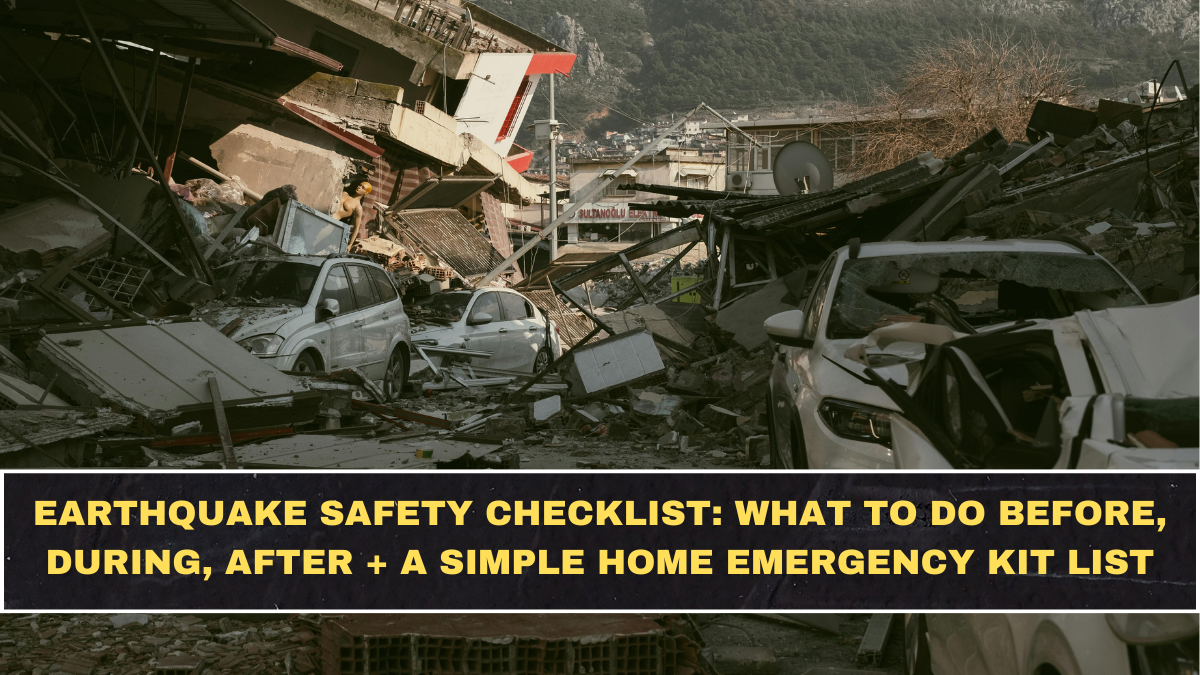
Earthquake-related searches spike suddenly because earthquakes do not arrive with warning, and panic usually comes from not knowing what to do in the moment. In 2026, awareness around disaster preparedness in India has improved, but most households are still underprepared in practical terms. Knowing theory is not the same as having habits that work under stress.
This earthquake safety checklist is designed to be calm, realistic, and usable for Indian homes. It focuses on actions that actually reduce injury and confusion, not dramatic advice that sounds good but fails in real situations. Earthquake safety is about preparation, correct reactions, and smart recovery steps, not fear.
Why Earthquake Preparedness Matters Even If You’ve Never Experienced One
Many people assume earthquakes only matter in high-risk zones, but tremors can affect wide areas unpredictably. Damage often comes from falling objects, panic-driven movement, and poor post-event decisions rather than the quake itself.
Prepared households react faster and safer because they already know what to do. This reduces injuries, protects children and elderly members, and prevents chaos during aftershocks.
In 2026, preparedness is no longer optional awareness; it is a basic life skill, especially in urban homes filled with furniture, appliances, and glass.
What to Do Before an Earthquake Happens
Preparation begins long before any tremor. Securing heavy furniture like cupboards, bookshelves, and wall-mounted TVs reduces the biggest injury risk during shaking.
Families should identify safe spots in each room, such as under sturdy tables or against interior walls away from windows. Practicing this mentally makes reaction automatic.
Equally important is communication planning. Everyone should know where to meet after the shaking stops and how to contact each other if networks are unstable.
How to React During an Earthquake
During an earthquake, the priority is protecting your head and staying where you are. Running during shaking causes more injuries than staying put.
The safest action indoors is to drop, cover, and hold on. Get low, take cover under sturdy furniture if available, and hold on until shaking stops.
Avoid doorways, windows, lifts, and staircases during the quake. Outdoors, move away from buildings, trees, and electric lines, and stay in an open area until movement ends.
What to Do Immediately After the Shaking Stops
Once shaking stops, pause and assess injuries before moving. Aftershocks are common and often arrive within minutes.
Turn off gas and electrical connections if you suspect leaks or damage. Avoid open flames and do not switch on electrical appliances until safety is confirmed.
Move carefully, watching for broken glass and unstable objects. If evacuation is required, use stairs and stay alert to surroundings.
Special Safety Tips for Children and Elderly Family Members
Children panic easily if adults appear confused. Calm instructions and physical reassurance reduce trauma and improve cooperation.
Elderly family members may have mobility issues, so identifying ground-floor safe areas and support assistance beforehand is essential.
Practicing simple instructions like “stay still” or “follow me” helps reduce chaos during real events.
A Simple Home Emergency Kit Everyone Should Have
An emergency kit does not need to be expensive or complicated. Essentials include drinking water, basic dry food, a torch with spare batteries, and a basic first-aid kit.
Important documents should be stored in waterproof covers or digital backups. A power bank, whistle, and basic medicines add practical value.
The kit should be accessible, not locked away, and checked periodically to replace expired items.
Common Mistakes People Make During Earthquakes
One major mistake is rushing outside during shaking, which increases injury risk from falling debris. Staying indoors in a safe spot is usually safer.
Another mistake is spreading unverified information after the quake, leading to panic. Rely on official instructions and avoid rumors.
Ignoring aftershocks is also dangerous. Many injuries occur after the main tremor due to complacency.
How Apartment and High-Rise Residents Should Prepare
High-rise residents face unique risks, especially related to lifts and evacuation timing. Knowing stair locations and emergency exits is crucial.
Emergency kits should be stored near exits if possible. Coordination with building management improves response quality.
Residents should understand that staying inside during shaking is safer than attempting to evacuate mid-event.
Mental Preparedness: Staying Calm Under Pressure
Panic leads to poor decisions. Simple breathing control and clear instructions help maintain focus.
Mentally rehearsing earthquake response reduces freeze reactions. Familiarity creates confidence even in unexpected situations.
Preparedness is as much psychological as it is physical.
Conclusion: Preparation Saves Lives, Panic Does Not
Earthquake safety is about readiness, not fear. A clear checklist, practiced habits, and a simple emergency kit dramatically reduce risk.
In 2026, households that invest a small amount of time in preparation protect themselves from confusion, injury, and long-term stress. Earthquakes cannot be prevented, but their impact can be managed.
Prepared families respond calmly, recover faster, and help others instead of adding to chaos.
FAQs
What is the safest place to stay during an earthquake?
Under sturdy furniture or against interior walls away from windows and heavy objects.
Should I run outside during an earthquake?
No, running during shaking increases injury risk. Stay indoors until shaking stops.
Are aftershocks dangerous?
Yes, aftershocks can cause further damage and injuries, so caution is necessary.
What should be in a basic earthquake emergency kit?
Water, dry food, first-aid supplies, torch, batteries, medicines, and important documents.
Is earthquake preparedness necessary in low-risk areas?
Yes, unexpected tremors can still cause damage, especially indoors.
How often should emergency kits be checked?
At least once every few months to replace expired items and ensure readiness.