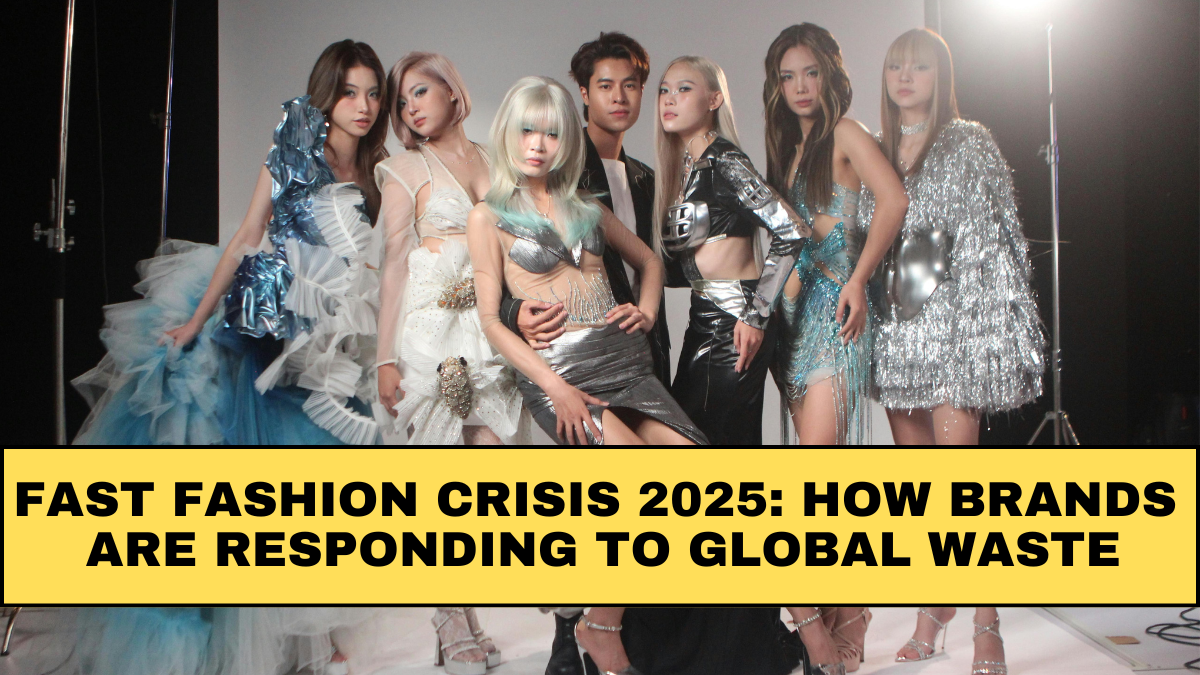
The fashion industry is facing increasing scrutiny in 2025 as Fast Fashion Crisis 2025 highlights the environmental impact of mass-produced clothing. With growing awareness of sustainability, consumers and regulators are pressuring brands to reduce waste, adopt recycling practices, and rethink production processes. The rapid turnover of cheap clothing has contributed to landfill overflow, resource depletion, and carbon emissions, forcing companies to act.
Fashion brands are now exploring innovative strategies to address waste. Initiatives include recycling old garments, using sustainable fabrics, and implementing circular fashion models that extend the lifecycle of clothing. Consumers are also becoming more conscious, opting for quality, longevity, and ethical production practices.
How Brands Are Tackling the Fast Fashion Crisis
Major fashion labels are integrating recycling programs to minimize waste. This includes take-back schemes, upcycling discarded items, and introducing lines made from recycled textiles. Sustainability-focused collections are becoming a marketing and ethical priority, aiming to balance profitability with environmental responsibility.
Additionally, some brands are using technology to track supply chains, reduce overproduction, and optimize inventory management. This reduces the number of unsold items that might otherwise end up in landfills. By combining innovation with consumer awareness, companies are slowly shifting toward more sustainable operations.
Consumer Awareness and Influence
Consumers play a critical role in mitigating the fast fashion crisis. Many are now supporting eco-friendly brands, buying second-hand clothing, and avoiding impulse purchases. Social media campaigns and documentaries on environmental damage are increasing public consciousness, further encouraging sustainable choices.
The trend of conscious consumption is not only benefiting the environment but also influencing how brands design, market, and sell clothing. Retailers are recognizing that long-term brand value increasingly depends on sustainability commitments.
Challenges and Opportunities
Despite progress, challenges remain. Sustainable materials are often more expensive, supply chains may not yet fully support recycling, and consumer habits are slow to change. However, the opportunities for innovation in sustainability, ethical practices, and brand differentiation are significant. Companies that embrace eco-conscious strategies can gain consumer loyalty and reduce environmental impact simultaneously.
Conclusion
Fast Fashion Crisis 2025 underscores the urgent need for sustainability in the clothing industry. Brands responding through recycling programs, eco-friendly fabrics, and circular fashion practices demonstrate that change is possible. As consumer awareness grows, businesses that prioritize the environment while maintaining quality and style will lead the transformation toward a greener fashion future.
FAQs
What is causing the fast fashion crisis in 2025?
Rapid production of cheap clothing, resource depletion, and large-scale waste are key contributors.
How are brands addressing sustainability?
Through recycling programs, eco-friendly materials, and circular fashion initiatives.
Can consumers help reduce fashion waste?
Yes, by buying less, choosing sustainable brands, and supporting second-hand or recycled clothing.
Are recycled fabrics widely used in fashion?
Usage is growing, but cost and supply chain limitations can restrict availability.
What is circular fashion?
A model where clothing is reused, recycled, or upcycled to extend its lifecycle and minimize waste.