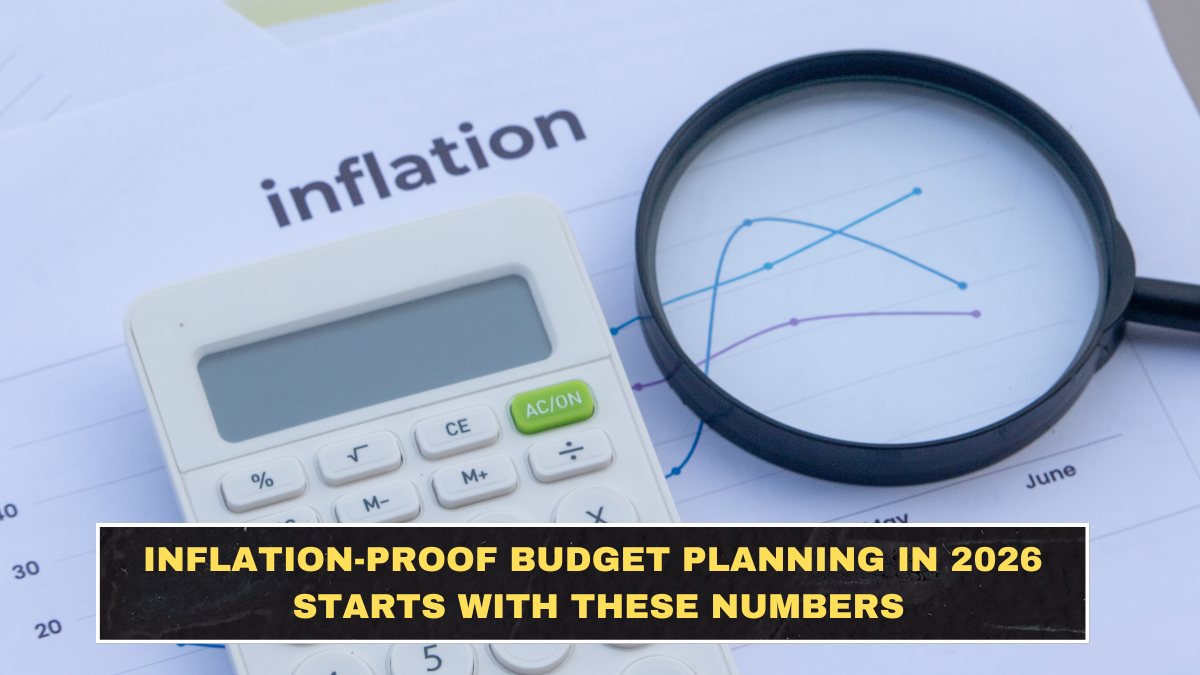
Budgeting in 2026 feels harder because prices are not calm enough for lazy planning. OECD headline inflation was 3.4% in February 2026, up slightly from 3.3% in January, while the New York Fed’s March survey showed U.S. one-year inflation expectations rising to 3.4% from 3.0%, with gasoline expectations jumping sharply. That tells you the obvious truth many households avoid: your old monthly budget may already be outdated.
The mistake most people make is building a budget as if prices are fixed. They are not. In 2026, energy, groceries, transport, insurance, and utility costs can move faster than income. A budget that survives this kind of year needs buffers, not wishful thinking.
Why does budget planning need to change in 2026?
Because inflation pressure is no longer just a headline. It is showing up in daily categories. The OECD said inflation stayed elevated at 3.4% across member countries in February 2026, while recent reporting linked higher near-term inflation expectations to energy prices. That means families cannot treat fuel, food, and essential bills as stable line items anymore.
A smarter budget in 2026 does one thing differently: it assumes some essentials will rise before your salary does. If you ignore that, your budget will fail the first time petrol spikes, rent resets, or groceries run over plan. That is not bad luck. That is bad preparation.
Which numbers should come first in an inflation-proof budget?
Start with four numbers: monthly take-home income, fixed essentials, variable essentials, and savings floor. Fixed essentials include rent, EMI, insurance, school fees, and subscriptions you truly need. Variable essentials include groceries, fuel, electricity, medicines, and transport. The savings floor is the minimum amount that moves out before lifestyle spending begins. In an unstable year, this number matters more than your entertainment budget.
| Budget item | Target approach in 2026 | Why it matters |
|---|---|---|
| Fixed essentials | Keep as low as possible | Hardest costs to cut later |
| Variable essentials | Add a 5% to 10% inflation buffer | These categories move fastest |
| Savings floor | Save first, not last | Prevents budget collapse after shocks |
| Lifestyle spending | Cap it tightly | This is where overspending usually hides |
This table is simple because most budgets fail from complexity, not lack of apps. If your variable essentials total ₹30,000 a month, a 5% to 10% inflation buffer means planning ₹31,500 to ₹33,000 instead of pretending last quarter’s number still works. That one adjustment alone makes your budget more realistic. The exact inflation rate will vary by country and category, but current 2026 data supports the need for a live buffer.
How should a monthly budget be structured now?
A good 2026 structure is not extreme. It is disciplined. First, cover essentials. Second, fund savings. Third, allow lifestyle spending only from what remains. If money is tight, cut optional subscriptions, impulse shopping, and convenience spending before touching emergency savings. Too many people do the reverse and then act surprised when one repair or medical bill knocks them out.
Use this simple order:
- Essentials
- Emergency fund or sinking fund
- Debt payments above minimums, if possible
- Discretionary spending
This order works because prices are still unpredictable. Reports this month show households in several markets already using savings to absorb rising living costs. That is exactly what happens when budgets leave no room for shocks.
What should people cut first when costs rise?
Cut spending that repeats without adding much value. That usually means unused subscriptions, frequent food delivery, brand-led shopping, and convenience habits that feel small but accumulate fast. Do not start by cutting insurance, skipping medicine, or draining savings. That is how people create a bigger future mess to solve a smaller present problem.
The hard truth is that many households do not have an income problem alone. They have a decision problem. They still spend like prices are stable and then call the result “cost-of-living pressure.” Some of it is pressure. Some of it is refusal to adjust. In 2026, both things can be true.
What makes this budget approach actually work?
It works because it accepts uncertainty instead of denying it. An inflation-proof budget is not one perfect spreadsheet. It is a monthly system with updated essentials, a small buffer, and non-negotiable savings discipline. If inflation or fuel costs cool later, good. The buffer becomes extra margin. If they do not, you are not scrambling.
FAQs
How much inflation buffer should a monthly budget have?
A practical starting point is 5% to 10% on variable essentials like groceries, fuel, and utilities. In 2026, recent inflation and energy data support building extra room into those categories.
Should savings still come first during rising living costs?
Yes. Even a small savings floor matters because households without buffers are forced to use debt or break long-term plans when costs jump unexpectedly.
What should be cut first in a tight budget?
Cut discretionary repeat spending first, especially subscriptions, convenience spending, and impulse purchases. Do not start by stripping away essential protection or emergency savings.
Why do budgets fail during inflation?
They fail because people budget with old numbers, ignore price volatility, and treat variable essentials as fixed costs. In 2026, that is a weak strategy.