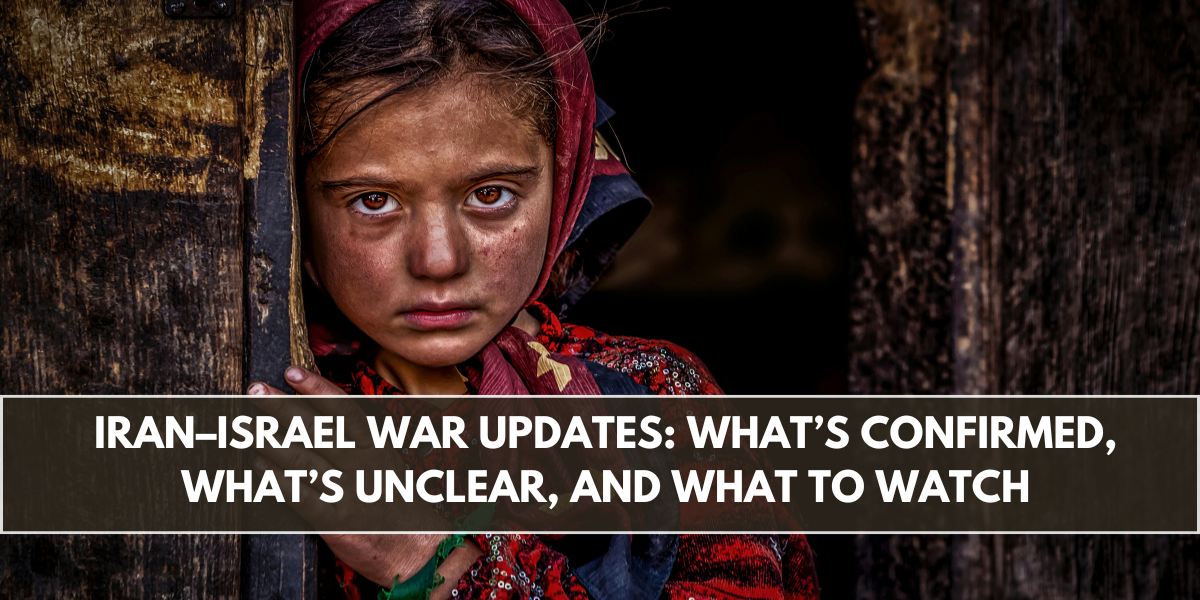
Searches related to the Iran–Israel conflict have surged as developments in West Asia continue to dominate global headlines. Tensions between Iran and Israel have existed for many years, but recent military developments, airstrike reports, and diplomatic reactions have pushed the issue back into the center of international news coverage. Governments, analysts, and media outlets are closely monitoring every update because the conflict has the potential to influence regional stability.
The situation is particularly important because both countries are major actors in the Middle East with significant military capabilities and regional alliances. When tensions escalate between them, it can affect multiple countries across the region and raise concerns about broader geopolitical consequences. This is why many readers are searching for clear explanations of what has actually been confirmed and what remains uncertain.
Timeline of Recent Developments
Recent updates related to the Iran–Israel conflict have often unfolded rapidly, with information emerging through official statements, military sources, and international media coverage. In situations like this, timelines become important because events can be reported in fragments before full confirmation becomes available.
Reports have included claims of airstrikes, military responses, and diplomatic statements from governments involved or affected by the situation. However, not every report circulating online is verified immediately. News agencies and international observers typically wait for confirmation from multiple sources before presenting developments as confirmed facts.
What Has Been Officially Confirmed
Confirmed information usually comes from official government announcements, military statements, or verified reporting from international news organizations. These sources provide details about military actions, diplomatic responses, and security updates that have been acknowledged by authorities.
When tensions rise between countries like Iran and Israel, governments also communicate through official channels such as foreign ministries, defense departments, or international organizations. These statements help clarify what actions have been taken and how each side is responding to the situation.
What Remains Unclear or Unverified
During fast-moving geopolitical situations, unverified claims can spread quickly across social media platforms and informal channels. These reports sometimes include speculation about military damage, casualty figures, or future military actions that have not yet been confirmed by reliable sources.
Because of this, analysts often advise readers to separate confirmed developments from speculation. Waiting for verification from trusted media organizations and official statements helps prevent the spread of misinformation and ensures that people understand the situation accurately.
Why the Conflict Matters Globally
The Iran–Israel conflict has implications that extend beyond the two countries directly involved. The Middle East is a region with complex alliances, strategic energy routes, and important international partnerships. Any escalation in tension can influence global markets, diplomatic relations, and regional security arrangements.
Countries around the world monitor these developments carefully because instability in the region can affect international trade, oil supply routes, and security cooperation between nations. Diplomatic efforts from global organizations and regional governments often focus on preventing further escalation.
What Analysts Are Watching Next
Observers and geopolitical analysts typically monitor several indicators when assessing how conflicts might evolve. These include military movements, official diplomatic statements, emergency meetings between international leaders, and reactions from regional allies.
Another important factor is the role of international diplomacy. When tensions rise, governments and international organizations sometimes engage in negotiations or mediation efforts designed to reduce the risk of further escalation. Monitoring these diplomatic signals can provide clues about whether tensions are increasing or moving toward de-escalation.
Conclusion
The Iran–Israel conflict remains one of the most closely watched geopolitical issues because of its potential impact on regional and global stability. As developments continue to unfold, distinguishing between confirmed updates and unverified claims becomes essential for understanding the situation clearly.
For readers following the story, relying on verified reporting and official statements helps ensure that information remains accurate. In rapidly evolving international situations, careful analysis and responsible reporting play an important role in helping the public understand what is actually happening.
FAQs
Why is the Iran–Israel conflict trending now?
Recent military developments, reports of airstrikes, and diplomatic reactions have pushed the long-standing tensions between Iran and Israel back into global news coverage.
Is there an official war between Iran and Israel?
The situation involves ongoing tensions and military incidents, but the exact characterization of events depends on official statements and international assessments.
Why is this conflict important globally?
The Middle East is strategically important for energy supply, international trade routes, and geopolitical alliances, which means regional tensions can affect global stability.
How can people follow reliable updates?
Following verified international news organizations and official government statements is the most reliable way to stay informed about developments.
Could the conflict expand further?
Analysts monitor diplomatic efforts, military activity, and regional responses to understand whether tensions are escalating or moving toward de-escalation.