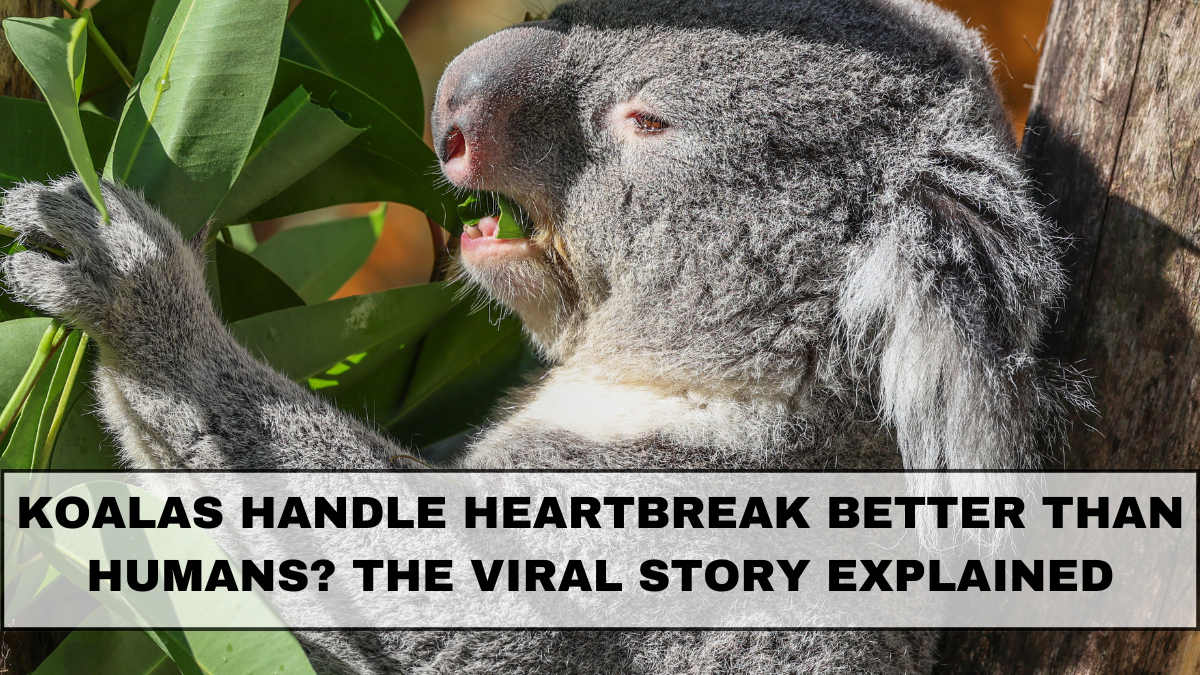
A heartwarming story has taken the internet by storm in India and globally: the claim that koalas handle heartbreak better than humans. This viral sensation spread across social media platforms, generating millions of likes, shares, and comments. But why did this particular story resonate so deeply, and what can it teach us about human emotions, animal behavior, and the viral nature of online content?
Koalas are known for their solitary and calm nature. Unlike humans, who may experience extended periods of emotional distress following heartbreak, koalas appear to have coping mechanisms that allow them to recover faster. While the story is simplified for social media, it sparked curiosity about animal emotions, empathy, and what humans can learn from observing wildlife.

Why the Koala Story Went Viral
The virality of the koala heartbreak story can be attributed to several factors:
-
Emotional resonance: People relate to heartbreak, and the idea that animals handle it better creates curiosity and hope.
-
Shareable content: The story is concise, intriguing, and paired with adorable koala images or videos, perfect for social media engagement.
-
Psychological relief: Comparing human struggles with animal behavior allows audiences to gain perspective, often leading to comforting or uplifting reactions.
-
Viral storytelling: Short narratives with anthropomorphic traits, like koalas “feeling heartbreak,” make content relatable and shareable.
In India, the story spread rapidly on Instagram, X, Facebook, and WhatsApp groups. Memes, video reactions, and discussion threads increased engagement, cementing the story as a trending topic.
What Scientists Say About Koala Emotions
While viral stories often exaggerate animal behavior, research into koala biology provides insight into why they appear to handle emotional stress differently:
1. Solitary lifestyle:
Koalas are naturally solitary animals. Unlike social species that rely heavily on group interactions, koalas are adapted to thrive alone, reducing social stress when bonds are broken.
2. Low-stress physiology:
Koalas have a unique metabolism and lifestyle that keeps cortisol (stress hormone) levels lower than many mammals, which may help them recover from disruptions or losses more quickly.
3. Energy conservation:
Koalas sleep up to 20 hours a day and spend much of their time resting. This energy-efficient lifestyle allows them to avoid prolonged emotional responses and focus on survival rather than prolonged emotional rumination.
4. Adaptive behavior:
Their natural response to environmental challenges, including habitat disruption or mate loss, is typically behavioral adaptation rather than emotional expression, making them appear “resilient” to human observers.
This scientific perspective helps explain why the idea of koalas handling heartbreak better than humans struck a chord with the public.
Human Reactions and Social Media Trends
The viral koala story tapped into human emotions, inspiring both amusement and reflection:
-
Memes and relatable content: Users created jokes comparing their own heartbreaks to the calm lives of koalas.
-
Empathy-driven posts: Posts encouraged viewers to learn from koalas’ “resilience,” promoting mental wellness and coping strategies.
-
Animal fandom engagement: Wildlife enthusiasts leveraged the story to educate people about koala conservation and biology.
-
Global relevance: Even outside India, the story trended, proving the universal appeal of cute animals paired with emotional storytelling.
Social media reactions also showed that people enjoy seeing animals personified with human traits, creating a sense of emotional connection and shared experience.
Lessons Humans Can Learn from Koalas
Beyond viral entertainment, the story prompted meaningful discussion about human emotional habits and coping mechanisms:
1. Prioritize self-care:
Koalas’ calm routines remind humans of the importance of rest, self-nurturing, and minimizing stress during emotional challenges.
2. Accept solitude:
Learning to enjoy time alone can improve emotional resilience and independence.
3. Focus on energy conservation:
Instead of dwelling excessively on heartbreak, focusing on daily routines and small joys, similar to how koalas conserve energy, can promote recovery.
4. Perspective on stress:
Observing animals like koalas can provide perspective on how humans overcomplicate emotional experiences.
The koala story encourages viewers to rethink how they process emotions and seek balance in daily life.
Why Animals Are Often Used in Viral Emotional Stories
The koala example is part of a broader trend of using animals to convey emotional lessons online. Audiences are drawn to:
-
Relatable narratives: Animals anthropomorphized to reflect human experiences.
-
Visual appeal: Cute, cuddly images increase engagement and virality.
-
Educational potential: Animal stories often spark interest in biology and conservation.
-
Positive emotions: Uplifting stories counterbalance negative news cycles, making them more shareable.
Such content blends education, humor, and emotional resonance, creating a recipe for virality that is hard to ignore.
Conclusion
The viral koala heartbreak story shows how easily simple, emotionally charged narratives can capture global attention. While humans experience complex emotional responses to heartbreak, koalas’ calm, solitary, and energy-efficient lifestyle offers a fascinating comparison. Beyond entertainment, this trend encourages reflection on resilience, mental well-being, and learning from nature.
As Koalas Handle Heartbreak Better Than Humans circulated across India, it became clear that viral stories resonate most when they combine cute visuals, emotional relatability, and shareable content. From social media laughs to deeper lessons about coping strategies, this story proved that even a small marsupial can teach humans a lot about emotional balance.
FAQs
Why did the koala heartbreak story go viral in India?
It went viral because it combined adorable visuals, relatable emotional content, and shareable storytelling, sparking curiosity and empathy.
Do koalas really experience heartbreak like humans?
No, koalas do not feel heartbreak as humans do. The story simplifies their natural behavior, which appears calm and resilient.
What can humans learn from koalas about handling emotions?
Humans can learn to prioritize rest, embrace solitude, conserve energy, and maintain perspective during emotional challenges.
How are viral animal stories created online?
They typically use anthropomorphized narratives, engaging visuals, humor, and emotional relatability to encourage shares and discussions.
Are koalas’ emotional behaviors studied scientifically?
Yes, scientists study koalas’ solitary lifestyle, stress levels, and behavioral adaptations to understand how they respond to environmental and social changes.