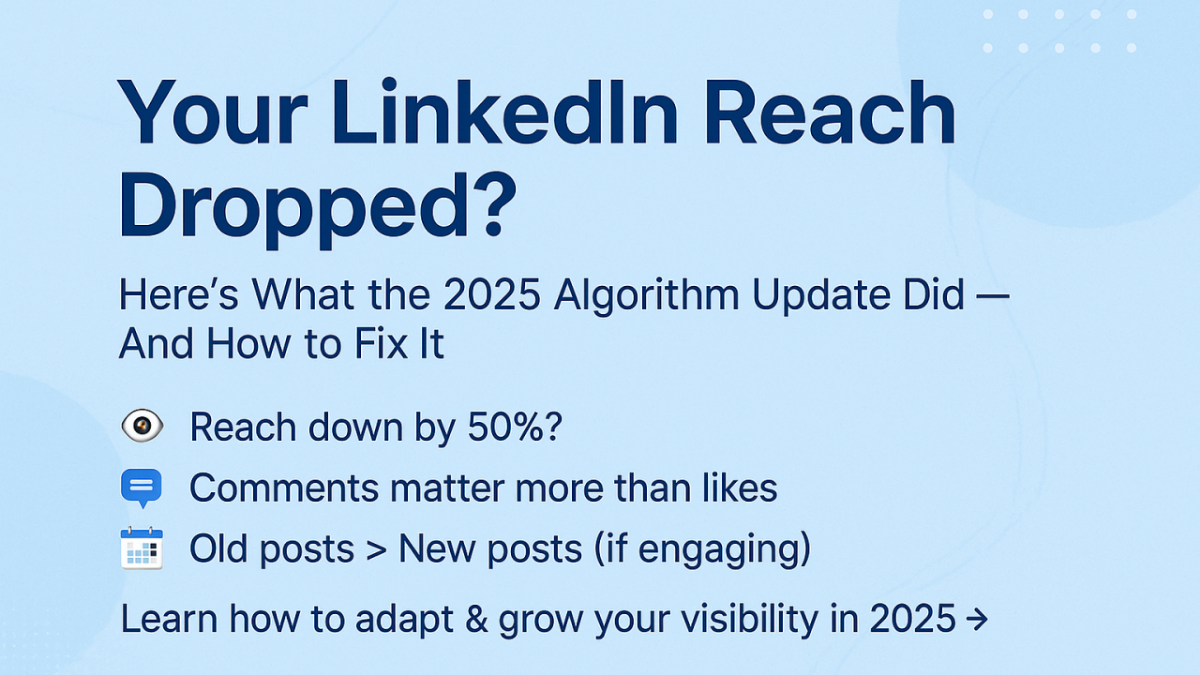
The LinkedIn engagement drop in 2026 is no longer anecdotal—it’s measurable. Posts that once generated thousands of impressions now struggle to break triple digits. Even long-established creators, founders, and so-called “thought leaders” are reporting sudden declines in reach, reactions, and comments.
What makes this more alarming is consistency. The drop isn’t limited to one niche, one format, or one region. It’s systemic. And the data confirms what creators have been feeling quietly for months.
What the LinkedIn Engagement Drop Actually Looks Like

The decline isn’t subtle.
Creators are seeing:
• 50–80% lower impressions
• Fewer comments even on strong posts
• Reactions clustered in the first hour only
• Posts dying completely after initial test
The LinkedIn engagement drop feels sudden because it is. Reach now collapses fast if early signals don’t spike.
Why Reach Analytics Changed in 2026
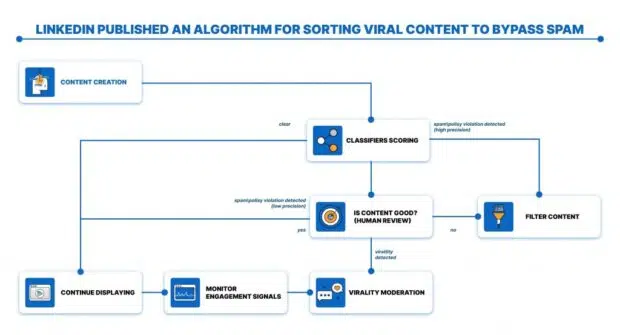
LinkedIn quietly adjusted how content is distributed.
Key shifts include:
• Heavier weighting on first-hour engagement
• Reduced organic reach for text-only posts
• Preference for conversation-triggering formats
• Faster content decay
The platform is optimizing for interaction density, not value depth—fueling the LinkedIn engagement drop.
Why Even Thought Leaders Are Losing Reach

Authority no longer guarantees visibility.
Why established accounts are hit:
• Follower count matters less than activity
• Passive followers reduce average engagement
• Repetitive formats get deprioritized
• Audiences scroll faster, react less
The algorithm rewards momentum—not reputation.
How the Algorithm Penalizes “Safe” Content
Ironically, professionalism is hurting performance.
Content that now underperforms:
• Generic motivation
• Polished corporate updates
• Overly cautious opinions
• Predictable storytelling formats
The LinkedIn engagement drop reflects a platform bored with its own tone.
Why Video and Carousels Aren’t a Guaranteed Fix
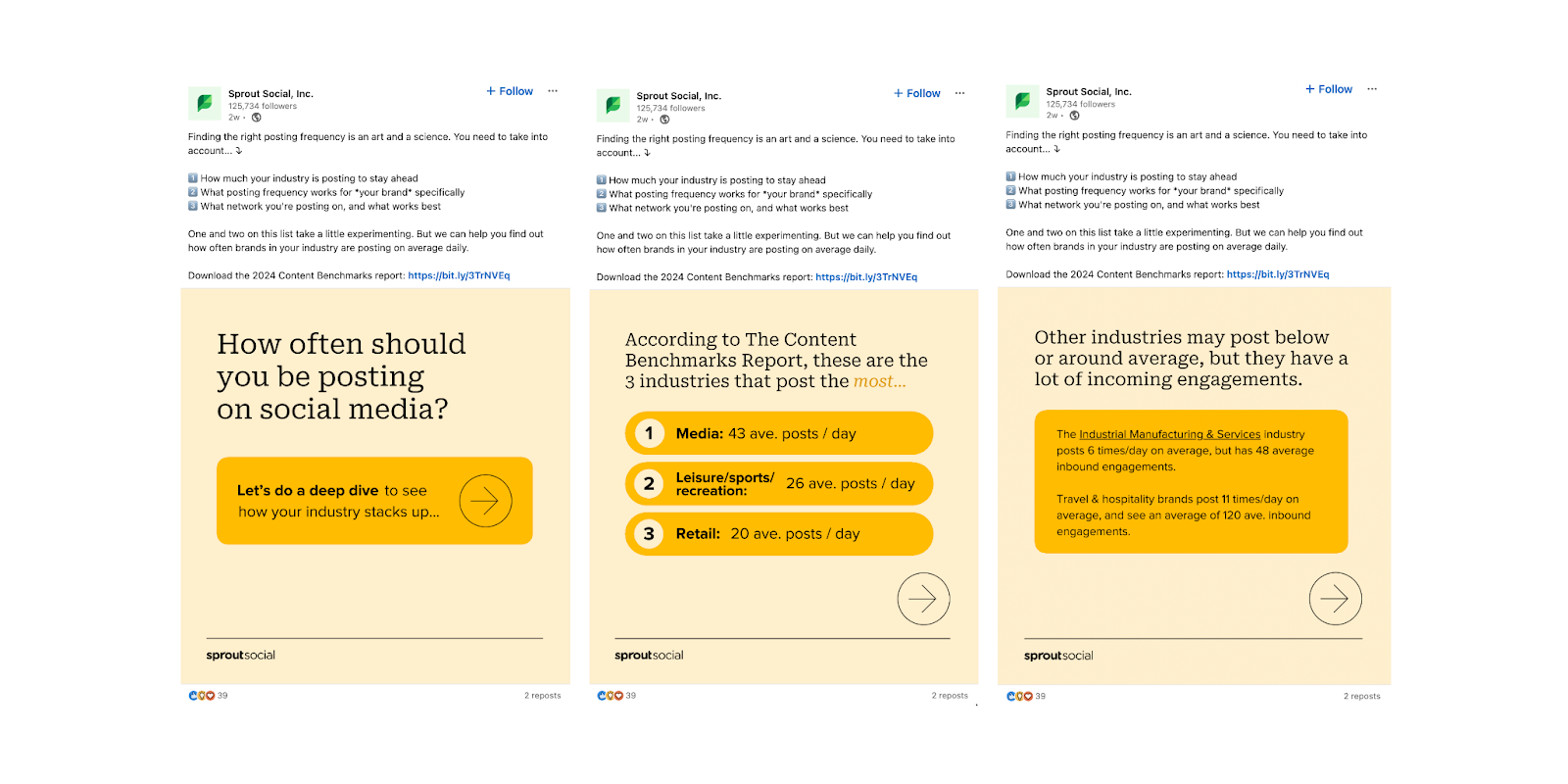
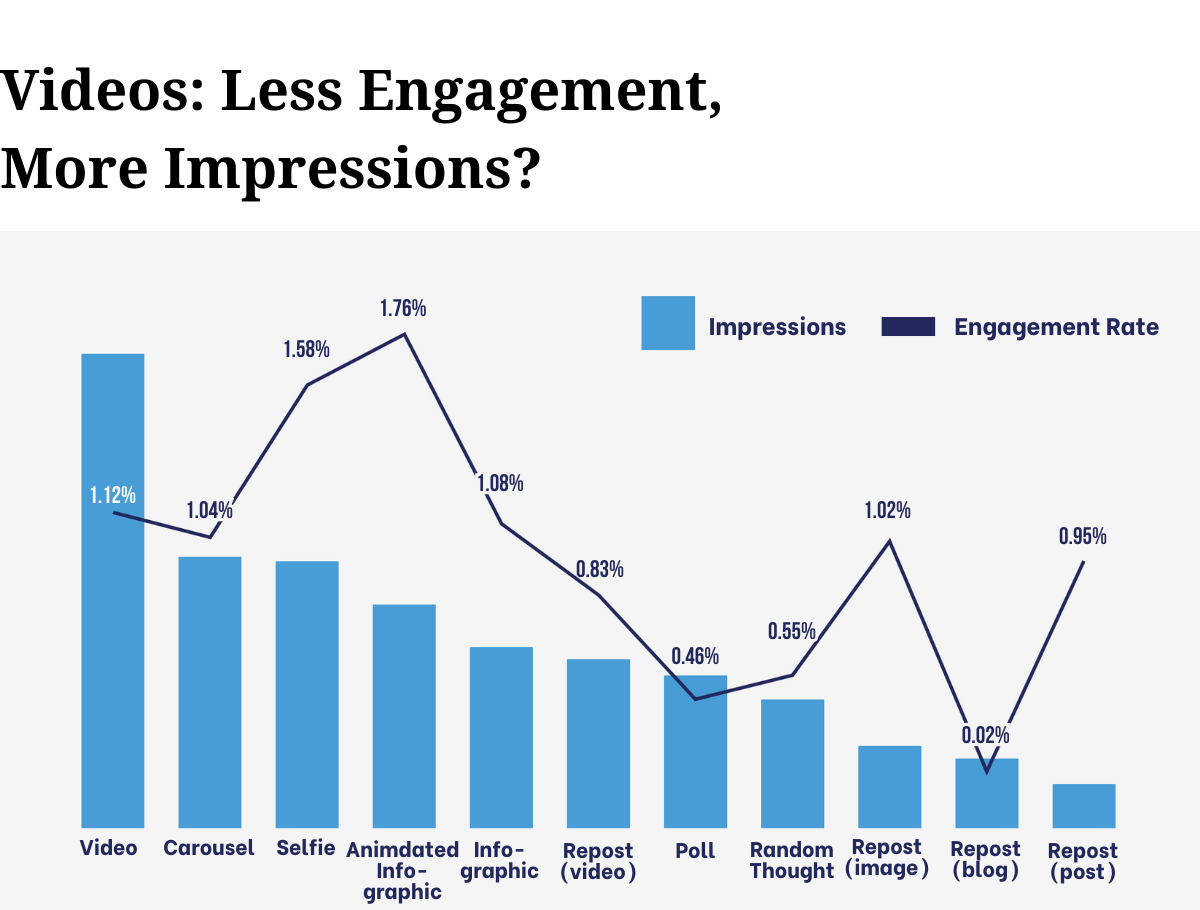
Switching formats helps—but doesn’t solve the core issue.
Problems persist because:
• Too many creators switched at once
• Feeds became visually repetitive
• Engagement expectations rose
Format changes without substance don’t reverse the LinkedIn engagement drop.
Audience Fatigue Is a Bigger Factor Than Algorithm Alone
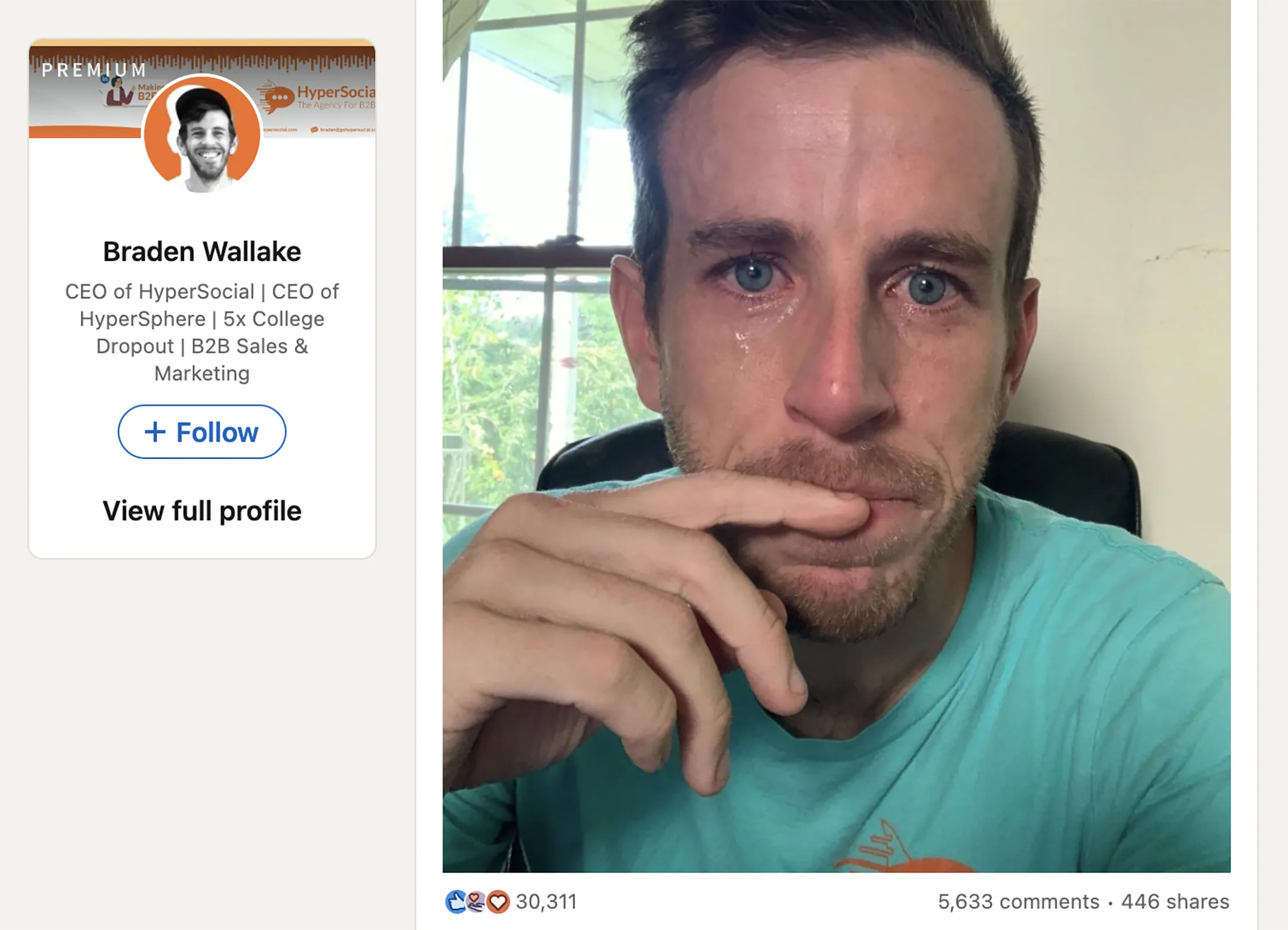
Users aren’t just scrolling less—they’re reacting less.
Reasons include:
• Content sameness
• Hustle-culture overload
• Performative vulnerability fatigue
• Reduced novelty
When audiences disengage emotionally, algorithms follow.
How Creators Are Adapting Their Strategy
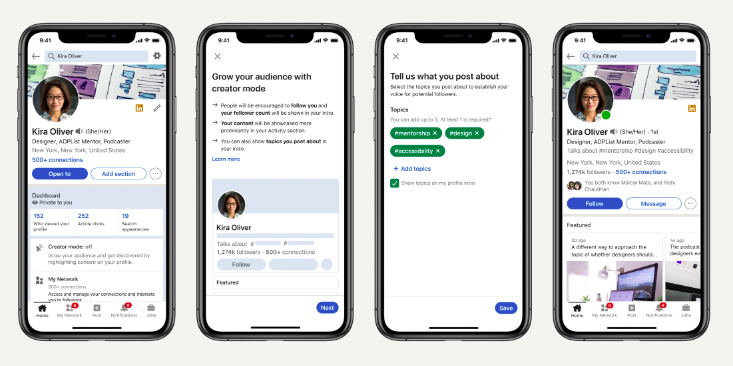
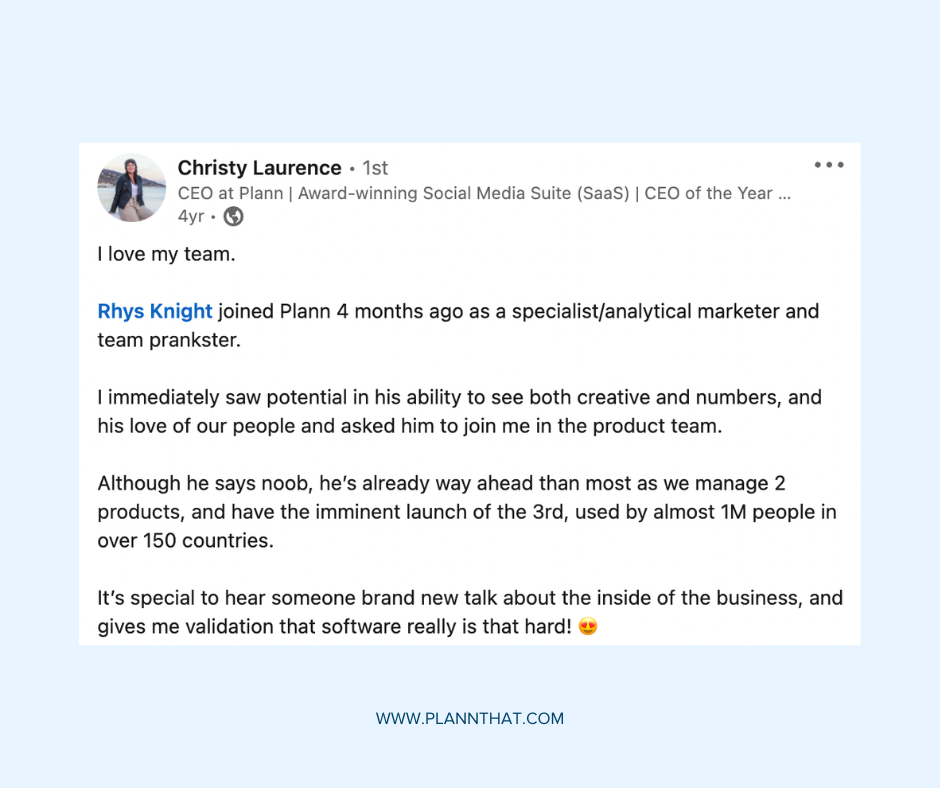
Creators responding well to the LinkedIn engagement drop are changing behavior—not chasing hacks.
Effective shifts:
• Posting less, but sharper
• Sharing unpopular but honest takes
• Asking fewer forced questions
• Writing for humans, not reach
Depth is replacing frequency.
Why LinkedIn Won’t Acknowledge the Drop Publicly
atforms rarely admit decline—it weakens confidence.
LinkedIn avoids:
• Public algorithm explanations
• Engagement benchmarks
• Creator guarantees
Silence keeps expectations vague—and pressure on creators high.
What This Means for Professional Visibility
The LinkedIn engagement drop forces a rethink.
New realities:
• Reach is no longer reliable
• Personal brands need diversification
• Email, communities, and IRL matter more
• LinkedIn is amplification—not foundation
Those who adapt early stay visible.
Conclusion
The LinkedIn engagement drop in 2026 is real, measurable, and structural. Algorithms changed, audiences tired, and safe content stopped working. This isn’t a temporary slump—it’s a recalibration.
Creators who cling to old playbooks will feel invisible. Those who evolve—toward honesty, restraint, and depth—will still be heard. Just not as loudly, or as easily, as before.
FAQs
Is LinkedIn engagement really declining in 2026?
Yes. Analytics across creators show consistent drops in reach and interaction.
Are thought leaders affected too?
Yes. Authority no longer guarantees distribution.
Does changing formats fix the issue?
Only partially. Substance matters more than format now.
Why won’t LinkedIn explain the changes?
Platforms rarely disclose algorithm shifts publicly to retain flexibility.
How can professionals stay visible despite the drop?
By diversifying platforms and focusing on meaningful, authentic content.
Click here to know more.