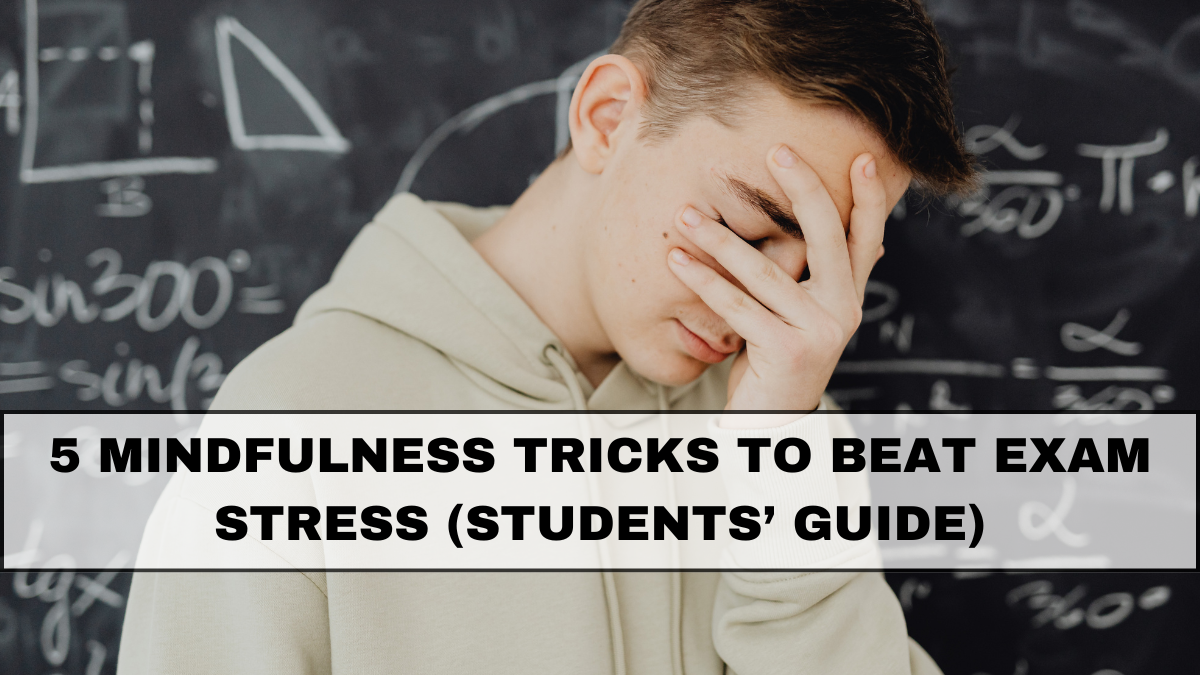
Exam season is a stressful period for students across India. From board exams to university tests, anxiety, tension, and mental fatigue can negatively impact performance. With rising awareness of mental health in education, students are turning to mindfulness techniques to reduce stress, improve focus, and maintain calm. Mindfulness isn’t just a buzzword—it’s a proven method to manage exam-related anxiety and support better academic performance.
The following mindfulness strategies are simple, practical, and can be integrated into daily routines to help students feel more centered during their study sessions and exams.

1. Controlled Breathing Exercises
Breathing exercises are the foundation of mindfulness. They calm the nervous system, reduce cortisol levels, and help students regain focus instantly. Some effective techniques include:
-
Box Breathing: Inhale for 4 seconds, hold for 4, exhale for 4, hold for 4. Repeat for a few minutes.
-
4-7-8 Breathing: Inhale for 4 seconds, hold for 7, exhale for 8. Helps reduce anxiety quickly.
-
Deep Belly Breathing: Place hands on the abdomen, inhale deeply through the nose, exhale slowly.
Practicing these exercises before starting study sessions or right before exams helps students remain calm and attentive.
2. Mindful Study Breaks
Students often underestimate the power of short, intentional breaks. Mindful breaks refresh the mind, reduce stress, and enhance retention:
-
Step away from books for 5–10 minutes
-
Stretch, walk, or do light physical activity
-
Focus on sensory experiences—notice sounds, sights, or scents around you
-
Avoid phone scrolling to prevent distraction
By observing the present moment during breaks, students recharge and return to studying with renewed concentration.
3. Visualization Techniques
Visualization is a mindfulness method that involves mentally rehearsing success and calming scenarios. It improves confidence and reduces exam-related panic:
-
Close your eyes and imagine sitting calmly in the exam hall
-
Visualize reading questions, recalling answers, and completing the test confidently
-
Picture achieving your desired result and feeling satisfied
This technique conditions the mind to respond calmly under pressure and reduces negative thoughts that trigger stress.
4. Progressive Muscle Relaxation
Stress often manifests physically, causing tension in the neck, shoulders, and back. Progressive muscle relaxation (PMR) helps students release physical stress:
-
Sit or lie comfortably
-
Tense one muscle group at a time (e.g., fists, shoulders, calves) for 5–10 seconds
-
Release the tension slowly while focusing on the sensation
-
Repeat for all major muscle groups
PMR not only relieves tension but also increases body awareness, promoting a sense of calm during exams.
5. Mindful Journaling and Affirmations
Writing down thoughts and using positive affirmations are simple ways to manage exam stress:
-
Keep a journal to note worries, fears, and study progress
-
End each entry with affirmations like “I am prepared,” “I can handle this,” or “I remain calm under pressure”
-
Reflect on past successes to boost confidence
Mindful journaling helps students process emotions, reduce racing thoughts, and reinforce a positive mindset.
Incorporating Mindfulness Into Daily Study Routines
Consistency is key for mindfulness to work effectively. Students can integrate these strategies into their daily schedules:
-
Begin study sessions with 5 minutes of breathing
-
Take mindful breaks every 60–90 minutes
-
Use visualization techniques before mock tests or exams
-
Practice PMR in the evening to unwind
-
Maintain a short daily journal to track progress and reflect on emotions
Even small, regular mindfulness practices can lead to significant reductions in anxiety and better academic performance.
Why Mindfulness Helps Students During Exams
Mindfulness improves cognitive function, attention span, and emotional regulation. Research shows that students who practice mindfulness experience:
-
Lower anxiety levels
-
Increased focus and memory retention
-
Reduced negative self-talk
-
Better sleep quality during stressful periods
-
Improved overall mental wellbeing
These benefits explain why mindfulness for exam stress is becoming a popular technique among Indian students.
FAQs
What is mindfulness for students?
Mindfulness is the practice of being fully present, aware of your thoughts, emotions, and surroundings without judgment. For students, it helps manage stress and improve focus.
How long should I practice mindfulness each day?
Even 10–15 minutes of daily practice, including breathing exercises or journaling, can significantly reduce exam anxiety.
Can mindfulness improve exam performance?
Yes. By reducing stress and improving focus, mindfulness can help students recall information better and perform confidently.
Are these techniques suitable for all age groups?
Absolutely. Breathing exercises, visualization, and mindful breaks are safe for school, college, and even competitive exam students.
How soon can I see results?
Many students notice a calming effect immediately, while consistent practice over a few weeks can significantly reduce anxiety and improve focus.
Can I combine mindfulness with other study strategies?
Yes. Mindfulness works best when paired with organized study plans, regular breaks, and healthy sleep habits.
Do I need special tools for mindfulness practice?
No tools are necessary. Basic exercises like breathing, visualization, and journaling only require time, focus, and a calm space.
Click here to know more.