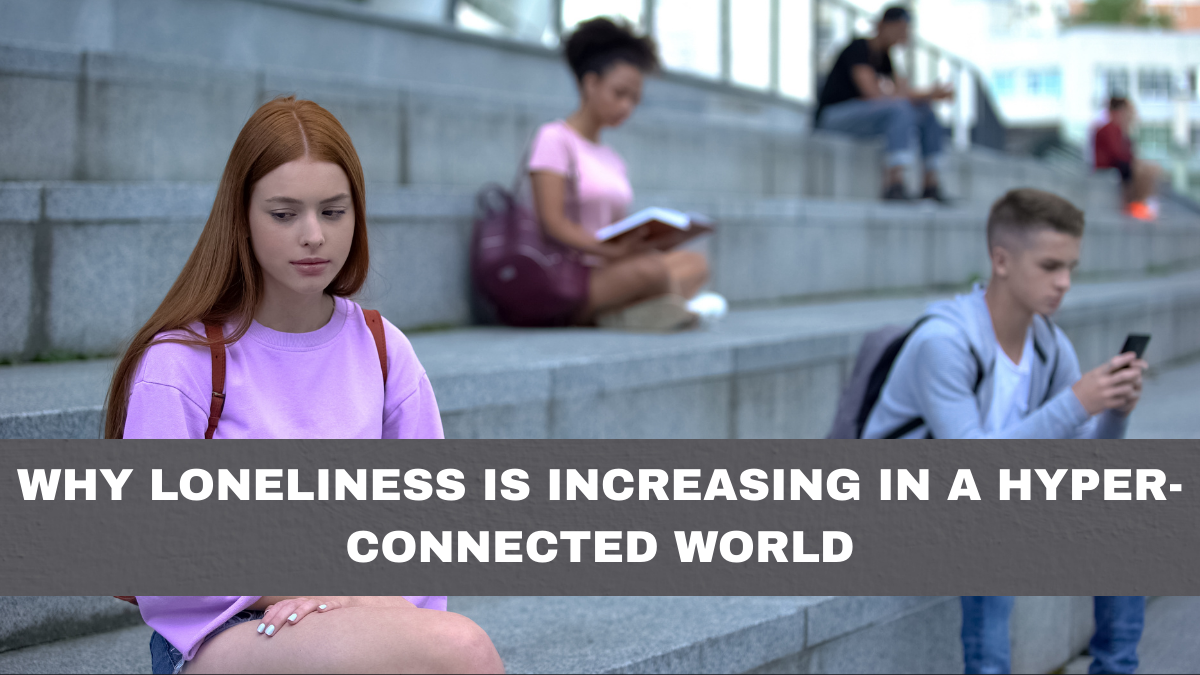
At no point in history have people been more connected—and yet, modern loneliness is rising across age groups, cultures, and lifestyles. Friends are one message away. Communities exist for every interest. Conversations never fully stop. Still, more people describe feeling isolated, unseen, and emotionally disconnected. This isn’t a contradiction. It’s a consequence of how connection has changed.
Loneliness today doesn’t come from being alone. It comes from being surrounded by interaction that lacks depth. Social isolation has evolved, hiding inside constant digital life rather than physical separation.
Why Connection Feels Different Now
Modern connection is fast, frequent, and fragmented. It prioritizes availability over presence.
Today’s interactions often involve:
• Short messages instead of conversations
• Reactions instead of responses
• Visibility instead of intimacy
• Performance instead of vulnerability
These shifts create the illusion of connection without the emotional substance that reduces loneliness.
The Difference Between Interaction and Belonging
Interaction satisfies the brain briefly. Belonging satisfies the nervous system.
Modern loneliness grows when:
• Conversations lack emotional risk
• Relationships stay surface-level
• People feel replaceable
• Attention feels divided
Digital life increases interaction but often weakens belonging.
How Digital Life Encourages Social Comparison
Social platforms constantly expose people to curated versions of others’ lives. This creates silent comparison—even when users know content is edited.
Comparison leads to:
• Feeling behind socially
• Questioning self-worth
• Withdrawing emotionally
• Avoiding authenticity
Over time, social isolation increases—not because people are alone, but because they feel different.
Why Vulnerability Feels Riskier Now
True connection requires vulnerability. But modern environments reward polish, not honesty.
People hesitate to open up because:
• Screens remove emotional cues
• Messages can be misinterpreted
• Vulnerability feels permanent online
• Social risk feels amplified
When vulnerability decreases, loneliness increases—even in groups.
Busy Schedules, Shallow Bonds
Modern life is optimized for efficiency, not connection. Relationships get squeezed between responsibilities.
This leads to:
• Infrequent deep conversations
• Cancelled plans without repair
• Relationships maintained out of habit
Busyness replaces closeness, and social isolation quietly grows.
The Decline of Shared Physical Spaces
Many communal spaces that once encouraged casual connection are disappearing or becoming transactional.
Loss of:
• Neighborhood hangouts
• Informal gatherings
• Shared routines
Digital life fills the gap—but without the emotional grounding of physical presence.
Why Loneliness Feels Hard to Admit
Admitting loneliness feels like personal failure in a world that equates connection with success.
People stay silent because:
• They appear socially active
• They fear being judged
• They don’t want pity
This silence makes modern loneliness harder to detect—and address.
How Loneliness Affects Mental Health
Chronic loneliness isn’t just emotional—it’s physiological.
Long-term effects include:
• Increased anxiety
• Depressive symptoms
• Sleep disruption
• Reduced immune function
Social isolation impacts the body as much as the mind.
Why Constant Communication Doesn’t Fix Loneliness
More messages don’t equal more meaning. In fact, constant low-quality communication can increase exhaustion.
This happens because:
• Emotional needs go unmet
• Conversations lack resolution
• Attention feels fragmented
Connection without depth often leaves people feeling emptier than silence.
What Actually Reduces Loneliness
Loneliness doesn’t require more people—it requires more realness.
What helps:
• Fewer, deeper relationships
• Regular, unstructured conversations
• Shared experiences
• Emotional honesty
Quality consistently beats quantity.
Relearning How to Connect
Reducing modern loneliness means relearning skills that digital life weakened.
This includes:
• Listening without multitasking
• Showing up consistently
• Allowing emotional imperfection
• Valuing presence over performance
Connection isn’t optimized—it’s practiced.
Conclusion
Modern loneliness exists not because people are disconnected—but because connection has become thinner. Social isolation now hides inside busy schedules, curated lives, and constant digital noise. The solution isn’t to disconnect entirely—it’s to reconnect differently.
Depth, vulnerability, and presence still work. They’ve just become rarer. And rarity is exactly what makes them powerful.
FAQs
Why is modern loneliness increasing despite social media?
Because social media increases interaction but often reduces emotional depth and belonging.
Is loneliness the same as being alone?
No. Loneliness is about unmet emotional connection, not physical isolation.
How does digital life contribute to social isolation?
By fragmenting attention, encouraging comparison, and reducing vulnerability.
Can someone feel lonely with many friends?
Yes. Loneliness depends on emotional connection, not social quantity.
What helps reduce loneliness long-term?
Consistent, honest relationships with emotional depth and shared presence.
Click here to know more.