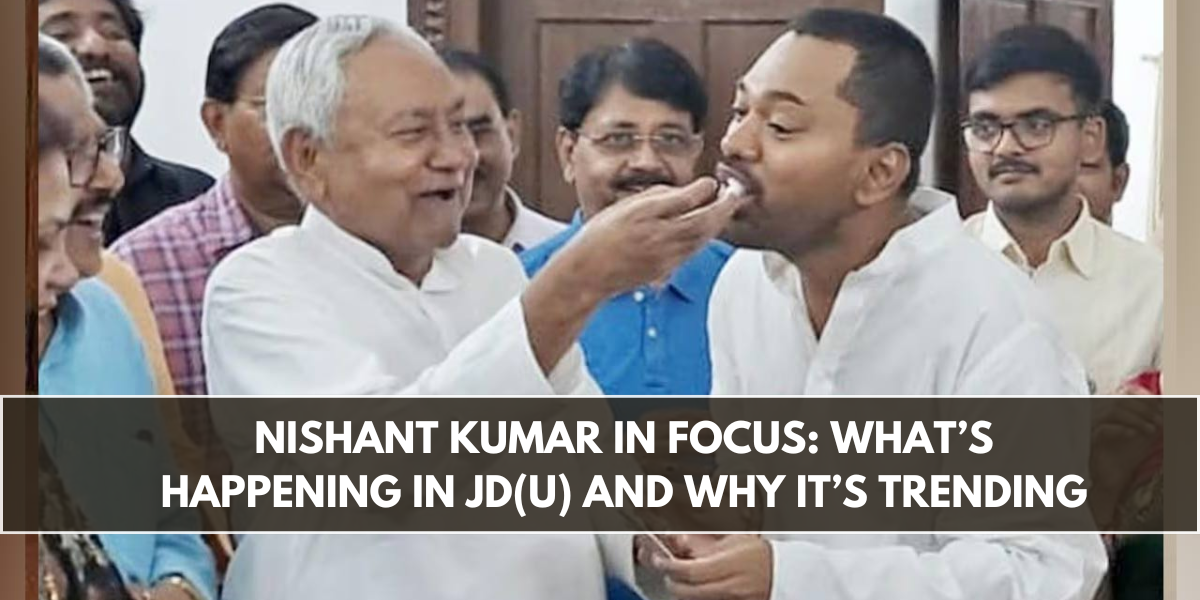
Search interest around Nishant Kumar, the son of Bihar Chief Minister Nitish Kumar, has increased as political observers discuss possible leadership transitions within the Janata Dal (United), or JD(U). Although Nishant Kumar has largely stayed away from active politics for many years, his name occasionally appears in political discussions whenever speculation about succession or future leadership within the party emerges.
The renewed attention comes from debates within political circles about the long-term direction of JD(U). Nitish Kumar has been one of the most influential leaders in Bihar politics for decades, and conversations about what happens after his leadership naturally attract interest from supporters, analysts, and journalists. As a result, any mention of Nishant Kumar in relation to the party often becomes a trending topic.
Who Nishant Kumar Is
Nishant Kumar is the only son of Nitish Kumar, the veteran political leader who has served multiple terms as the Chief Minister of Bihar. Despite his father’s long and prominent career in politics, Nishant Kumar has generally maintained a private life and has not actively participated in political campaigns or party activities.
This distance from the political spotlight has made him a relatively low-profile public figure compared with the children of some other political leaders in India. However, because he belongs to one of the most prominent political families in Bihar, his name occasionally resurfaces in discussions about the future leadership of the JD(U).
Why Succession Discussions Are Happening
Political parties often face questions about succession when long-serving leaders approach later stages of their careers. In such situations, observers begin speculating about who might take over leadership roles or guide the party in the future. These discussions are not always based on confirmed plans but rather on political analysis and public curiosity.
In the case of JD(U), Nitish Kumar’s long political career and central role in the party naturally lead to questions about its long-term leadership structure. Because Nishant Kumar is his son, some political commentators occasionally mention his name while discussing possible future scenarios, even though he has not formally entered politics.
Has Nishant Kumar Entered Politics?
As of now, Nishant Kumar has not officially entered active politics or taken on any leadership role within the JD(U). He has generally stayed away from public political life, and there has been no confirmed announcement suggesting that he intends to contest elections or assume a formal position within the party.
This distinction is important because political speculation often spreads quickly, especially during periods when discussions about leadership transitions become more frequent. Without official statements from the party or Nishant Kumar himself, such conversations remain part of broader political commentary rather than confirmed developments.
How Political Families Influence Public Debate
In Indian politics, the families of prominent leaders often attract attention because political influence can extend across generations. Several major political parties in India have seen leaders from the same family hold positions of authority over time. This history naturally leads to speculation whenever the relatives of well-known politicians appear in public discussions.
However, every political situation is different. Some individuals from political families actively pursue public office, while others prefer to remain outside the political arena. Because Nishant Kumar has mostly maintained a private profile, discussions about his potential political role remain speculative rather than based on any official development.
What This Means for JD(U) Politics
The focus on Nishant Kumar reflects broader interest in the future direction of JD(U) and Bihar’s political landscape. Leadership discussions often emerge in regional politics as parties think about long-term strategies and generational changes. These conversations can influence how observers interpret political signals from party leadership and alliances.
At the same time, political parties usually manage leadership transitions through internal processes that involve senior members, organizational structures, and electoral considerations. Until clear announcements are made, public speculation remains part of political analysis rather than confirmed plans.
Conclusion
The growing attention around Nishant Kumar highlights how political discussions often expand beyond current officeholders to include potential future leaders. As the son of Nitish Kumar, his name occasionally appears in debates about the future of JD(U), even though he has not taken an active role in politics.
For now, the discussions largely reflect curiosity about the long-term direction of Bihar’s political leadership rather than any confirmed change within the party. Observers will likely continue to watch how the political landscape evolves and whether new leadership figures emerge in the coming years.
FAQs
Who is Nishant Kumar?
Nishant Kumar is the son of Bihar Chief Minister Nitish Kumar. He has mostly maintained a private life and has not actively participated in politics.
Why is Nishant Kumar trending in the news?
His name has been appearing in political discussions about the future leadership of the JD(U) party and possible succession scenarios.
Has Nishant Kumar joined JD(U) politics?
No official announcement has confirmed that Nishant Kumar has entered active politics or taken a formal role within the party.
Is Nishant Kumar expected to contest elections?
There has been no confirmed information suggesting that he plans to contest elections at this time.
Why do political families attract attention in India?
Because several political leaders in India come from established political families, discussions about future leadership often include their relatives, even if they are not currently active in politics.