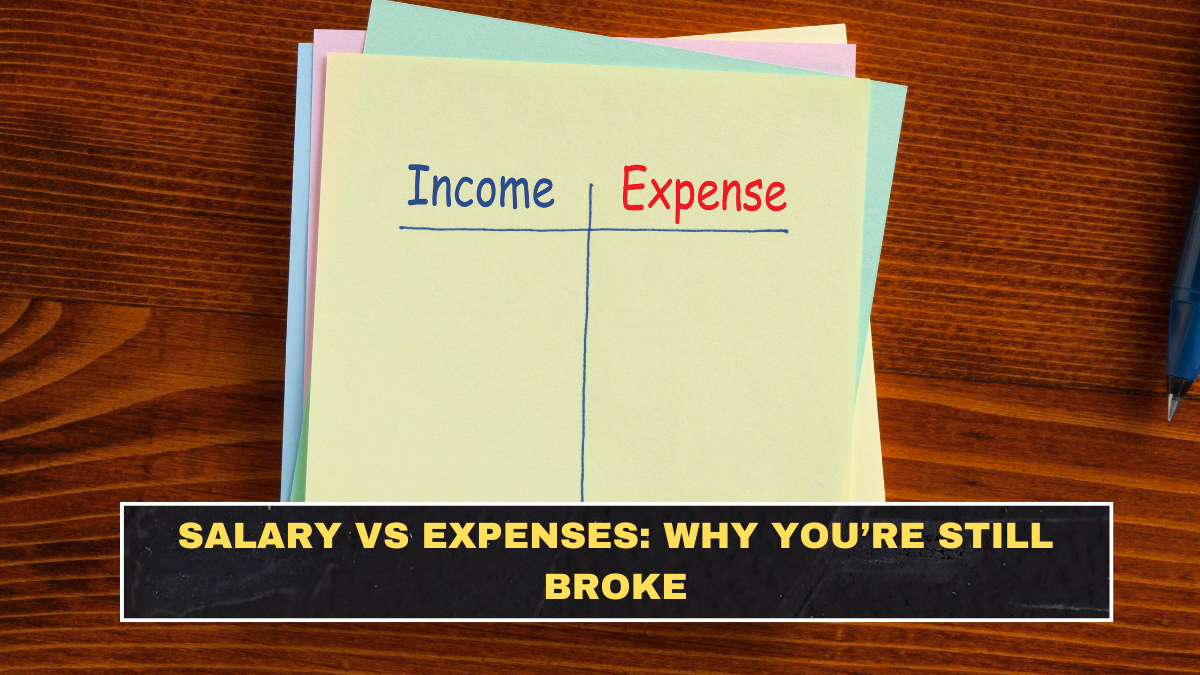
You got a salary hike… but your bank balance still looks the same.
More income, same stress, and somehow even less savings—that’s confusing, right?
Here’s the uncomfortable reality: your salary didn’t fail you—your system did. And if you don’t understand where your money is actually going, no amount of income increase will fix your financial situation.
Why This Matters
Most people believe earning more money will solve their financial problems. But in reality, expenses grow faster than income if they are not controlled.
This creates a cycle where every salary increase feels temporary. You earn more, you spend more, and you’re back to the same situation again. That’s why many middle-class families feel stuck despite working harder and earning more over time.
Main Explanation
Let’s explain this in the simplest way.
Imagine your salary is like a bucket of water. Every month, money comes in. But your expenses are like small holes in that bucket.
Now here’s the problem.
When your salary increases, you don’t fix the holes—you just pour more water. But at the same time, new holes appear:
-
Better lifestyle
-
More subscriptions
-
Higher rent
-
More spending habits
So even though more money is coming in, it keeps leaking out.
This is called lifestyle inflation.
Your expenses increase with your income, so you never feel richer.
Table: Where Your Salary Actually Goes
| Expense Type | Example | Why It Increases |
|---|---|---|
| Fixed expenses | Rent, EMI | Usually rises over time |
| Variable expenses | Food, fuel | Affected by inflation |
| Lifestyle spending | Shopping, dining | Increases with income |
| Subscriptions | OTT, apps | Often unnoticed |
| Savings | What’s left | Usually ignored |
What’s Happening
The cost of living in India is increasing steadily. Essentials like groceries, fuel, rent, and utilities are becoming more expensive.
At the same time, digital convenience has made spending easier than ever. UPI payments, online shopping, and subscriptions allow money to leave your account quickly without much thought.
This combination—rising costs and easy spending—is why savings are shrinking for many people.
What You Should Do
Start by tracking your expenses honestly. Not roughly—exactly.
Follow a simple rule: save first, spend later. Even setting aside a fixed amount monthly can make a big difference.
Cut unnecessary expenses, especially subscriptions and impulse purchases.
Also, avoid increasing your lifestyle every time your income increases.
Common Mistakes
The biggest mistake is thinking “I’ll save what’s left.” Most of the time, nothing is left.
Another mistake is ignoring small expenses. They add up more than you think.
People also confuse wants with needs, which leads to overspending.
What to Watch Next
Watch your own habits more than external factors.
Also keep an eye on inflation trends, especially in essentials like food, fuel, and rent.
Reality Check
Here’s the blunt truth.
You’re not stuck because you earn less. You’re stuck because your money is not controlled.
Income matters—but behavior matters more.
Conclusion
The gap between salary and expenses is growing because of inflation and lifestyle choices. Increasing income alone is not enough—you need control and planning.
Track your money, reduce unnecessary spending, and build saving habits.
Because financial growth is not about earning more—it’s about keeping more.
FAQs
Why am I not saving money despite earning more?
Because your expenses are increasing along with your income.
What is lifestyle inflation?
It is when your spending increases as your income increases.
How much should I save from my salary?
Ideally 20% or more, depending on your situation.
How can I control my expenses?
Track spending, cut unnecessary costs, and plan your budget.
Is earning more enough to become financially stable?
No, managing money properly is equally important.
Click here to know more.