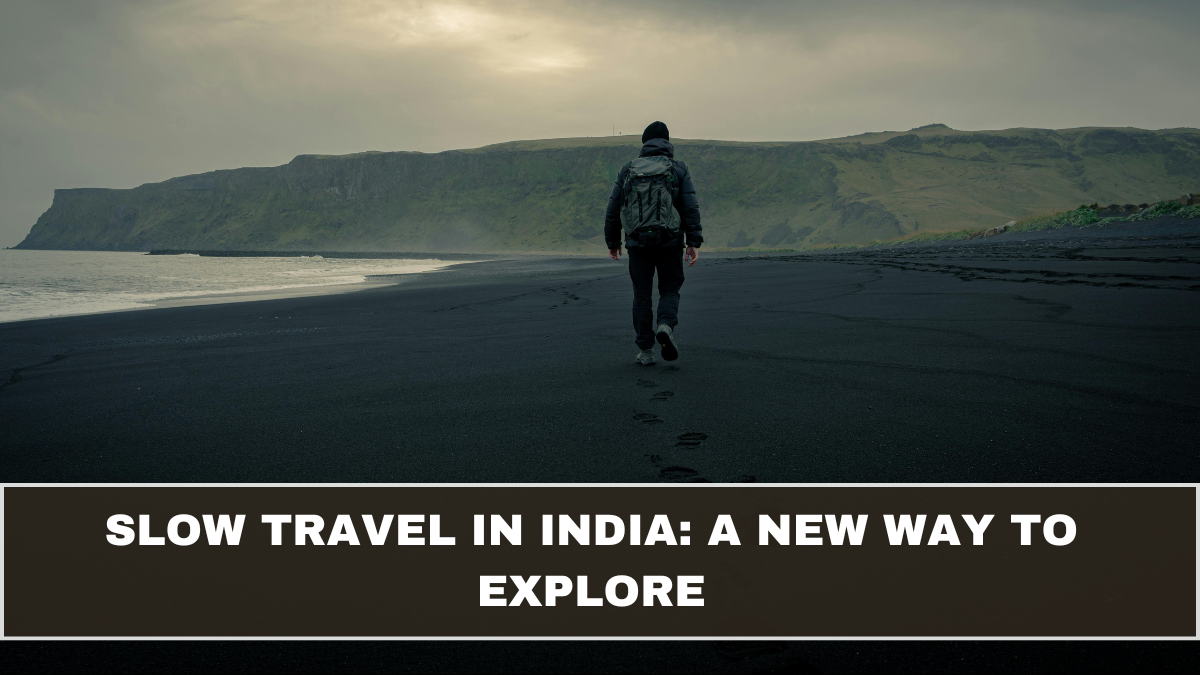
The rising interest in Slow travel India reflects a shift in how Indian tourists explore destinations. Instead of rushing through packed itineraries and checklist tourism, travelers are embracing mindful travel that focuses on deeper experiences, local connections, and relaxed pacing. This approach is reshaping travel habits across age groups and travel styles.
As more people seek balance, meaning, and authentic memories, Slow travel India is becoming a preferred way to explore both familiar and offbeat places.
What Is Slow Travel?
Slow travel is about spending more time in fewer places. It prioritizes quality over quantity, encouraging travelers to immerse themselves in local culture rather than rushing between attractions.
In the context of Slow travel India, this means:
• Staying longer in one destination
• Engaging with local communities
• Choosing local transport
• Supporting regional businesses
• Traveling at a relaxed pace
This approach aligns naturally with India’s diverse cultural landscape.
Why Indian Tourists Are Choosing Slow Travel
Several lifestyle changes are driving the popularity of Slow travel India.
Key reasons include:
• Travel burnout from rushed trips
• Desire for meaningful experiences
• Increased awareness of mental well-being
• Flexible work arrangements
• Interest in sustainable tourism
These factors have encouraged travelers to adopt mindful travel habits.
Slow Travel vs Fast-Paced Tourism
Traditional tourism often focuses on covering as many spots as possible in limited time. Slow travel offers a contrasting philosophy.
Key differences include:
• Fewer destinations, deeper experiences
• Longer stays
• Reduced travel stress
• Better cultural understanding
• More personal fulfillment
This is why Slow travel India appeals to modern travelers.
Popular Slow Travel Destinations in India
India offers countless locations ideal for slow travel.
Popular offbeat places include:
• Hill towns with extended stays
• Coastal villages
• Heritage towns
• Countryside homestays
• Spiritual and wellness retreats
These destinations encourage connection rather than consumption.
Role of Homestays and Local Stays
Homestays play a vital role in Slow travel India.
Benefits include:
• Cultural immersion
• Home-cooked local meals
• Personal interactions
• Flexible schedules
• Authentic experiences
Homestays support mindful travel and local economies.
Food and Culinary Experiences
Slow travel encourages deeper exploration of local cuisine.
Travelers often:
• Eat regional dishes
• Learn local recipes
• Visit traditional markets
• Share meals with hosts
Food becomes a cultural experience rather than just sustenance.
How Slow Travel Improves Mental Well-Being
Traveling slowly reduces stress and enhances emotional balance.
Mental health benefits include:
• Reduced anxiety
• Better relaxation
• Improved presence
• Deeper satisfaction
This makes Slow travel India appealing to wellness-focused travelers.
Environmental Benefits of Slow Travel
Slow travel is also environmentally conscious.
Eco-friendly benefits include:
• Reduced carbon footprint
• Less frequent transport use
• Support for sustainable tourism
• Lower impact on destinations
This aligns with responsible mindful travel values.
Digital Nomads and Slow Travel
Remote work has expanded Slow travel India among digital nomads.
Benefits for remote workers include:
• Work-life balance
• Stable internet stays
• Affordable long-term rentals
• Community engagement
India’s affordability makes slow travel accessible.
How Indian Families Are Adopting Slow Travel
Families prefer slow travel for comfort and bonding.
Family-friendly benefits include:
• Less rushed schedules
• Child-friendly routines
• Cultural learning
• Reduced travel fatigue
This approach suits multi-generational travel.
Budget Advantages of Slow Travel
Contrary to belief, Slow travel India can be cost-effective.
Cost benefits include:
• Lower daily expenses
• Discounts on longer stays
• Reduced transport costs
• Local dining savings
Slow travel prioritizes value over luxury.
Planning a Slow Travel Trip in India
Effective planning makes slow travel enjoyable.
Key planning tips include:
• Choose one main location
• Research local experiences
• Avoid over-scheduling
• Stay flexible
• Plan rest days
These habits support mindful travel.
Challenges of Slow Travel
Some challenges include:
• Adjusting expectations
• Limited attractions in small towns
• Internet connectivity issues
However, these challenges often become part of the experience.
Why Slow Travel Fits Indian Culture
India’s traditions naturally align with slow living.
Cultural compatibility includes:
• Community-based living
• Emphasis on relationships
• Spiritual reflection
• Local storytelling
This makes Slow travel India feel authentic and natural.
Future of Slow Travel in India
Slow travel is expected to grow further.
Future trends include:
• Rise in long-stay tourism
• Growth of rural travel
• Wellness-focused trips
• Eco-conscious travel planning
Travelers are prioritizing depth over distance.
Conclusion
The growing popularity of Slow travel India highlights a shift toward mindful travel that values connection, balance, and authenticity. By spending more time in fewer places and exploring offbeat places, Indian tourists are redefining what it means to travel meaningfully. Slow travel is not about doing less—it is about experiencing more.
FAQs
What is slow travel?
It is a travel style focused on longer stays and deeper experiences.
Is slow travel suitable for India?
Yes, India’s culture and diversity make it ideal for slow travel.
Does slow travel save money?
Yes, longer stays often reduce daily costs.
Can families do slow travel?
Yes, it offers comfort and bonding opportunities.
Is slow travel sustainable?
Yes, it reduces environmental impact and supports local communities.
Click here to know more.