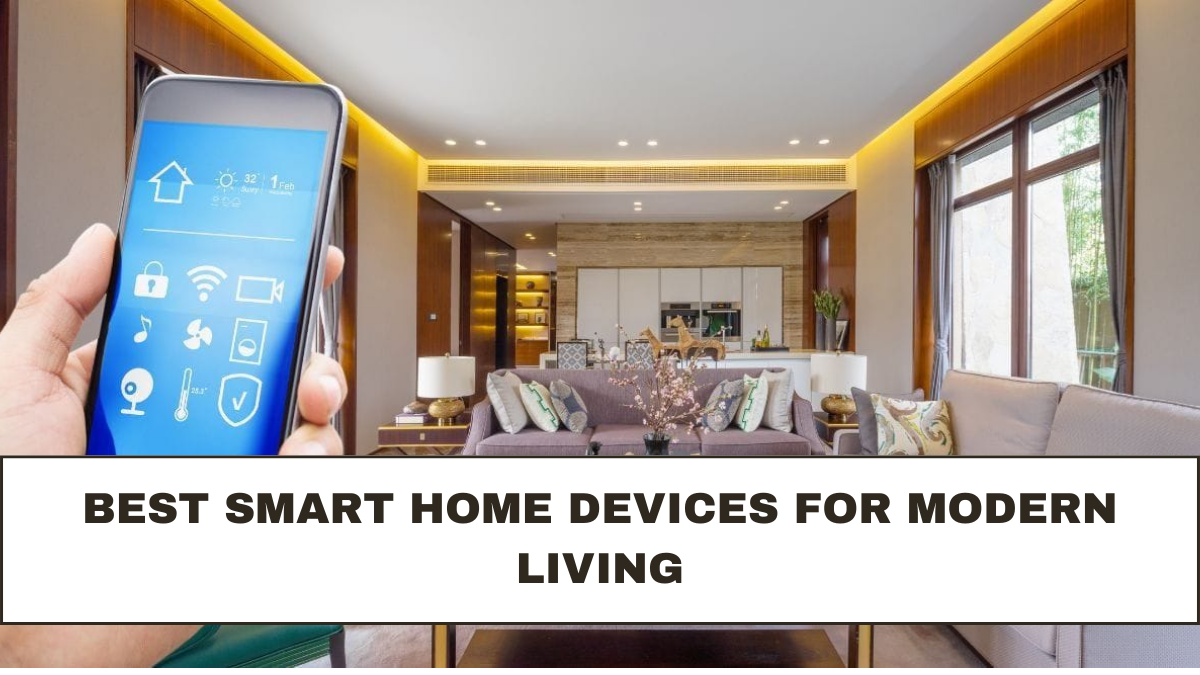
The smart home devices market in 2026 is growing rapidly, offering convenient, secure, and energy-efficient solutions for modern living spaces. With the rise of home automation and IoT integration, even small apartments can benefit from connected devices that simplify daily tasks and improve comfort.
These devices range from smart lights and thermostats to security systems and voice assistants, allowing homeowners to control and monitor their homes effortlessly.
Why Smart Home Devices Are Becoming Popular
The adoption of smart home devices is fueled by the desire for convenience, energy efficiency, and improved security. Small apartments, in particular, benefit from gadgets that save space while adding functionality.
Key reasons for popularity include:
• Centralized control through apps or voice commands
• Remote monitoring and automation
• Energy savings through smart scheduling
• Enhanced security features
• Seamless integration with other devices
Essential Smart Home Gadgets
Modern IoT devices offer a wide range of functions to enhance daily life. Popular categories include:
1. Smart Lighting:
• Voice-controlled bulbs
• Adjustable color and brightness
• Scheduling and automation
• Energy monitoring
2. Smart Thermostats:
• Temperature control via app
• Learning algorithms for energy efficiency
• Remote access for heating/cooling
3. Smart Plugs and Switches:
• Control appliances remotely
• Monitor energy usage
• Set timers for devices
4. Voice Assistants:
• Integrate with multiple smart devices
• Answer queries, set reminders, and control home gadgets
• Provide weather, news, and calendar updates
5. Security Devices:
• Smart cameras and doorbells
• Motion sensors
• Remote alerts for unusual activity
• Integration with mobile apps for real-time monitoring
Benefits of Home Automation
Home automation allows devices to interact intelligently, reducing manual intervention and improving efficiency. Key benefits include:
• Time-saving routines
• Energy-efficient operations
• Increased comfort and convenience
• Improved safety and peace of mind
• Centralized control through apps or hubs
Automation enables residents to create personalized schedules, such as turning off lights when leaving home or adjusting the thermostat when returning.
Smart Home Devices for Small Apartments
Even compact living spaces can leverage smart home devices without clutter. Space-saving solutions include:
• Multipurpose devices (e.g., smart speakers with displays)
• Wireless gadgets that don’t require extensive wiring
• Compact security cameras and sensors
• Smart lighting strips and portable plugs
These devices provide the benefits of automation without occupying too much room.
Connectivity and Integration
Most IoT devices work through Wi-Fi, Bluetooth, or Zigbee networks. Integration across multiple devices ensures seamless functionality.
Common integration features include:
• Single-app control for all devices
• Voice command compatibility
• Scheduling and scene creation
• Notifications for device status
This makes smart home devices convenient and user-friendly for daily life.
Future of Smart Home Devices
The smart home devices industry is evolving with AI-driven automation and enhanced interoperability. Future trends include:
• Predictive automation based on user habits
• Smarter energy optimization
• Enhanced security features with AI detection
• Increased compatibility with new IoT standards
These advancements aim to make homes more intelligent, efficient, and responsive to residents’ needs.
Conclusion
Smart home devices in 2026 offer practical solutions for modern living, combining convenience, safety, and efficiency. From home automation systems to individual IoT gadgets, even small apartments can benefit from a connected and intelligent environment. By choosing the right devices and integrating them effectively, residents can enjoy a seamless, smart living experience.
FAQs
What are smart home devices?
Smart home devices are gadgets that connect to the internet or each other to automate tasks, improve convenience, and enhance home security.
Can small apartments use smart home devices effectively?
Yes, compact and multipurpose devices make automation feasible even in small spaces.
Do smart home devices save energy?
Many devices, like smart thermostats and lighting systems, help reduce energy consumption through efficient automation.
How do IoT devices communicate in a smart home?
They typically use Wi-Fi, Bluetooth, or Zigbee protocols to communicate with each other and apps.
Are smart home devices easy to install?
Most modern devices are designed for easy installation, often requiring minimal wiring or technical knowledge.
Click here to know more.