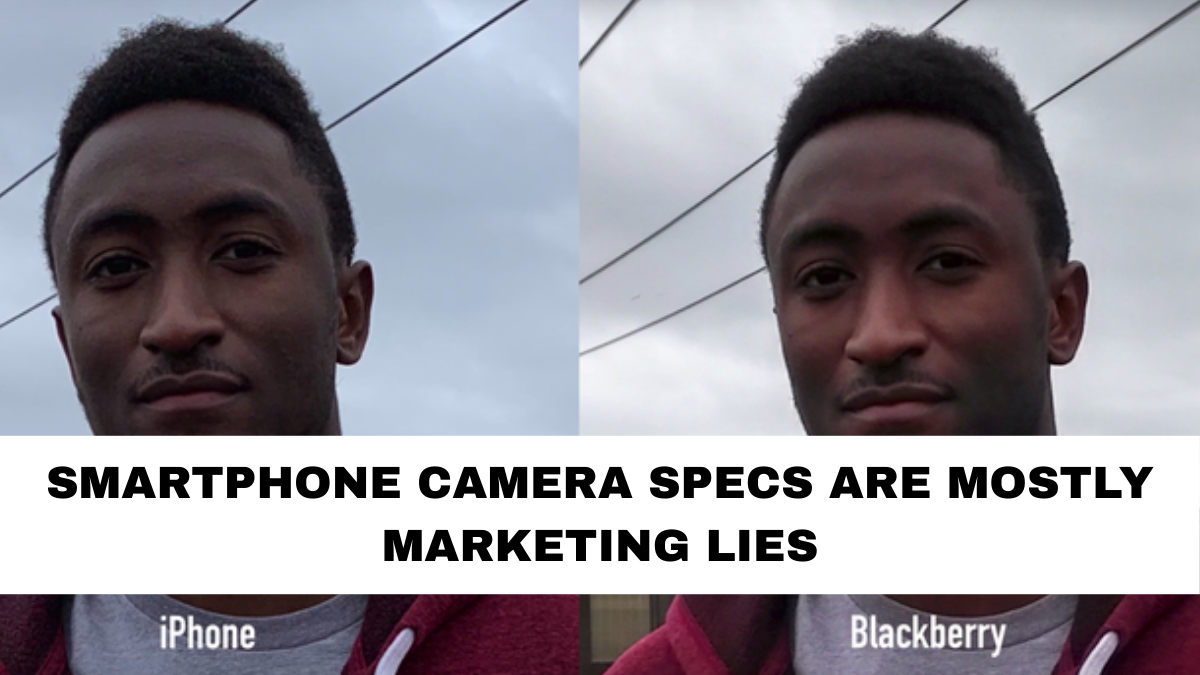
The smartphone camera marketing lie has reached absurd levels in 2026. Phones now boast 200MP sensors, “AI-powered photography,” and DSLR-level claims—but real-world photos often look worse than phones released years ago. Consumers aren’t imagining it. The gap between advertised camera specs and actual image quality has never been wider.
What brands sell on stage and what users experience in daily life are two very different realities. And once you understand how camera marketing works, the deception becomes obvious.
Why Smartphone Camera Specs Sound Incredible—but Mislead

Manufacturers highlight:
• Megapixel count
• Number of lenses
• AI buzzwords
• Zoom ranges
What they rarely explain:
• Sensor size trade-offs
• Image processing side effects
• Low-light compromises
• Real-world consistency
Specs impress in ads, not in photos.
The Megapixel Myth That Refuses to Die
Why the megapixel myth persists:
• Smaller pixels collect less light
• Aggressive pixel binning hides flaws
• Detail is lost to noise reduction
• Files look sharp but unnatural
The smartphone camera marketing lie sells resolution while sacrificing realism.
How Overprocessing Ruins Real Photos
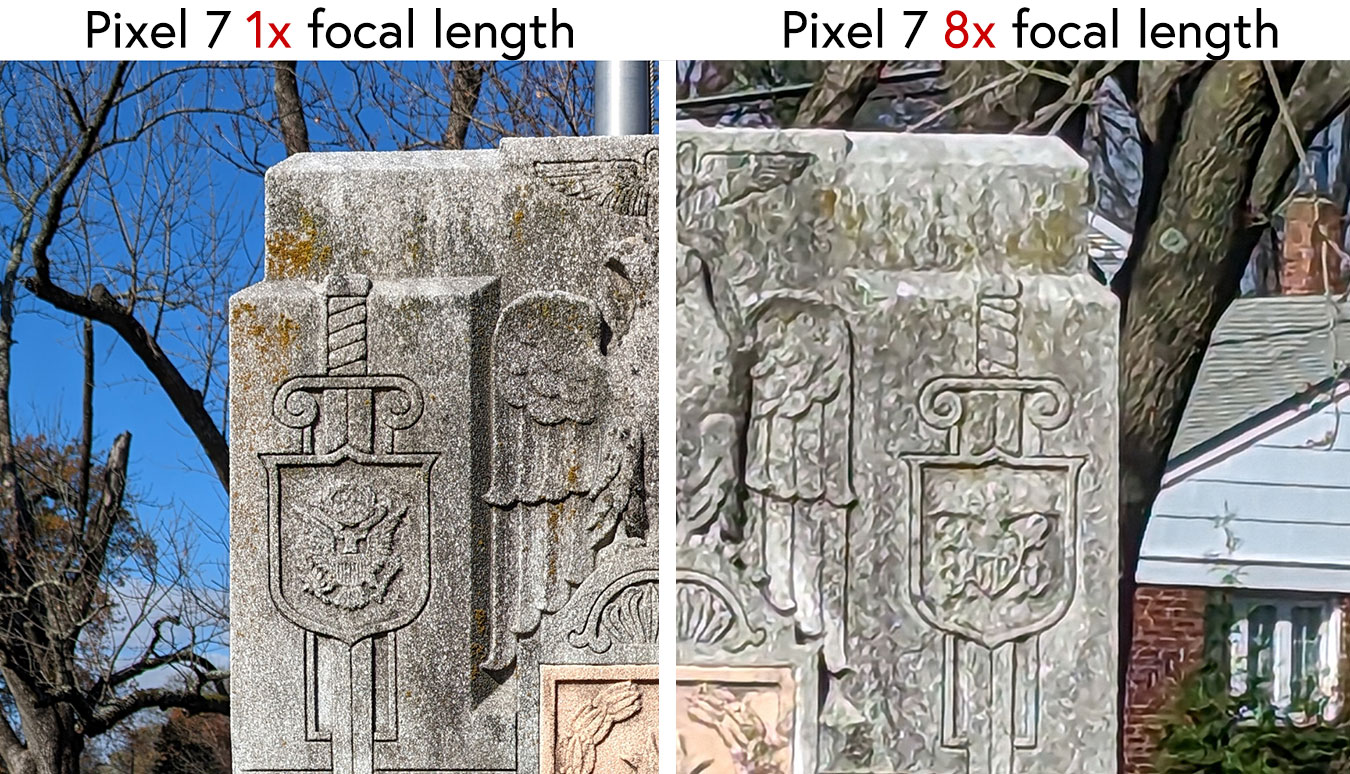
Common processing problems:
• Skin looks plastic
• Colors are oversaturated
• Shadows lose depth
• Highlights get flattened
AI tries to “fix” images but often destroys texture and mood in the process.
Why Camera Samples Online Can’t Be Trusted
Why samples mislead:
• Shot in perfect lighting
• Edited selectively
• Taken by professionals
• Cherry-picked results
Everyday users don’t shoot in labs—and the smartphone camera marketing lie depends on that gap.
The Real Factors That Matter More Than Specs
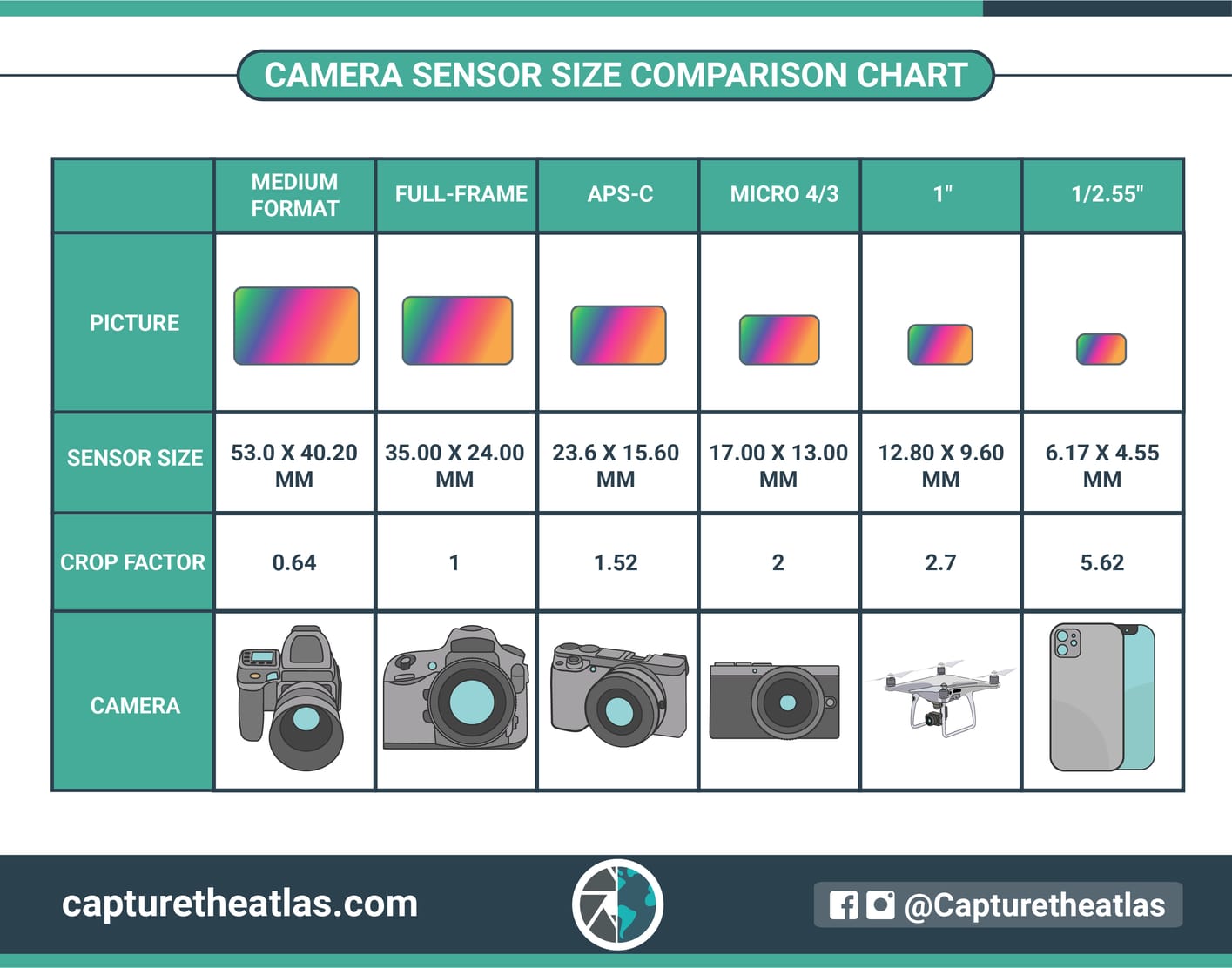
• Sensor size
• Lens clarity
• Natural color science
• Consistent exposure control
These rarely fit into flashy bullet points—so they’re buried.
Why Older Phones Sometimes Take Better Photos
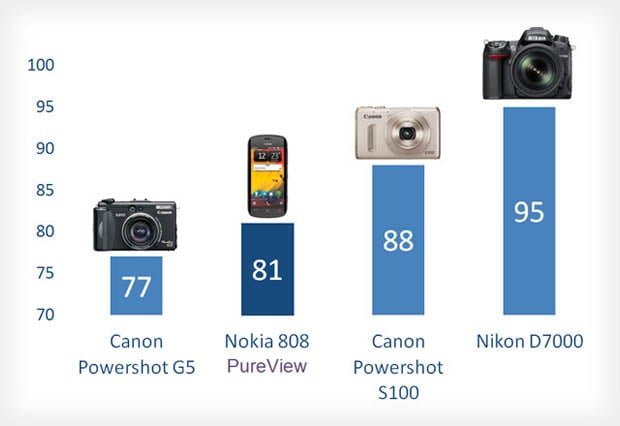
Why:
• Less aggressive AI processing
• More natural sharpening
• Better balance between noise and detail
Progress didn’t improve photography—it optimized marketing.
How Social Media Changed Camera Design (For the Worse)
Design priorities shifted toward:
• Instant punchy images
• High contrast thumbnails
• Bright colors on small screens
The smartphone camera marketing lie aligns perfectly with social media addiction—not photography quality.
What Consumers Should Actually Look For in 2026
What to check instead:
• Real-world photo comparisons
• Low-light consistency
• Video stabilization
• Skin tone accuracy
Numbers don’t matter. Results do.
Why Brands Keep Getting Away With It
As long as:
• Bigger numbers sell
• Review cycles stay short
• Buyers upgrade frequently
The smartphone camera marketing lie remains profitable.
Conclusion
Smartphone camera marketing lies because it can. Specs look impressive, AI sounds futuristic, and most buyers don’t test deeply. But real photography hasn’t improved at the same pace as the claims.
In 2026, the smartest camera decision isn’t about megapixels—it’s about realism, consistency, and restraint. Until brands sell those honestly, skepticism is your best lens.
FAQs
Are higher megapixels better for phone cameras?
No. Sensor size and processing matter far more than megapixel count.
Why do phone photos look overprocessed?
Because AI aggressively alters images for visual impact, not realism.
Can camera samples be trusted?
Only partially. They don’t reflect everyday usage.
Why do older phones sometimes feel better for photos?
They apply less processing, preserving natural detail.
How should I choose a phone camera in 2026?
By checking real-world comparisons, not spec sheets.
Click here to know more.