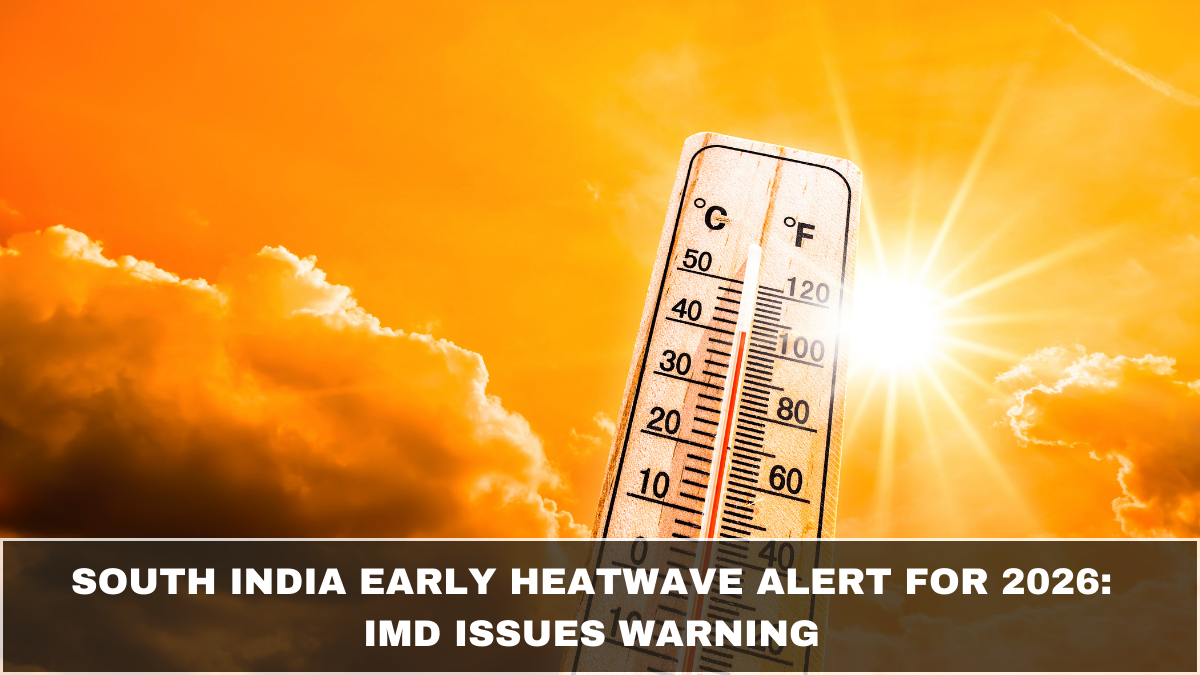
South India is bracing for an unusually early and intense heatwave as meteorologists warn of rising temperatures in early 2026. According to the India Meteorological Department (IMD), factors like delayed pre-monsoon rainfall, weak winter winds, and rising land temperatures could trigger extreme heat conditions across multiple states. Cities including Chennai, Bengaluru, Hyderabad, Kochi, and Visakhapatnam may experience prolonged periods of discomfort, while interior districts in Tamil Nadu, Karnataka, Telangana, and Andhra Pradesh are likely to be most affected. The South India heatwave 2026 alert is a proactive measure aimed at raising awareness among residents, local administrations, and healthcare authorities to minimize the impact of extreme weather.
The heatwave alert highlights the importance of early preparation for households, farmers, and urban planners alike. Rising temperatures not only affect day-to-day life but also put pressure on water resources, electricity grids, agriculture cycles, and public health infrastructure. With South India already experiencing warmer winters over the past few years, experts emphasize that early awareness can help mitigate the risks associated with heatwaves.
Why Early Heatwaves Are Becoming Common
The IMD notes that early heatwaves in South India are part of a growing trend caused by both local and global climate patterns. Sea surface temperatures in the Indian Ocean have increased in recent years, contributing to warmer air masses over peninsular India. Urbanization and the “heat island effect” in cities further amplify temperature spikes, leaving residents more vulnerable. During the South India heatwave 2026, night-time temperatures may remain high, preventing the body from recovering after hot days and increasing the risk of heat-related illnesses.
Meteorologists also point out that changing monsoon patterns have reduced pre-monsoon rainfall, which normally helps cool the land and moderate temperature extremes. With these climatic shifts, early heatwaves are likely to become more frequent, highlighting the need for adaptive strategies for both citizens and government authorities.
Regions Most Vulnerable to the 2026 Heatwave
Several areas are expected to face more severe conditions during the South India heatwave 2026. Coastal cities like Chennai and Visakhapatnam will contend with high humidity combined with elevated temperatures, creating uncomfortable “heat stress” for residents. Interior districts in Telangana, Andhra Pradesh, Karnataka, and Tamil Nadu may experience temperatures soaring beyond average seasonal highs. Rural areas with limited access to cooling systems and clean drinking water are especially vulnerable.
Farmers in the interior regions are at risk as early heatwaves can affect crop cycles, especially for water-sensitive crops like rice, sugarcane, and millets. Urban populations are also at risk due to dense housing, reduced tree cover, and prolonged sun exposure during commutes. Understanding these vulnerable areas allows local authorities to prioritize emergency response, water supply distribution, and awareness campaigns for residents.
Health Risks During the Heatwave
Heatwaves pose serious health risks if proper precautions are not taken. During the South India heatwave 2026, residents are likely to experience dehydration, heat exhaustion, heatstroke, fatigue, and in severe cases, hospitalization. Children, elderly citizens, outdoor laborers, and individuals with pre-existing conditions such as diabetes or cardiovascular issues are particularly at risk.
Common heat-related symptoms include dizziness, rapid heartbeat, excessive sweating, dry skin, headaches, and nausea. The IMD recommends keeping cool, staying hydrated, avoiding direct sun exposure during peak hours, and seeking immediate medical attention for severe symptoms. Early awareness campaigns help reduce hospitalizations and prevent avoidable fatalities during intense heat periods.
Tips to Stay Safe During the Heatwave
Practical measures can help residents stay safe and comfortable during the South India heatwave 2026. Key tips include:
-
Drink plenty of water and electrolyte-rich fluids
-
Avoid stepping out between 11 AM and 4 PM when temperatures peak
-
Wear light, breathable clothing and wide-brimmed hats
-
Use fans, air-conditioning, or cooling devices where available
-
Take cool showers or use damp cloths to reduce body heat
-
Limit strenuous outdoor activity and schedule work early morning or late evening
-
Check on vulnerable family members, neighbors, and elderly relatives
-
Follow IMD alerts and local advisories for updated heatwave warnings
By adopting these precautions, individuals can significantly reduce the health impact of extreme temperatures while also easing pressure on local healthcare systems.
Preparing for the Future
The South India heatwave 2026 underscores the need for long-term strategies to cope with rising temperatures. Urban planners are advised to increase green cover, implement water management systems, and design heat-resilient infrastructure. Farmers can adapt by selecting heat-tolerant crop varieties, adjusting planting schedules, and employing irrigation techniques that conserve water. Public awareness campaigns remain crucial in educating residents about the dangers of heatwaves and promoting preventive behavior.
The IMD continues to monitor temperature trends and update forecasts regularly. Early warnings allow residents to prepare, communities to coordinate relief measures, and authorities to implement emergency responses effectively. As India experiences a changing climate, proactive planning will play a pivotal role in minimizing the impact of extreme weather events like the South India heatwave 2026.
FAQs
When is the South India heatwave expected in early 2026?
The heatwave is predicted to begin earlier than usual, potentially in late February or March, according to IMD preliminary forecasts.
Which regions are most at risk?
Interior districts of Tamil Nadu, Karnataka, Telangana, and Andhra Pradesh are most vulnerable, along with coastal cities like Chennai and Visakhapatnam.
What health precautions should residents take?
Stay hydrated, avoid direct sun exposure during peak hours, wear breathable clothing, and monitor vulnerable family members closely.
How can farmers prepare for the heatwave?
Farmers should consider heat-tolerant crops, adjust planting schedules, use efficient irrigation techniques, and ensure water supply availability.
Why are early heatwaves becoming more common?
Rising sea-surface temperatures, weak winter winds, urbanization, and shifting monsoon patterns contribute to early and intense heat events in South India.