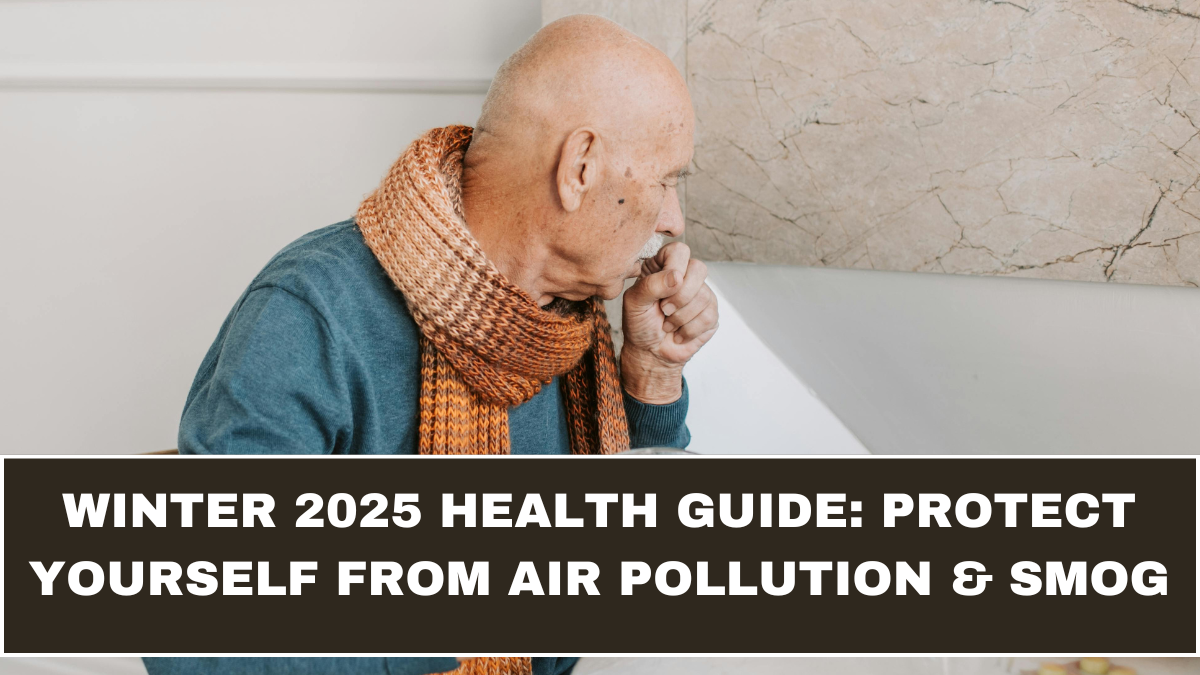
Air pollution is a growing concern in India, especially during the winter months when smog and particulate matter levels reach hazardous levels. Cities like Delhi-NCR, Lucknow, Kanpur, and Patna often report “very poor” air quality index (AQI) readings during this season. Exposure to high pollution levels can aggravate respiratory problems, cardiovascular conditions, and reduce overall immunity. For 2025, understanding the impact of winter smog and following practical health guidelines is essential for maintaining well-being.
Smog in winter forms due to a combination of factors: low temperatures, slow-moving air, burning of crop residues, increased vehicular emissions, and industrial pollution. When trapped close to the ground, particulate matter (PM2.5 and PM10) and toxic gases pose serious health risks. Awareness and preventive measures can help individuals, families, and vulnerable groups navigate this period safely.
How Winter Smog Affects Health
The pollutants in winter smog can penetrate deep into the respiratory system and bloodstream, leading to short-term and long-term health problems. Key health effects include:
-
Respiratory Issues: Cough, wheezing, shortness of breath, and aggravated asthma or bronchitis.
-
Cardiovascular Stress: Increased risk of heart attacks, blood pressure spikes, and reduced circulation.
-
Eye and Skin Irritation: Burning eyes, dry skin, and allergic reactions due to airborne chemicals.
-
Immune System Impacts: Prolonged exposure can weaken immunity, increasing susceptibility to infections.
-
Cognitive Effects: Studies suggest that high air pollution can impair concentration and cause fatigue.
Children, the elderly, and people with pre-existing health conditions are particularly vulnerable during high-smog days.
Protective Measures for Individuals
Indians can take several steps to minimize the impact of winter smog:
1. Limit Outdoor Exposure
Stay indoors during peak smog hours, usually early morning and late evening. If outdoor activity is unavoidable, try to schedule it when air quality improves.
2. Use Masks
Wear N95 or N99 masks that filter fine particulate matter when stepping outside. Regular surgical masks offer limited protection against PM2.5.
3. Maintain Indoor Air Quality
Use air purifiers with HEPA filters at home, especially in bedrooms and living spaces. Keep windows closed during high smog days, and avoid indoor activities that generate smoke or dust.
4. Hydration and Nutrition
Drink plenty of water to flush toxins from the body. Include antioxidant-rich foods such as fruits, vegetables, nuts, and seeds to support immunity and combat oxidative stress caused by pollution.
5. Respiratory Care
People with asthma or respiratory conditions should follow prescribed medications. Breathing exercises and indoor yoga can help maintain lung function.
Community and Household Measures
Beyond personal care, collective measures can help reduce exposure and improve safety:
-
Monitor AQI: Use apps or local news updates to track air quality and plan activities accordingly.
-
Reduce Indoor Pollutants: Avoid burning incense, cigarettes, or using fireplaces during high-smog days.
-
Green Spaces: Indoor plants like aloe vera, spider plant, and bamboo can help improve air quality marginally and reduce stress.
-
Support Vulnerable Groups: Ensure children, elderly, and chronic patients have safe indoor environments.
Understanding Government Guidelines
The Central Pollution Control Board (CPCB) and state authorities issue AQI alerts and provide recommendations. During “very poor” AQI days, citizens are advised to:
-
Avoid non-essential travel.
-
Prefer public transport or carpooling to reduce emissions.
-
Follow school closure or restricted outdoor activity advisories for children.
-
Stay updated with official alerts and implement preventive actions promptly.
Long-Term Strategies for Smog Reduction
While immediate precautions are essential, long-term strategies can help communities adapt and reduce risks:
-
Use Clean Fuels: Shift to cleaner cooking fuels and renewable energy sources.
-
Vehicle Management: Reduce private vehicle use and encourage electric mobility.
-
Crop Residue Management: Avoid stubble burning and adopt alternative methods for crop waste disposal.
-
Urban Planning: Expand green cover, plant trees, and enforce regulations on industrial emissions.
Awareness and adoption of these strategies can improve health outcomes and minimize winter-related pollution risks over the years.
Why Awareness Matters
Winter smog is not just a seasonal nuisance—it is a public health issue. Timely awareness, preventive measures, and community participation are crucial to protecting the population, especially vulnerable groups. By understanding pollution levels and acting responsibly, Indians can maintain health, reduce hospital visits, and support a cleaner environment.
FAQs
What is AQI and why does it matter in winter?
AQI stands for Air Quality Index, which measures the level of pollutants in the air. High AQI indicates poor air quality that can harm respiratory and cardiovascular health.
Which groups are most at risk during winter smog?
Children, elderly, pregnant women, and people with pre-existing respiratory or heart conditions are most vulnerable.
How can I improve indoor air quality during smog?
Use HEPA air purifiers, keep windows closed, avoid smoking indoors, and maintain cleanliness to reduce dust and pollutants.
Are masks effective against smog?
Yes, N95 and N99 masks filter fine particles like PM2.5, providing protection when outdoors.
What dietary habits help during winter pollution?
Stay hydrated and include antioxidant-rich foods such as fruits, vegetables, and nuts to support immunity and reduce oxidative stress.