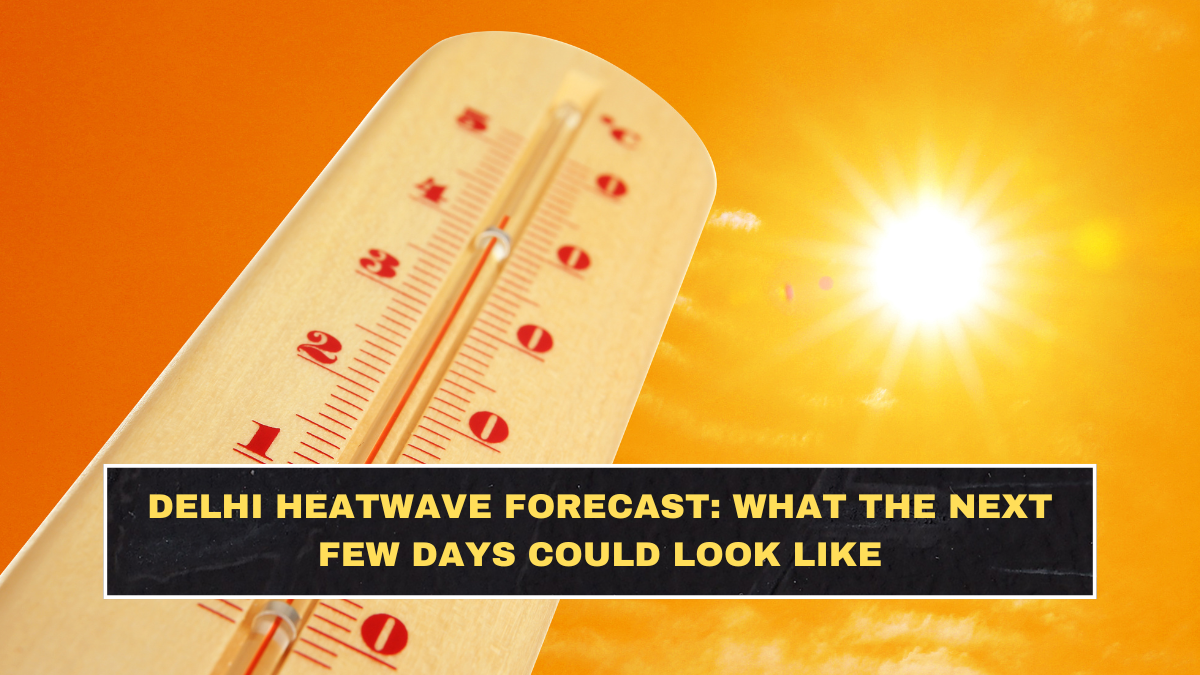
Delhi is under heatwave pressure as temperatures continue to rise in late April 2026. IMD-related updates reported a yellow heatwave alert for Delhi on Saturday, April 25, with hot and dry weather expected through the day. Delhi’s maximum temperature had touched around 41.9°C on Friday, showing that the capital is already in a dangerous summer zone.
This is not the type of heat people should casually ignore. When the temperature crosses 40°C, outdoor movement, school travel, office commuting, delivery work and traffic duty become physically stressful. The bigger issue is that Delhi’s heat is often made worse by concrete roads, traffic, pollution and low shade in many areas.
What Is The Forecast For Delhi Over The Next Few Days?
The short-term forecast suggests that Delhi may face heatwave conditions on April 25, followed by some relief chances from April 26 onward. IMD’s Delhi forecast mentioned heatwave conditions, sustained surface winds of 15–25 kmph gusting to 35 kmph, and a possibility of thundery development with very light rain toward afternoon. For April 26, the forecast included generally cloudy sky, very light rain or drizzle, thunderstorm, lightning and strong winds reaching 30–40 kmph, gusting to 50 kmph.
The important point is that “rain possible” does not mean full relief is guaranteed. Very light rain or drizzle can reduce discomfort temporarily, but it may not end heat stress completely. Delhi residents should treat the next few days as unstable weather: hot conditions first, followed by possible wind, clouds and light rain.
| Date / Period | Forecast Signal | What It Means For Delhi |
|---|---|---|
| April 25 | Heatwave conditions likely | Avoid peak afternoon exposure |
| April 25 daytime | Winds 15–25 kmph, gusting to 35 kmph | Hot winds can increase discomfort |
| April 25 afternoon | Thundery development possible | Slight local relief possible |
| April 26 | Cloudy sky, drizzle, thunderstorm possible | Better relief chances than April 25 |
| April 26 onward | Strong winds 30–40 kmph, gusting to 50 kmph | Dust, travel disruption and sudden weather changes possible |
| Late April | Mixed heat and storm pattern | Keep checking local forecast daily |
How Hot Can Delhi Get During This Spell?
Some weather reports said Delhi could see temperatures around 42°C to 44°C during the alert period. That range is serious because the body starts struggling faster when people are exposed to direct sunlight for long periods. Even if the official reading is near 42°C, road-level heat can feel higher for pedestrians, bikers and outdoor workers.
The mistake many people make is comparing every hot day with the hottest day of the year. That is weak thinking. A day does not need to hit 47°C to be dangerous. A 42°C day with strong sun, traffic exposure and poor hydration is enough to cause heat exhaustion.
Who Is Most At Risk In Delhi’s Heatwave?
Children, elderly people, pregnant women, people with heart or kidney problems, outdoor workers and daily commuters are the most vulnerable during a Delhi heatwave. Delivery riders, construction workers, street vendors, security guards and traffic police face longer exposure because their work does not stop just because the temperature is brutal.
People living in top-floor rooms, poorly ventilated homes or areas with water shortage also face higher risk. Heat does not affect everyone equally. Someone working in an air-conditioned office may feel uncomfortable, but someone standing at a traffic signal or construction site for hours may be facing a genuine health threat.
What Are The Early Health Warning Signs?
The early warning signs of heat stress include heavy sweating, headache, weakness, dizziness, nausea, muscle cramps, fast heartbeat and unusual tiredness. These symptoms should not be brushed aside as “normal summer weakness.” They are signals that the body is struggling to cool itself.
If symptoms appear, the person should stop activity, move to shade or a cooler room, loosen tight clothing and drink water or ORS slowly. If confusion, fainting, repeated vomiting, seizure or inability to drink safely appears, treat it as a medical emergency. Heat stroke is not something to “sleep off.”
| Symptom Level | Signs To Watch | Immediate Action |
|---|---|---|
| Mild heat stress | Thirst, sweating, tiredness | Drink water, rest in shade |
| Heat exhaustion | Dizziness, cramps, nausea, weakness | Stop activity, cool body, use ORS |
| Severe warning | Confusion, fainting, vomiting | Seek urgent medical help |
| Heat stroke risk | Very hot body, seizure, unconsciousness | Emergency care needed |
| High-risk condition | Elderly, infants, chronic illness | Monitor before symptoms worsen |
What Should Delhi Residents Do During Peak Heat?
Delhi residents should avoid unnecessary outdoor movement between late morning and late afternoon, especially between 12 pm and 4 pm. People who must travel should carry water, cover the head, wear loose cotton clothes and avoid standing in direct sunlight for long periods. Two-wheeler riders should be extra careful because helmets, traffic heat and road radiation can increase discomfort.
At home, keep curtains closed during peak sunlight, use fans or coolers where possible, and avoid heavy oily meals during the hottest hours. Families should check on elderly members and children regularly. Do not wait for someone to complain; dehydration and heat exhaustion can build quietly.
Will Rain Bring Relief To Delhi-NCR?
Rain and thunderstorms may bring some relief from April 26, but the relief may be uneven. Some areas may get wind and drizzle, while others may only see clouds or dust. NDTV Profit reported that rain and thunderstorms were expected from Sunday through the end of April, which could reduce heat temporarily.
The smarter approach is to prepare for both heat and sudden weather changes. Strong winds can create dust, reduce visibility and disrupt travel. So, while rain sounds comforting, people should not assume conditions will become pleasant immediately across all of Delhi-NCR.
What Should Schools, Offices And Employers Consider?
Schools should avoid outdoor assemblies, sports periods and unnecessary afternoon exposure during alert days. Young children often do not explain symptoms clearly, so teachers and parents need to watch for tiredness, dizziness and unusual irritability. Sending children out in peak heat for routine activity is poor judgment.
Employers should adjust outdoor work timings wherever possible. Construction sites, delivery operations and field teams need shade breaks and drinking water access. Any workplace that ignores heatwave conditions is not being “productive”; it is being careless with workers’ health.
Conclusion?
Delhi’s heatwave forecast for late April 2026 shows a difficult few days, with heatwave conditions around April 25 and possible relief through clouds, drizzle, thunderstorms and strong winds from April 26 onward. The temperature range near 42°C to 44°C is high enough to create real health risks, especially for outdoor workers and vulnerable groups.
The right response is simple: avoid peak sun, hydrate early, take symptoms seriously and do not assume light rain will solve everything. Delhi’s heat does not forgive carelessness. If people treat this like a normal summer day, they are inviting avoidable health problems.
FAQs
Is Delhi Under Heatwave Alert Today?
Yes, Delhi was placed under a yellow heatwave alert for April 25, 2026, with hot and dry conditions expected through the day. Residents should avoid unnecessary outdoor exposure during peak afternoon heat.
What Temperature Can Delhi Reach During The Heatwave?
Reports suggested Delhi could see temperatures around 42°C to 44°C during the alert period. Even temperatures around 42°C can become dangerous with direct sun exposure, dehydration and long travel.
When Can Delhi Get Relief From Heat?
Delhi may get some relief from April 26 onward through cloudy weather, very light rain, drizzle, thunderstorms and strong winds. However, relief may vary by area and may not end heat stress completely.
What Are The Main Heatwave Symptoms To Watch?
Watch for headache, dizziness, heavy sweating, nausea, cramps, weakness and fast heartbeat. Confusion, fainting, vomiting or seizure can be warning signs of heat stroke and need urgent medical attention.
Should Children Go Outside During A Heatwave?
Children should avoid outdoor play, sports and long sun exposure during peak heat hours. Schools and parents should keep children hydrated and indoors during the hottest part of the day.