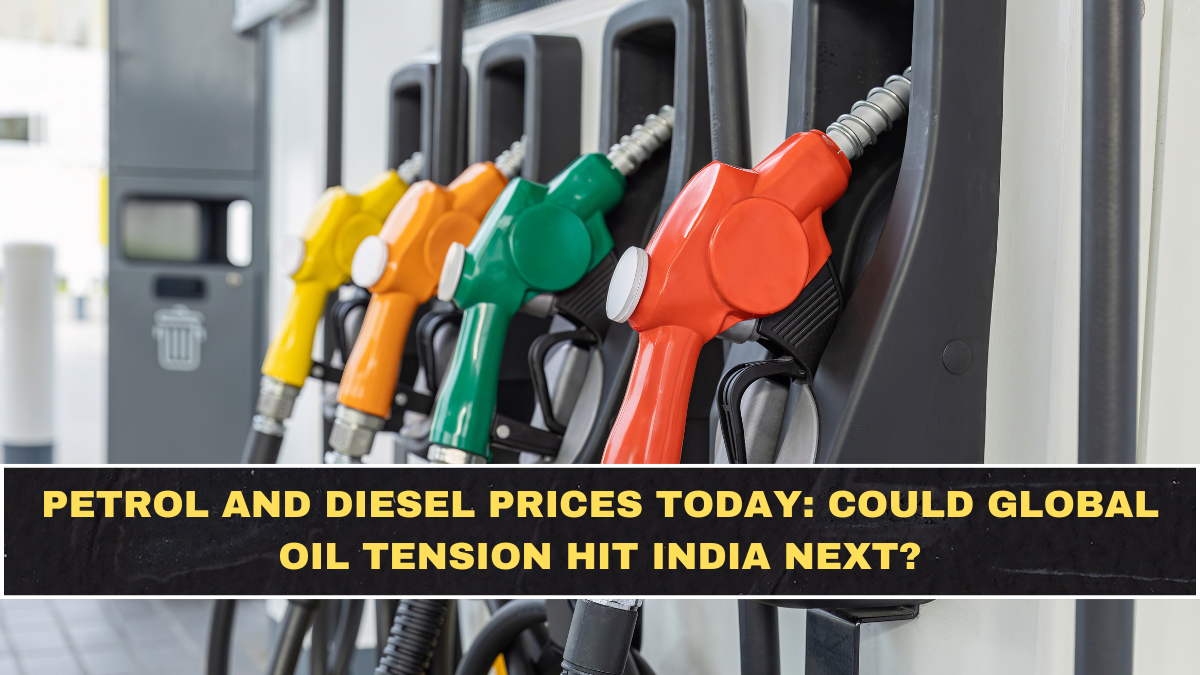
Petrol and diesel prices remained unchanged across major Indian cities on May 4, 2026, even as global crude oil markets stayed volatile. Moneycontrol reported that there was no revision in key auto fuel prices, with Delhi petrol at ₹94.77 per litre and diesel at ₹87.67 per litre. Mumbai remained costlier, with petrol around ₹103.49 per litre and diesel around ₹90.03 per litre.
This stability matters because consumers are already worried about fuel bills after sharp movement in global oil prices. India’s retail fuel prices are linked to crude oil, rupee-dollar movement, taxes, dealer commissions and oil marketing company pricing decisions. But despite global crude volatility, petrol and diesel prices have stayed largely stable in recent sessions.
What Are The Latest City-Wise Petrol Rates?
Goodreturns’ May 4 fuel price table shows that petrol remains above ₹100 per litre in several major cities, including Mumbai, Kolkata, Chennai, Bengaluru, Hyderabad, Jaipur and Thiruvananthapuram. New Delhi remains lower at ₹94.77 per litre, while Hyderabad and Thiruvananthapuram are among the higher-priced state capitals in the listed table. The difference comes mainly from state taxes, local levies and transport costs.
| City | Petrol Price Per Litre | Daily Change |
|---|---|---|
| New Delhi | ₹94.77 | 0.00 |
| Mumbai | ₹103.54 | 0.00 |
| Kolkata | ₹105.45 | +0.04 |
| Chennai | ₹100.84 | 0.00 |
| Bengaluru | ₹102.92 | 0.00 |
| Hyderabad | ₹107.46 | 0.00 |
| Jaipur | ₹104.94 | +0.32 |
| Thiruvananthapuram | ₹107.48 | 0.00 |
The table makes one thing clear: “fuel price today” is not the same across India. A person filling petrol in Delhi pays much less than someone filling petrol in Hyderabad or Thiruvananthapuram. That is why readers should always check their own city rate instead of relying only on a national headline.
Why Are Fuel Prices Stable Despite Crude Oil Pressure?
Fuel prices are stable because oil marketing companies have not revised petrol and diesel rates today, even though international crude prices have been under pressure. Moneycontrol reported that IOC, BPCL and HPCL revise prices daily based on crude oil and foreign exchange movement, but retail prices have remained steady in recent sessions. This is why consumers have not seen an immediate pump-price shock today.
However, stability does not mean pressure has disappeared. Times of India reported that government sources did not rule out a petrol and diesel price hike in the near future because oil firms are facing losses after a long freeze in retail rates. The report also said international crude prices had climbed to a four-year high of $126 per barrel before cooling slightly, while remaining above $110.
How Is The Strait Of Hormuz Linked To Indian Fuel Prices?
The Strait of Hormuz matters because it is one of the world’s most important oil shipping routes. Associated Press reported that about one-fifth of the world’s oil and natural gas trade typically passes through the Strait of Hormuz. AP also reported that Iran’s blockade had stopped much of the oil shipped from Gulf producers and knocked millions of barrels a day off the global market.
For India, this matters because the country imports a large share of its crude oil requirement. When global supply routes face disruption, crude prices rise or remain elevated, and that can create pressure on domestic fuel pricing. The direct impact may not appear instantly at petrol pumps, but the pressure builds through import costs, oil company margins and currency movement.
What Is Happening To Crude Oil Right Now?
Reuters reported that Brent crude was last at $108 per barrel on May 4, down from an intraday peak of $112. The fall came after U.S. President Donald Trump said the U.S. would move to help clear ships stuck in the Strait of Hormuz. This gave some relief to oil-importing economies, including India, but prices were still high enough to keep pressure on the market.
The rupee also matters in this story because India pays for crude oil in dollars. Reuters reported that the rupee was at 94.86 per dollar at 10:30 a.m. IST, only slightly stronger than the previous close of 94.91. Analysts cited by Reuters said pressure on the rupee may continue until energy prices cool meaningfully.
Could Petrol And Diesel Prices Rise Soon?
A future hike cannot be confirmed until oil companies or the government announce it officially. But Times of India reported that government sources said a petrol and diesel price increase in the near future was not ruled out. The same report said Indian Oil, speaking on behalf of the industry, stated that petrol, diesel and domestic LPG prices were not being increased despite the surge in international energy costs.
So the clean reading is this: prices have not increased today, but risk has not disappeared. If crude remains above $100 for a longer period and oil companies continue absorbing losses, the chance of a future fuel price revision becomes stronger. Consumers should track official OMC updates instead of reacting to social media rumours.
What Should Consumers Watch Next?
Consumers should watch three things: crude oil price, rupee-dollar movement and official fuel price announcements from oil marketing companies. If crude cools further and shipping routes improve, pressure on Indian fuel prices may reduce. If crude stays high or the Strait of Hormuz disruption continues, fuel pricing pressure can return quickly.
The biggest mistake is panic buying based on rumours. Fuel station rushes often happen when people hear unverified claims about price hikes, but today’s verified data shows no nationwide petrol or diesel revision. The smarter move is to track daily city prices and official announcements before changing household or business fuel plans.
What Is The Conclusion?
Petrol and diesel prices in India remained unchanged on May 4, 2026, with Delhi petrol at ₹94.77 per litre and diesel at ₹87.67 per litre. Mumbai petrol was around ₹103.49–₹103.54 per litre, while several cities continued to see petrol above ₹100 per litre. The real concern is not today’s pump price, but the pressure building from global crude oil volatility.
The proof-based takeaway is simple: there is no confirmed petrol or diesel price hike today, but crude oil remains expensive because of Strait of Hormuz disruption and geopolitical tension. Consumers should not believe random social media claims, but they should track oil prices closely. If global pressure continues, a future price revision cannot be ruled out.
FAQs
Did Petrol And Diesel Prices Increase Today?
No, petrol and diesel prices remained unchanged in major Indian cities on May 4, 2026. Moneycontrol reported that Delhi petrol stayed at ₹94.77 per litre and diesel at ₹87.67 per litre, while Mumbai petrol was around ₹103.49 per litre.
Why Are People Worried About Fuel Prices?
People are worried because global crude oil prices remain high due to disruption around the Strait of Hormuz. Associated Press reported that about one-fifth of global oil and natural gas trade normally passes through this route, making any disruption important for oil-importing countries.
Can Petrol And Diesel Prices Rise Soon?
A price hike has not been officially announced, but it cannot be ruled out if crude prices remain high. Times of India reported that government sources said a near-term fuel price hike was not ruled out because oil firms are facing pressure from elevated international crude prices.