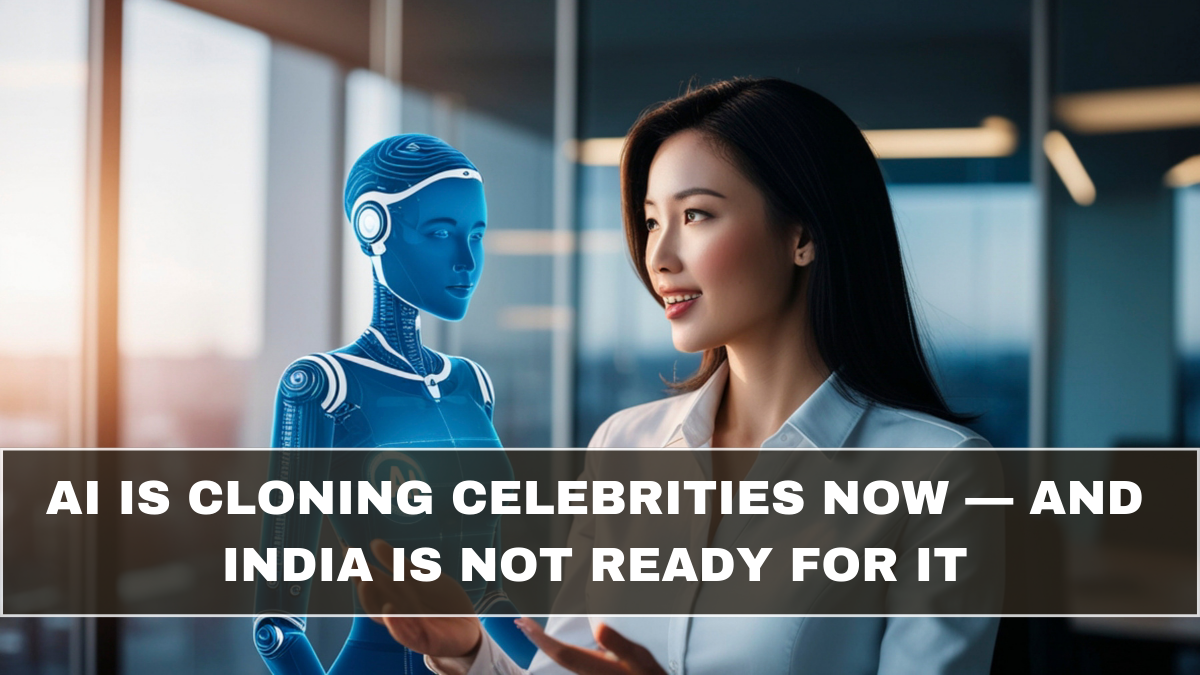
The rise of Celebrity AI clones has opened a new chapter in digital entertainment—and controversy. Using advanced artificial intelligence, realistic digital versions of celebrities can now speak, sing, act, and even endorse products without ever stepping in front of a camera. While this technology is evolving rapidly worldwide, India is facing a growing challenge in managing its legal, ethical, and cultural implications.
From viral videos to AI-generated advertisements, deepfake technology has made celebrity cloning easier than ever. But as this trend accelerates, questions around consent, misuse, and identity protection are becoming impossible to ignore.

What Are Celebrity AI Clones?
Celebrity AI clones are digital replicas created using artificial intelligence models trained on a person’s voice, facial features, expressions, and mannerisms. These clones can generate realistic videos, images, or audio that appear authentic to the human eye.
AI cloning tools rely on:
• Machine learning algorithms
• Large datasets of images and videos
• Voice synthesis technology
• Facial mapping and motion capture
• Generative AI models
When used responsibly, this technology can assist filmmaking and dubbing. When misused, it becomes a powerful tool for manipulation.
Why Celebrity AI Clones Are Spreading So Fast
India’s massive digital population and celebrity culture have created fertile ground for Celebrity AI clones. With millions of fans consuming short-form video content daily, AI-generated celebrity material spreads quickly.
Key reasons for rapid growth include:
• Easy access to AI tools
• Viral social media platforms
• Demand for novelty content
• Low cost compared to real endorsements
• Limited awareness of legal boundaries
As a result, AI-generated celebrity videos often go viral before authenticity can be questioned.
Deepfakes and the Risk of Misinformation
The most serious concern surrounding Celebrity AI clones is the rise of deepfake content. These videos can convincingly show celebrities saying or doing things they never did.
Potential dangers include:
• Fake political endorsements
• False brand promotions
• Misleading financial advice
• Defamation and reputation damage
• Emotional manipulation of audiences
In a country like India, where public figures hold immense influence, deepfakes can cause real-world consequences.
Legal Grey Areas in India
India currently lacks specific laws addressing Celebrity AI clones and deepfake misuse. Existing legal frameworks were not designed for AI-generated identities.
Legal challenges include:
• Lack of clear consent laws
• No defined ownership of digital likeness
• Difficulty proving AI manipulation
• Slow legal response to viral content
• Jurisdiction issues for online platforms
Celebrities often rely on general IT laws or personality rights, which may not fully cover AI cloning scenarios.
Ethics of Cloning a Human Identity
Beyond legality, the ethics of AI celebrity cloning raise serious moral questions. Just because technology allows cloning does not mean it should be used freely.
Ethical concerns include:
• Using a person’s face without permission
• Monetizing someone’s identity
• Posthumous AI recreations
• Manipulating public trust
• Normalizing digital impersonation
Many experts argue that Celebrity AI clones should require explicit consent, similar to image licensing.
Impact on the Entertainment Industry
The entertainment industry stands at a crossroads due to Celebrity AI clones. While AI can reduce costs and speed up production, it also threatens creative livelihoods.
Industry-level impacts include:
• Reduced need for real performances
• Risk of unauthorized endorsements
• Loss of control over celebrity image
• Legal conflicts between creators and artists
• New contract clauses for AI usage
Actors, voice artists, and performers may soon need AI-protection clauses in contracts.
How Indian Celebrities Are Responding
Some Indian celebrities have begun speaking out against Celebrity AI clones, especially when used without permission. Others are cautiously exploring licensed AI use.
Common responses include:
• Public warnings about fake videos
• Legal takedown requests
• Trademarking voice or likeness
• Exploring controlled AI licensing
• Raising awareness among fans
However, responses remain fragmented due to the absence of clear policy.
Social Media Platforms and Responsibility
Platforms play a major role in the spread of Celebrity AI clones. Despite content moderation efforts, deepfake videos often remain online long enough to cause damage.
Challenges for platforms include:
• Detecting realistic AI content
• Balancing free speech and safety
• Responding quickly to reports
• Labeling AI-generated media
• Preventing repeat uploads
Experts believe stronger detection tools and transparency labels are urgently needed.
What India Needs to Address the Problem
To manage the rise of Celebrity AI clones, India needs a multi-layered approach involving law, technology, and public awareness.
Key steps include:
• Clear AI and deepfake legislation
• Consent-based digital likeness laws
• Faster takedown mechanisms
• Mandatory AI-content labeling
• Public education on deepfakes
Without proactive regulation, misuse will continue to grow.
The Future of Celebrity AI Clones in India
AI cloning is not disappearing—it is evolving. The future of Celebrity AI clones in India depends on how responsibly the technology is governed.
Possible future directions include:
• Ethical AI licensing models
• Stronger celebrity digital rights
• AI watermarking standards
• Platform accountability
• Informed consumer awareness
The technology itself is neutral; its impact depends on how it is controlled.
Conclusion
The rise of Celebrity AI clones has exposed a critical gap in India’s digital readiness. While AI offers exciting creative possibilities, unchecked use threatens privacy, trust, and authenticity. Without clear laws, ethical standards, and platform responsibility, deepfake misuse could erode public confidence in digital media. For India, the challenge is not stopping AI—but ensuring it respects human identity, consent, and truth.
FAQs
What are celebrity AI clones?
They are AI-generated digital replicas of real celebrities’ faces or voices.
Are AI celebrity clones legal in India?
India currently has no specific law governing AI cloning.
What is a deepfake?
A deepfake is AI-generated media that falsely depicts someone saying or doing something.
Can celebrities stop AI cloning?
They can issue takedowns, but legal protection remains limited.
Why are AI clones dangerous?
They can spread misinformation, damage reputations, and manipulate public trust.
Click here to know more.