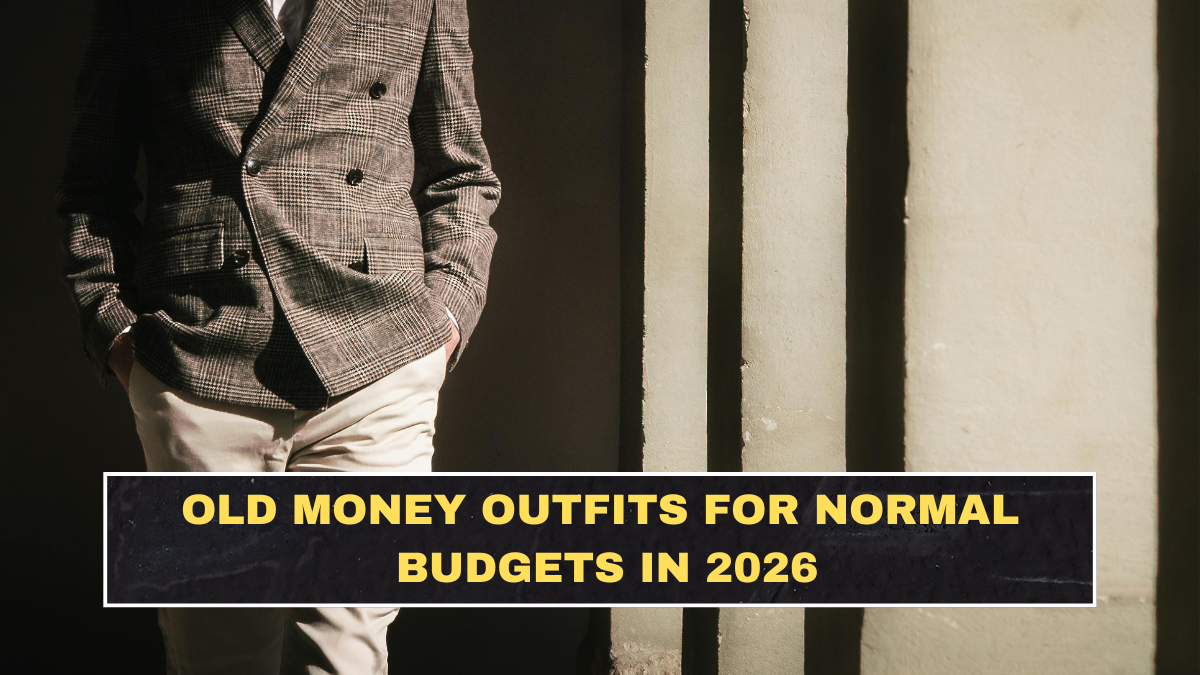
Old-money style is still popular in 2026, but most people misunderstand it badly. They think it means dressing expensive. It does not. It means dressing restrained, polished, and repetitive in a smart way. The reason this look still has traction is obvious: shoppers are more value-conscious, and fashion growth is slowing, so people are paying closer attention to durability, craftsmanship, and clothes that justify their price. McKinsey’s State of Fashion 2026 says consumer sentiment remains cautious, more than 60% of consumers planned to trade down in late 2025, and shoppers paying more are looking for value signals like craftsmanship and durability.
What does old-money style actually mean?
It means clean lines, muted colors, natural-looking fabrics, good fit, and very little visual noise. Not fake aristocrat cosplay. Not endless beige. Not giant logos pretending to look premium. Vogue’s reporting on quiet luxury and dupe culture makes the real shift clear: as luxury prices kept climbing, shoppers increasingly turned to mid-market brands like Uniqlo, Gap, Banana Republic, J.Crew, and COS to get a polished look without paying luxury prices. Vogue also noted the global personal luxury goods market lost around 50 million consumers in 2024, which helps explain why “look expensive without spending stupidly” became more attractive.
Which pieces matter most for an old-money wardrobe on a budget?
You do not need twenty items. You need a few strong anchors. InStyle’s 2026 capsule coverage and stylist commentary keep pointing to the same categories: a good cashmere or cashmere-look knit, a crisp cotton shirt, well-cut trousers or jeans, a tailored blazer or structured jacket, simple leather shoes, and one clean bag. Stylists quoted by InStyle also emphasized “fewer, better pieces” and strong foundations rather than chasing trends.
| Piece | Why it matters | Budget-smart version |
|---|---|---|
| Knit sweater | Makes simple outfits look polished | Cotton, merino, or entry-level cashmere |
| White or light blue shirt | Classic and easy to repeat | Crisp cotton poplin |
| Tailored trousers | Gives structure instantly | Straight or wide-leg neutral pair |
| Dark jeans | Cleaner than distressed denim | No rips, no loud washes |
| Blazer or jacket | Creates sharp silhouette | One versatile neutral blazer |
| Leather-look or leather shoes | Finishes the outfit | Loafers, ballet flats, or boots |
| Simple bag | Keeps the look clean | Structured tote or shoulder bag |
Why is fit more important than brand here?
Because bad fit destroys this look immediately. An expensive sweater that pulls at the shoulders or trousers that puddle badly will still look cheap. InStyle’s 2026 capsule guidance stresses tailoring, room for layering, and choosing pieces that actually suit the wearer, while stylist Erin Walsh told the outlet that elevated style is about thoughtful pieces that fit well and work hard in real life. That is the real lesson most people keep avoiding. They want a brand shortcut because proper fit takes more effort.
Which colors work best for affordable old-money outfits?
Neutrals still do the heavy lifting: navy, cream, white, camel, grey, chocolate, black, and muted olive. These colors work because they mix easily and make repeating outfits less obvious. InStyle’s 2026 capsule feature specifically described teak-toned cashmere as giving “quiet luxury,” and its wider capsule recommendations focused on versatile, mix-and-match basics. The point is not to ban color. It is to make your wardrobe easier to combine without looking chaotic.
How can someone make old-money outfits look expensive without spending too much?
By buying fewer trend pieces and more texture, structure, and repetition. Vogue’s quiet-luxury reporting says shoppers increasingly look for mid-market pieces made from better materials, especially natural fibers, as luxury prices climb. McKinsey’s 2026 report says shoppers paying more are watching quality and durability more closely. So the budget version of old-money style is not buying knockoffs. It is choosing cotton poplin instead of shiny polyester, a clean sweater instead of a slogan sweatshirt, and shoes that look simple instead of loud.
Which outfits actually work for normal life?
This is where the aesthetic either becomes useful or ridiculous. A realistic old-money-inspired wardrobe should survive errands, office days, casual lunches, and travel. A white shirt with dark jeans and loafers works. A crewneck knit with tailored trousers works. A simple black dress with a structured jacket works. A cashmere or merino sweater over straight trousers works. InStyle’s 2026 capsule recommendations repeatedly framed these pieces around repeat wear across office, weekends, and dinner, which is exactly why they fit this style better than trendy statement pieces.
What mistakes make budget old-money style look fake?
The first mistake is overdoing the costume. A cheap fake-designer bag, oversized sunglasses, and forced prep-school styling usually look like effort, not ease. The second mistake is choosing lifeless fabrics that photograph well but look poor in person. The third is buying too many pieces in the same trend instead of building a usable capsule. Vogue’s reporting on realistic aspiration is useful here: consumers are not just looking for “dupes,” they want stylish things they can actually afford and live in. That is a more honest goal than pretending to be wealthy through clothes.
How should someone build this look in 2026?
Start with one week’s worth of repeatable outfits, not a fantasy wardrobe. Buy one strong sweater, one shirt, one blazer or jacket, one dark jean, one trouser, one pair of simple shoes, and one bag. Then add carefully. McKinsey says value-conscious behavior is still shaping fashion, and InStyle’s 2026 stylists keep repeating the same advice: choose fewer, better pieces and stop letting clutter create visual noise. That is the whole game.
Conclusion?
Old-money outfits for normal budgets in 2026 work when they are built on fit, restraint, and repeatability. The look is less about money than discipline. Clean shirts, good knits, tailored bottoms, simple shoes, and a quiet color palette will always beat a closet full of noisy trend pieces. The fastest way to ruin this aesthetic is trying too hard. The smartest way to build it is to dress like someone who values quality and calm, not like someone desperate to look rich.
FAQs
Can you create old-money outfits on a normal budget?
Yes. Vogue’s reporting shows shoppers increasingly turning to mid-market brands for polished, luxury-adjacent basics as luxury prices rise.
What fabrics make outfits look more expensive?
Natural-looking fabrics usually help most, especially cotton, merino, wool blends, and cashmere when affordable. Vogue also noted shoppers are paying more attention to material makeup and natural fibers.
What colors fit old-money style best?
Navy, cream, white, grey, camel, black, and muted earth tones work best because they mix easily and keep outfits looking clean. InStyle’s 2026 capsule coverage leaned heavily on these versatile basics.
Is quiet luxury the same as old-money style?
They overlap a lot. Both focus on restraint, quality, and low-visibility branding, though “old-money style” is more of an aesthetic label and “quiet luxury” is the broader fashion conversation around it.
What is the biggest mistake with this style?
Trying to buy the image instead of building a strong wardrobe. If the fit is bad and the fabrics look cheap, the outfit will not look elevated no matter how hard you force the aesthetic.