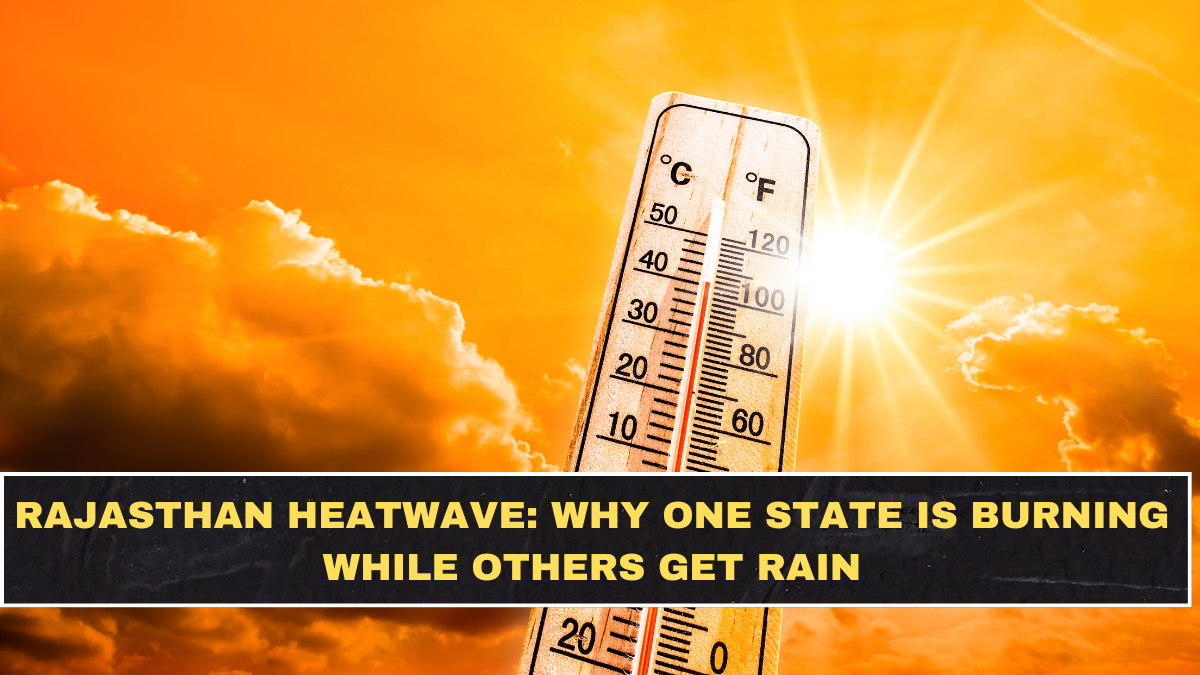
Rajasthan is facing a sharp weather split in May 2026. While many parts of India are seeing rain, thunderstorms and gusty winds, West Rajasthan has been placed under heatwave warning from May 9 onward. IMD’s Jaipur Met Centre issued its May 7 subdivision warning showing heatwave conditions for West Rajasthan on May 9, May 10, May 11, May 12 and May 13, while East Rajasthan is more exposed to thunderstorm and lightning alerts on multiple days.
This contrast is exactly why Rajasthan’s weather story is attracting attention. One part of the state may need heatstroke protection, while another may need storm and lightning precautions. That makes the situation more confusing for ordinary people, especially travellers, outdoor workers, farmers and families planning movement across districts during the second week of May.
What Has IMD Warned For Rajasthan?
IMD’s West Rajasthan warning does not show a warning for May 7 or May 8, but heatwave conditions are listed from May 9. The warning continues across multiple days, with May 11 also showing thunderstorm, lightning and squall-type activity along with heatwave risk. That combination is unpleasant because hot conditions and sudden storm activity can both disrupt outdoor life.
| Region | May 7–8 | May 9–10 | May 11 | May 12–13 |
|---|---|---|---|---|
| West Rajasthan | No warning | Heatwave | Heatwave + thunderstorm/lightning/squall | Heatwave |
| East Rajasthan | Thunderstorm/lightning | No warning | Thunderstorm/lightning | Thunderstorm/lightning |
| Main Risk | Local variation | Extreme heat | Heat plus sudden weather change | Continued heat stress |
| Public Focus | Check local alerts | Avoid peak sun | Watch heat and storm updates | Hydration and travel caution |
Why Is Rajasthan Heating While Others Get Relief?
Rajasthan’s geography makes it more vulnerable to extreme summer heat, especially in western districts where dry air, desert conditions and open land allow temperatures to rise quickly. Rain-bearing systems may bring relief to other regions, but that does not guarantee equal cooling across Rajasthan. This is why a national rain forecast can exist at the same time as a state-level heatwave alert.
Reuters reported that India is expected to see an above-average number of heatwave days in May 2026, even though the country may also receive above-average rainfall during the month. That sounds contradictory, but it is exactly how Indian summer behaves now: rainfall and heat risk can exist together, just in different regions or on different days.
Who Should Take This Most Seriously?
The highest risk is not for people sitting indoors with cooling and water access. The real danger is for construction workers, street vendors, farmers, delivery riders, traffic staff, elderly people, children and anyone travelling during afternoon hours. Heat does not need drama to become dangerous; it quietly builds dehydration, dizziness, exhaustion and heatstroke risk.
People should watch these warning signs carefully:
- Unusual tiredness, dizziness or confusion.
- Very high body temperature or dry skin.
- Heavy sweating followed by weakness.
- Headache, nausea or rapid heartbeat.
- Fainting or inability to drink water properly.
What Safety Steps Actually Matter?
NDMA’s heatwave guidance is blunt and practical: avoid going out in the sun between 12 noon and 3 pm, drink water frequently even if not thirsty, wear loose and light-coloured cotton clothes, and avoid strenuous outdoor work during high temperatures. It also advises carrying water while travelling and using protection such as umbrellas, hats and footwear when going out.
Do not act tough in a heatwave. That is not bravery; it is poor judgment. Reschedule outdoor work, keep ORS or lemon water available, check on elderly family members, avoid leaving children or pets inside parked vehicles, and move anyone showing heat illness symptoms into shade immediately. NDMA also advises giving water or rehydrating drinks only if the person is conscious, and seeking medical help if symptoms worsen.
Conclusion: Is Rajasthan’s Heatwave A Serious Warning?
Yes, Rajasthan’s heatwave warning should be taken seriously because IMD has clearly flagged West Rajasthan for multiple heatwave days from May 9 to May 13. The confusing part is that East Rajasthan has thunderstorm and lightning warnings on several days, while other states are receiving rain and storm alerts. That split does not reduce the heat risk; it makes local planning even more important.
The smart response is not panic, but preparation. Rajasthan residents should follow district-level alerts, avoid peak sun exposure, protect outdoor workers and treat heat symptoms early. The people who suffer most in heatwaves are often the ones who underestimate them, and that is the exact mistake Rajasthan cannot afford this week.
FAQs?
When Is The Rajasthan Heatwave Expected?
IMD’s May 7 warning lists heatwave conditions for West Rajasthan from May 9 to May 13, 2026. May 11 is especially notable because West Rajasthan also has thunderstorm, lightning and squall-type activity listed along with heatwave conditions. Residents should keep checking local updates because district-level conditions can change quickly.
Is East Rajasthan Also Under Heatwave Warning?
East Rajasthan is not listed under the same heatwave warning in the IMD subdivision update for May 7. Instead, East Rajasthan has thunderstorm and lightning alerts on May 7, May 8, May 11, May 12 and May 13. This shows how different the weather risk can be within the same state.
Why Is Rajasthan Hot While Other States Get Rain?
Rajasthan, especially the western part, is naturally more exposed to dry and intense summer heat. Rain or thunderstorms in other regions do not always cool the desert belt immediately. India can see rainfall activity and heatwave conditions at the same time because weather systems affect different regions differently.
What Should People Avoid During A Heatwave?
People should avoid going out between 12 noon and 3 pm, doing heavy outdoor work, wearing dark tight clothes and travelling without water. NDMA advises frequent hydration, light cotton clothing and shade during peak heat. Anyone feeling faint, confused or seriously weak should be moved to a cooler place and medical help should be sought if symptoms continue.