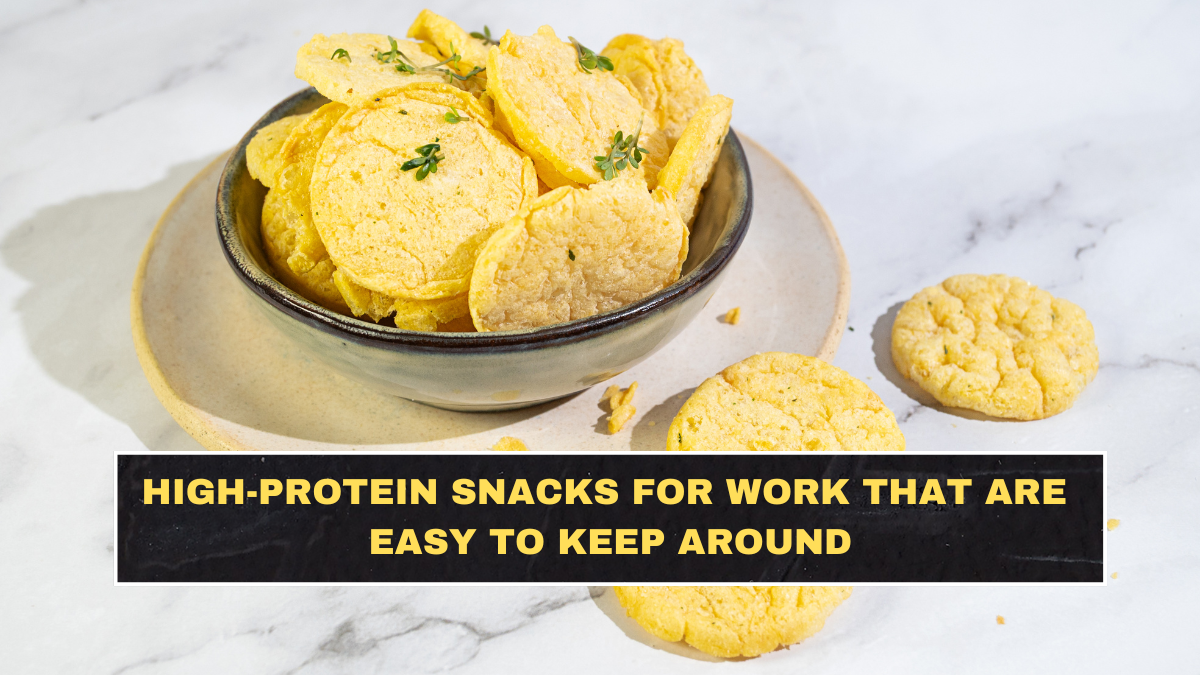
Work snacks usually fail for one simple reason: they are built for impulse, not for staying power. That is why people keep eating something at 11 a.m. and still end up hunting for more food an hour later. Higher-protein snacks keep getting attention because protein can help with fullness and make snacks feel more useful than just another sugar hit. Health experts regularly point out that protein may help you feel fuller for longer, which is one reason protein-forward snacks tend to work better during busy workdays.
Why do high-protein snacks work better at work?
Because office hunger is usually not about a full meal problem. It is a convenience problem. People grab whatever is closest, which often means chips, biscuits, or sugary bars that disappear fast. Snacks work better when they include protein, fiber, and healthy fats instead of just quick carbs. That is why protein-based options often feel more satisfying and help reduce the constant urge to keep snacking through the day.
What makes a good work snack in real life?
A good work snack has to survive your actual routine. That means it should be easy to store, easy to portion, and easy to eat without creating a mess or a strong smell that annoys everyone around you. The best choices are usually either shelf-stable items you can keep in a drawer or simple fridge staples you can grab in seconds. The smartest work snacks are practical, not fancy.
| Snack | Why it works at work | Practical note |
|---|---|---|
| Greek yogurt cup | High protein, easy to eat fast | Best if you have office fridge access |
| Cottage cheese cup | Filling and protein-rich | Better for desk lunches than meetings |
| Roasted edamame | Crunchy, shelf-stable, higher protein than many chips | Great drawer snack |
| Jerky | Portable and protein-dense | Watch sodium and added sugar |
| Nuts + fruit | Protein, fat, and fiber combo | Easy to overeat if not portioned |
| Hummus + veggies | More balanced than crackers alone | Needs fridge or lunch bag |
| Protein bar | Convenient backup option | Read the label before trusting the marketing |
Which high-protein snacks are easiest to keep in your office?
Roasted edamame, jerky, mixed nuts, seeds, and decent protein bars are the easiest shelf-stable choices. These snacks work well because they last longer, travel easily, and do not need much prep. If you have fridge access, Greek yogurt and cottage cheese become even better options because they offer more protein per serving than many snack foods marketed as healthy. That makes them more useful when you need something filling between meetings or during a long shift.
Are protein bars actually a good idea?
Sometimes. But a lot of them are just candy bars wearing gym clothes. That is the reality people avoid. A useful protein bar is one that gives meaningful protein without drowning it in sugar alcohols, syrup, or unnecessary calories that make it feel more like dessert than a snack. So protein bars are best treated as backup food, not your main strategy. They are useful when you are stuck in meetings, traveling, or do not have access to fresh options.
What snack combinations keep you fuller longer?
The better combinations usually include protein plus either fiber or healthy fat, not protein alone. That is why apple slices with peanut butter, Greek yogurt with berries, or hummus with vegetables usually work better than a plain cracker snack. The problem with many office snacks is not that they are too small. It is that they are nutritionally weak and disappear too fast. Better combinations make your snack feel more balanced and more satisfying.
Which mistakes make work snacking worse?
The first mistake is pretending healthy means automatic portion control. Nuts, nut butter packs, trail mix, and bars can all be useful, but they can also turn into mindless eating if you keep grabbing from a large container. The second mistake is choosing snacks based only on protein and ignoring sugar, sodium, or overall usefulness. Jerky can be great, but some versions are loaded with sodium. Bars can help, but some are basically desserts. The third mistake is buying snacks you do not actually enjoy. If you hate cottage cheese and keep forcing it, you are just setting yourself up to raid the vending machine later.
What are the smartest high-protein snacks to keep around?
For most people, the best mix is one refrigerated option and two shelf-stable backups. That usually looks like Greek yogurt or cottage cheese in the fridge, roasted edamame or jerky in the drawer, and one decent protein bar for emergencies. That combination gives you enough variety to avoid boredom without turning your workspace into a grocery shelf. The real goal is not to create a perfect snack plan. It is to remove bad default choices from your day.
Conclusion?
High-protein snacks for work are useful because they solve a real daily problem: convenience without constant hunger. The best options are the ones you can actually keep around, enjoy, and eat without much thought. If your current work snacks keep leaving you unsatisfied, the problem is probably not your hunger. It is the weak quality of what you keep within reach.
FAQs
What is the best high-protein snack for work?
Greek yogurt, roasted edamame, jerky, cottage cheese, and portioned nuts are some of the most practical options because they are easy to store and easy to eat during a workday.
Are protein bars healthy for office snacks?
Some are, but many are overhyped. They work best as a backup option, not as your main snack every day.
Which work snacks do not need refrigeration?
Roasted edamame, jerky, nuts, seeds, and many protein bars are easy shelf-stable options for office drawers.
How do I make snacks more filling at work?
Choose snacks that combine protein with fiber or healthy fat. That usually works better than eating quick carbs alone.
Click here to know more